Petroleum Coke Grinding & Processing Solutions
Petroleum Coke Crushing, Grinding and Classification
2026-10-25 13:35:50
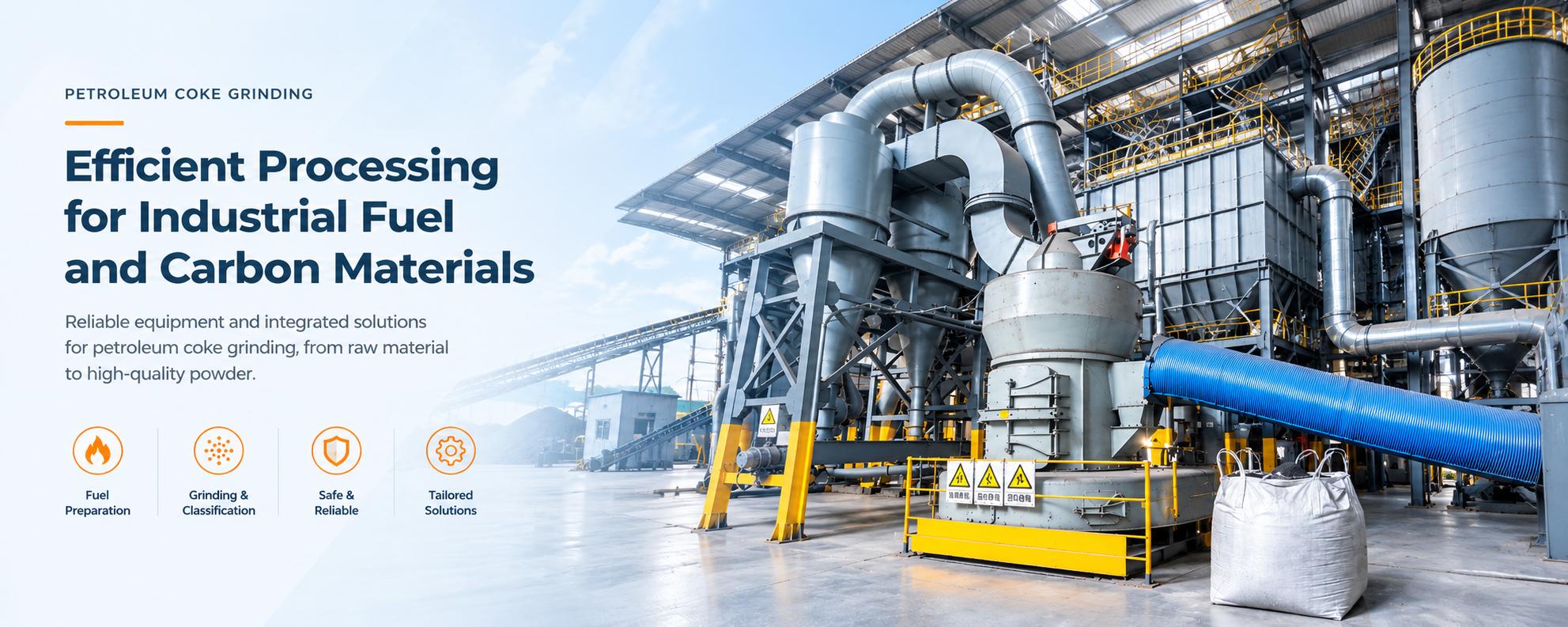
Petroleum coke processing converts irregular feed material into powder with a controlled particle-size distribution. Crushing prepares oversized pieces for the mill, grinding reduces the material to the required powder size, and classification separates acceptable fines from particles that need further grinding. These operations work together: stable feed preparation supports mill operation, while effective classification controls the finished product.
The objective is controlled powder production—not simply maximum size reduction. A suitable system must deliver the required fineness and throughput using the actual petroleum coke supply, including its moisture variation and incoming size range.
Three Operations, Three Different Jobs
| Operation | Main Function | Required Result |
|---|---|---|
| Crushing | Reduces oversized lumps before milling | Feed within the selected mill’s inlet-size specification |
| Grinding | Applies mechanical force to reduce particle size | Sufficient production of particles within the target range |
| Classification | Separates fine particles from coarse particles | Accepted powder leaves the circuit; oversize returns for further grinding |
| Collection | Separates finished powder from the conveying gas | Recovered product ready for transfer or storage |
Classification and collection should not be confused. The classifier controls which particles leave the grinding circuit as product; the collector recovers that powder from the gas stream. Liming Heavy Industry describes these as separate stages in its petroleum coke processing route.
Start with the Finished Powder Specification
Before selecting a crusher or mill, define what the downstream process needs. Fuel preparation, carbon-product manufacturing, and other applications should not automatically share the same powder specification.
A useful project specification identifies:
The intended application and whether the feed is green or calcined petroleum coke.
The required particle-size distribution or permitted sieve residue.
Any separate limit on coarse particles.
The finished-product moisture requirement.
The required hourly production rate.
The sampling point, test method, and acceptance procedure.
For example, Liming Heavy Industry describes a calcined petroleum coke application producing 200-mesh powder with an MTW European Type Grinding Mill. That is an application example, not a universal fineness requirement for every petroleum coke project.
Crushing: Prepare the Feed Without Overcomplicating the Line
Pre-crushing is needed when incoming petroleum coke contains pieces larger than the selected mill can accept. In Liming Heavy Industry’s MTW process description, large lumps are crushed before a variable-frequency feeder supplies material continuously to the mill.
The crushing duty should follow the mill’s confirmed feed requirement. Do not adopt a single maximum feed size for every machine: published MTW model data show different inlet-size limits across the range.
Questions to Resolve Before Specifying Pre-Crushing
What is the largest piece expected in normal deliveries?
How much of the feed is already below the required mill inlet size?
Does the feed contain debris or tramp metal?
Will the system process one consistent supply or several different sources?
How will crushed material be buffered and metered to the mill?
Feed preparation should also address unwanted material. Liming Heavy Industry’s solid-fuel grinding guidance calls for oversized feed to be crushed and tramp metal to be removed before milling.
Grinding: Match the Mill to the Actual Material
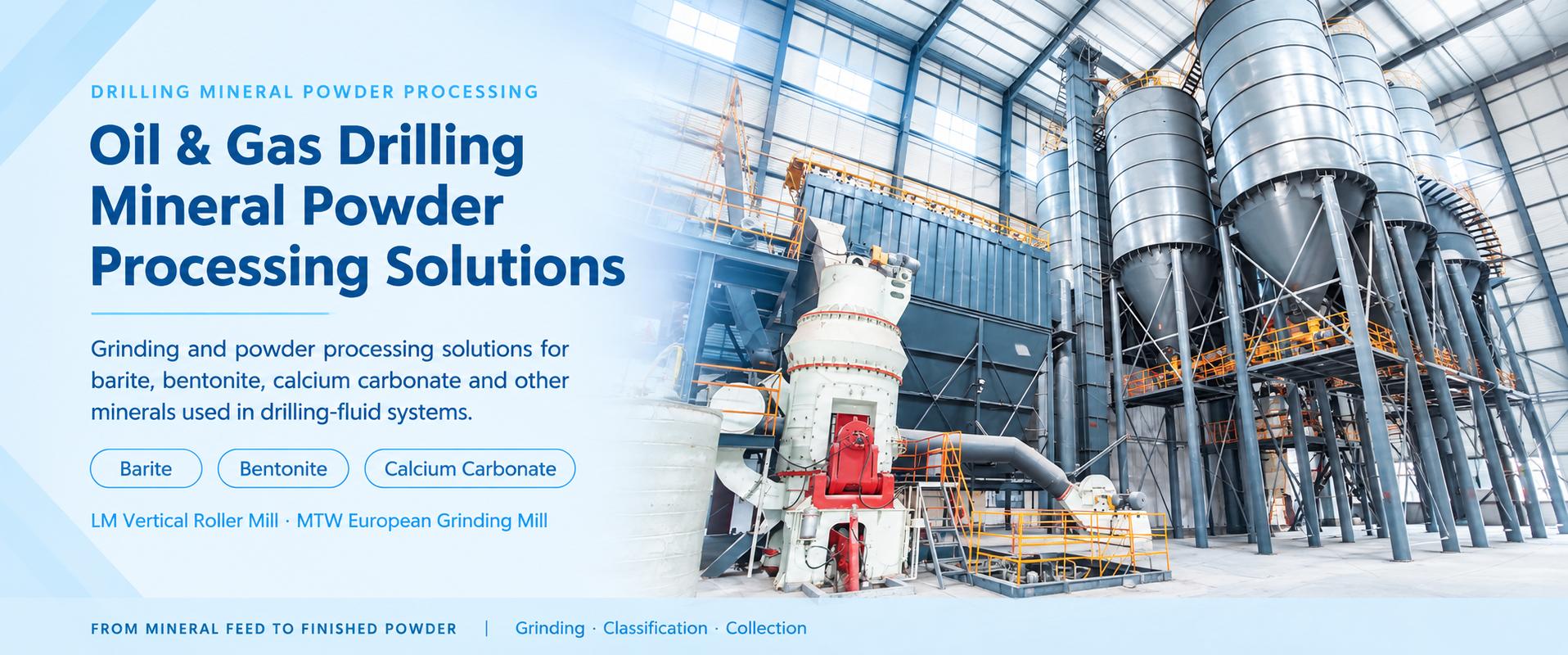
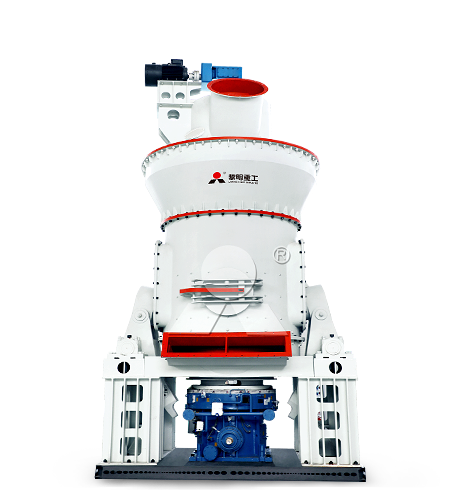
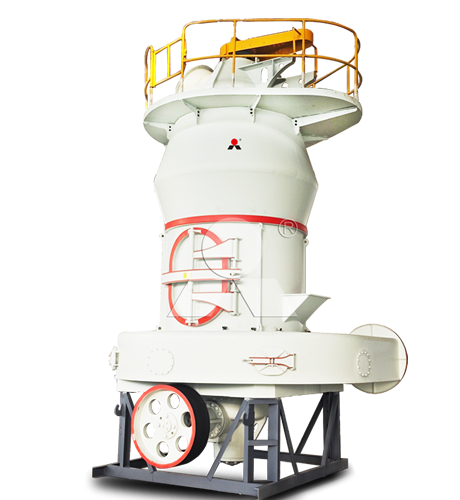
Liming Heavy Industry offers different grinding arrangements for petroleum coke. Two options for project evaluation are the LM Vertical Roller Mill configured for the relevant solid-fuel duty and the MTW European Type Grinding Mill. The choice should follow feed testing, powder requirements, and system configuration rather than a model name alone.
LM Vertical Roller Mill
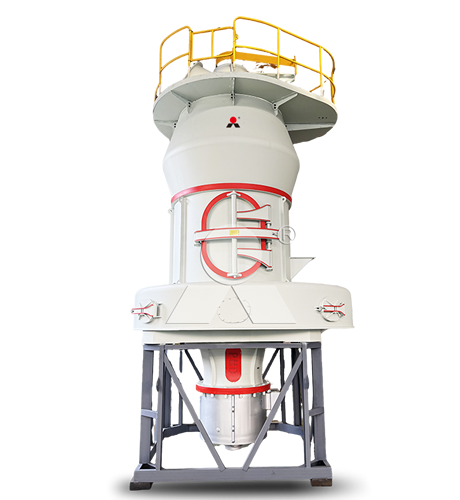
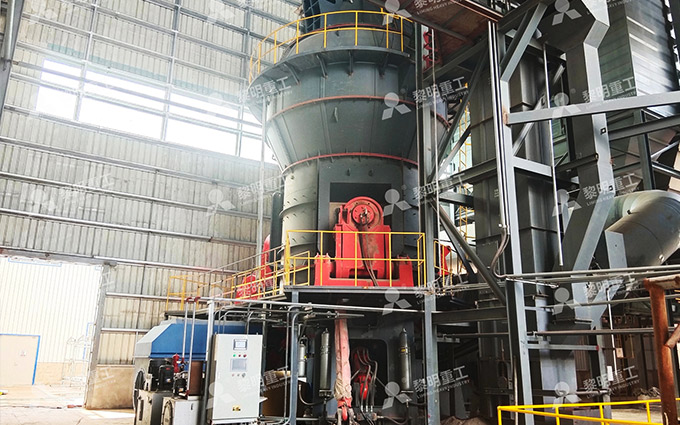
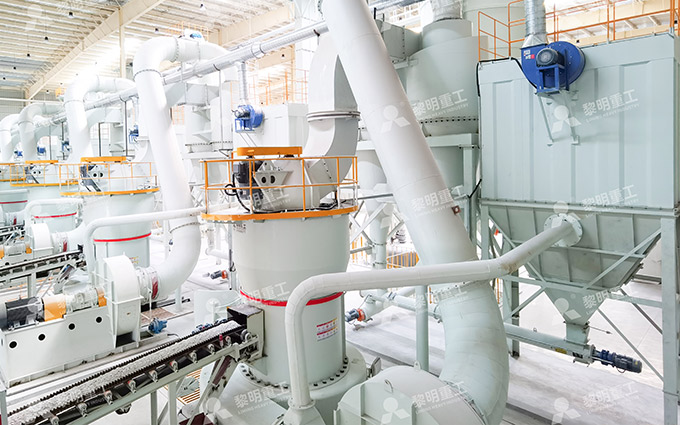
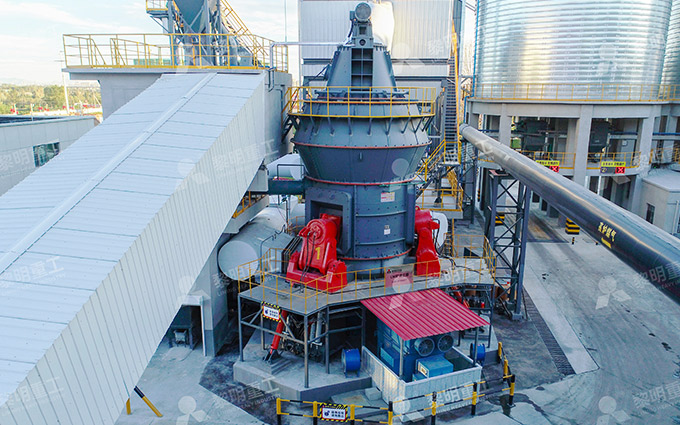
In an LM vertical roller mill, material enters the grinding table and is reduced under roller pressure. Process gas carries particles upward toward the classifier. Accepted fines leave the mill, while coarse particles return to the grinding table for another pass. Where the system is configured for drying, hot gas also removes moisture during processing.
The LM Vertical Coal Mill is identified by Liming Heavy Industry as suitable for petroleum coke as well as several coal types. Its integrated arrangement combines grinding, drying, classification, and conveying. The project configuration must still be checked against the actual material properties and operating conditions.
MTW European Type Grinding Mill
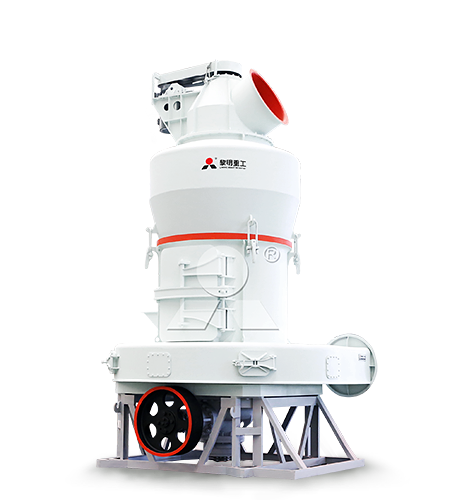
The MTW system grinds material between rollers and a grinding ring. Airflow carries the ground particles toward a separator; particles that do not meet the separation requirement return for further grinding, while accepted powder moves to collection. Liming Heavy Industry lists petroleum coke among its processing applications.
For either option, request a proposal that states the feed condition, final fineness, moisture assumptions, and production rate together. A capacity figure without those conditions is not a sufficient basis for equipment comparison.
Classification: Control the Product and the Return Load
A classifier allows a grinding circuit to separate acceptable powder from coarser material. In the LM process, coarse particles fall back onto the grinding table, while fine particles continue with the gas stream. The MTW process similarly returns rejected particles to the grinding zone.
This return path is a normal part of closed-circuit grinding. However, when product quality or capacity changes, the classifier should be assessed together with the feed, grinding conditions, and gas circuit—not treated as an isolated adjustment.
Specify Results, Not Only Classifier Settings
A classifier speed or control setting is an operating parameter, not a finished-product specification. Establish acceptance through measured powder samples taken under agreed conditions.
For quality control, distinguish between:
Sieve residue: the proportion retained above a specified sieve opening.
Particle-size distribution: the measured spread of particle sizes in the sample.
Coarse-particle limit: an additional restriction on the oversized portion.
State the measurement method explicitly so that commissioning results and routine production tests can be compared consistently.
Drying Must Be Evaluated Alongside Grinding
Liming Heavy Industry’s LM systems can combine drying and grinding, using a hot-gas circuit as part of the process. This can avoid a separate drying stage for suitable duties, but it does not mean every incoming moisture level can be handled at the same output.
Provide both normal and maximum feed moisture when requesting a system design. Also identify the available heat source and its operating range. The proposal should state the moisture conditions under which the required throughput and finished-powder quality will be achieved.
Do not copy published temperature or moisture limits into a project specification without confirmation. Those limits must be assessed for the selected equipment, actual petroleum coke, and complete system arrangement.
A Typical Petroleum Coke Powder Preparation Route
Receive and inspect the feed, including size, moisture, and unwanted material.
Crush oversized pieces where required by the selected mill.
Use intermediate storage and controlled feeding to supply the mill.
Grind the material, with integrated drying where specified.
Classify the powder and return rejected particles for further grinding.
Collect accepted powder from the gas stream.
Transfer the product to the specified storage or downstream handling system.
This sequence follows Liming Heavy Industry’s described petroleum coke processing arrangement. The exact conveying and collection equipment should be selected for the project rather than assumed identical across all installations.
Investigating Changes in Powder Quality or Output
When performance moves outside the agreed operating range, compare current conditions with the commissioning baseline before changing several settings at once. The following checks provide a practical investigation sequence; they are not a substitute for equipment-specific operating procedures.
| Observed Change | Items to Investigate |
|---|---|
| Finished powder becomes coarser | Sampling consistency, feed changes, classifier operation, grinding condition, and gas-circuit performance |
| Output falls while fineness remains acceptable | Feed moisture, incoming size, feed consistency, operating settings, and equipment condition |
| Product moisture increases | Incoming moisture, available drying heat, gas conditions, and production rate |
| Powder quality fluctuates between samples | Sampling procedure, supply variation, feeder behavior, and operating stability |
Define Acceptance for the Complete System
A petroleum coke grinding project should be accepted on more than the mill’s ability to run. Agree the test duration, representative feed conditions, sampling procedure, and measurement boundaries before commissioning.
The acceptance criteria should cover finished fineness, moisture, sustained output, and clearly defined energy consumption. Include collection, transfer, and control-system interfaces within the appropriate supplier scopes.
For a Liming Heavy Industry proposal, the strongest starting point is a representative material sample supported by a complete duty specification. This makes crushing, grinding, classification, and collection parts of one measurable production objective: delivering the required petroleum coke powder consistently at the agreed rate.