Petroleum Coke Grinding & Processing Solutions
Petroleum Coke as an Industrial Fuel
2026-10-25 13:34:44
Petroleum coke, commonly known as petcoke, is a carbon-rich refinery product used as fuel in cement plants, power plants, and other industrial facilities equipped to handle its combustion characteristics and impurities. It can provide a competitively priced source of heat, but it is not a direct replacement for coal, oil, or natural gas in every installation. Its carbon and sulfur content, preparation requirements, and environmental restrictions must be evaluated before use.
The most useful measure of fuel value is usable heat: the energy delivered to the process after accounting for preparation, combustion performance, operating costs, and compliance requirements.
Where Petroleum Coke Fits in Industrial Energy Supply
Fuel-grade petroleum coke is used mainly in cement plants and power plants. Some refineries also burn green petroleum coke in boilers to generate steam or electricity. These applications demonstrate its value as an industrial energy source, but they also highlight an important condition: the receiving plant must be designed or adapted for the fuel.
| Industrial Application | Role of Petroleum Coke | Main Evaluation Requirement |
|---|---|---|
| Cement production | Fuel for clinker production | Combustion performance, kiln chemistry, product quality, and emissions |
| Power generation | Fuel for compatible generating systems | Boiler compatibility, fuel preparation, and emissions-control capability |
| Refinery steam and electricity production | Use of refinery-produced coke as boiler fuel | Integration with the site’s fuel-handling and utility systems |
For other thermal processes, suitability should be demonstrated through a specific engineering assessment. The fact that a facility operates at high temperature does not establish that it can accept petroleum coke without changes.
Fuel-Grade Coke Is Different from Specialty Carbon Feedstock
Petroleum coke has two broad commercial roles: it can supply energy, or it can serve as feedstock for carbon products. Fuel-grade coke belongs to the first category. Specialty coke selected for aluminum or graphite-related applications belongs to a different purchasing and qualification framework.
For an industrial fuel project, specify the material needed by the combustion process rather than purchasing a higher-priced carbon grade without a demonstrated benefit. Equally, do not assume that any low-cost refinery coke will satisfy the plant’s fuel limits.
The supply agreement should identify the processing condition, required analysis, permitted variation, and delivery condition. A product name alone is not a complete fuel specification.
What to Check Before Comparing Suppliers
A useful fuel comparison starts with consistent laboratory data. Require each supplier to state the reporting basis so that moisture differences do not distort the comparison.
Heating value: identify whether the result is gross or net and whether it is reported as received or on a dry basis.
Moisture: establish the normal range and the maximum acceptable value at delivery.
Volatile matter: provide the combustion team with the information needed to assess ignition and operating suitability.
Sulfur: define a limit compatible with the process and its environmental permit.
Ash and relevant metals: identify restrictions associated with the equipment, product, or residues.
Particle size: specify the delivered feed condition and any limits on oversize material.
Supply consistency: define acceptable variation between shipments and the procedure for handling off-specification deliveries.
Carbon and sulfur deserve particular attention. Petroleum coke’s high carbon content makes it useful as fuel, while its sulfur content can restrict use to plants capable of accommodating the resulting impurities and environmental obligations.
Pulverized Firing Requires a Complete Preparation System
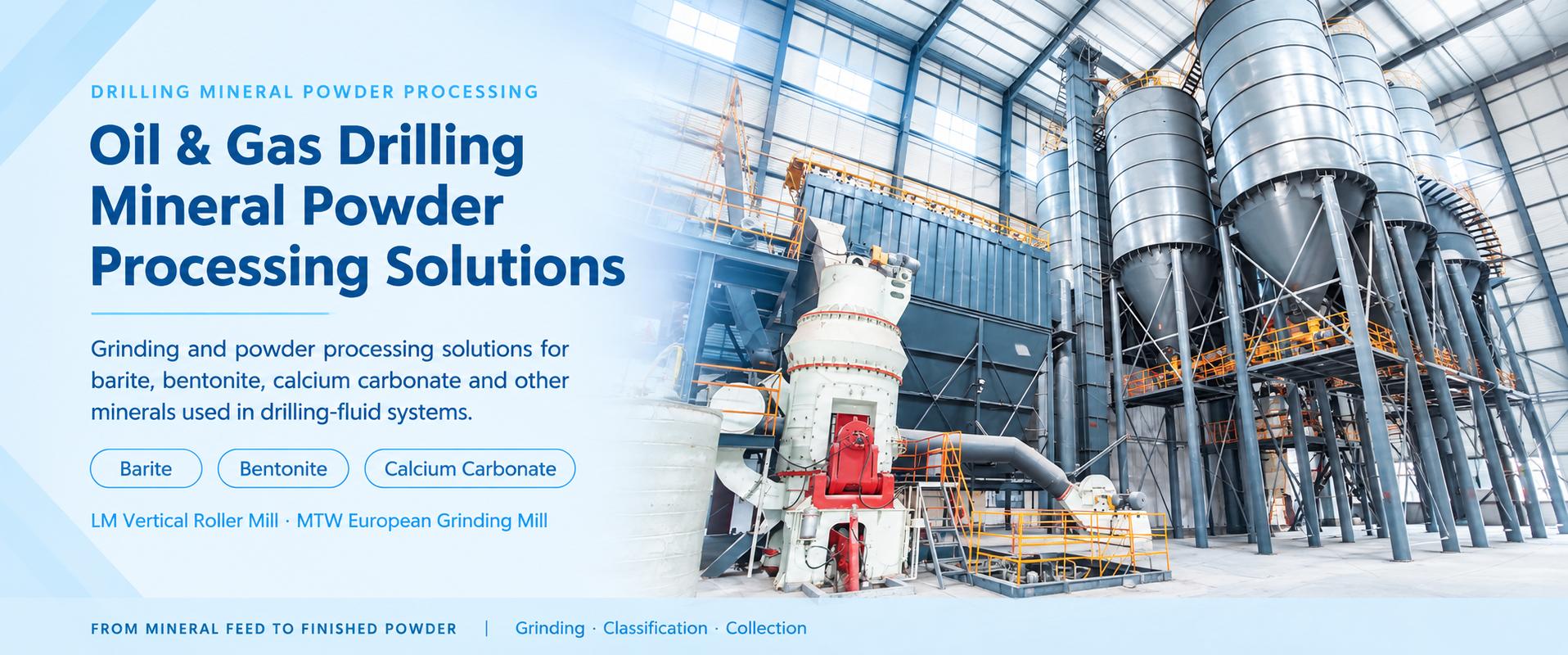
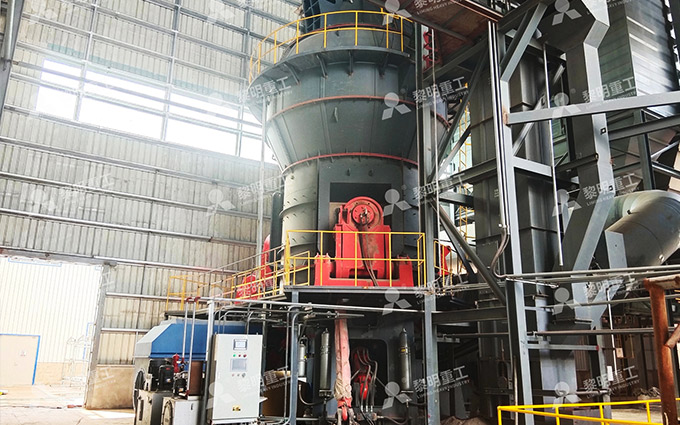
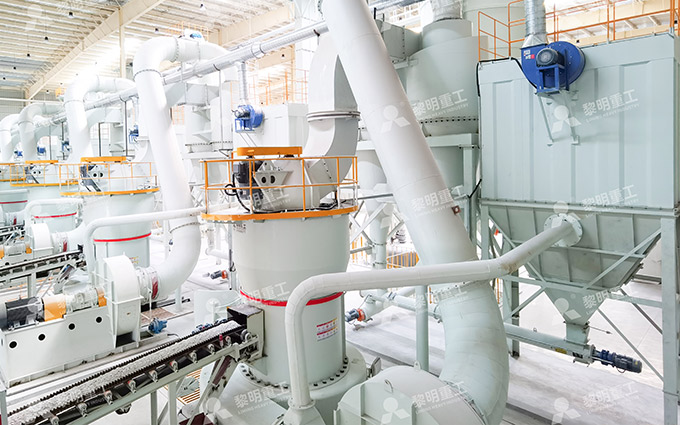
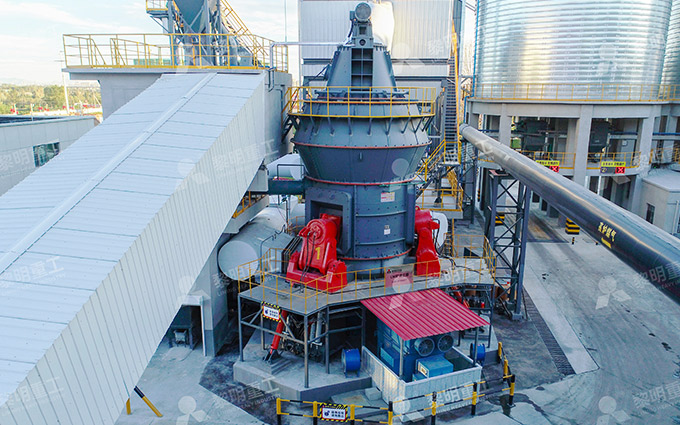
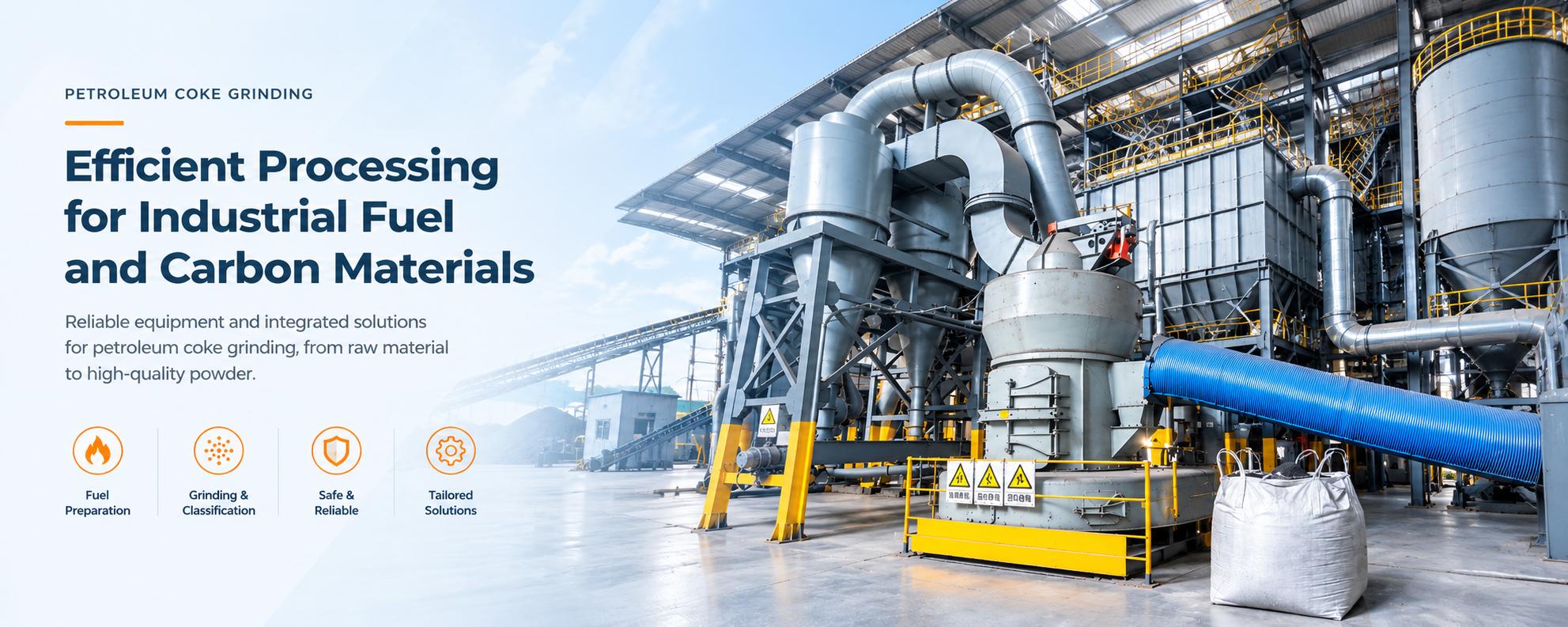
Where a combustion system requires petroleum coke powder, preparation generally involves controlled feeding, grinding, classification, and collection. Material that does not meet the required fineness returns for further grinding, while accepted powder moves to collection and storage. Liming Heavy Industry describes this processing route for petroleum coke powder production.
The preparation specification should connect the incoming material to the required fuel at the firing point. Define the finished particle-size distribution, moisture limit, throughput, and test methods before selecting equipment.
Grinding Equipment for Petroleum Coke Powder
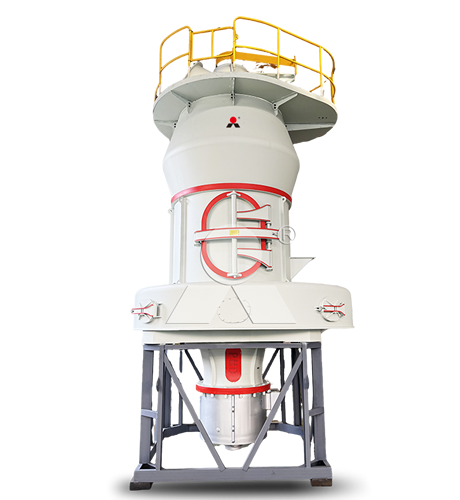
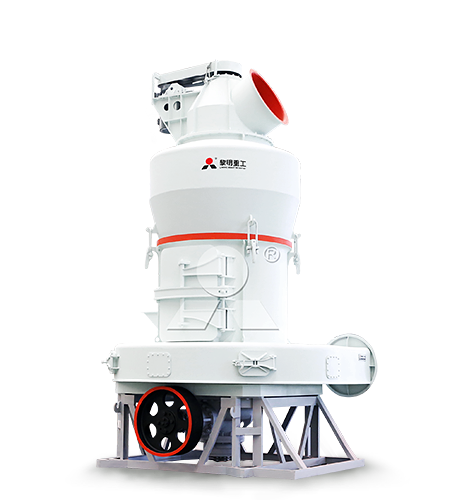
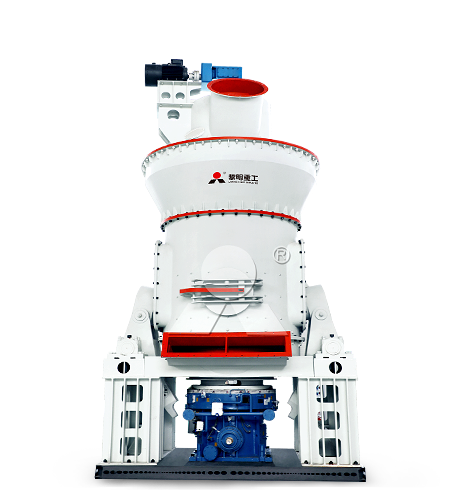
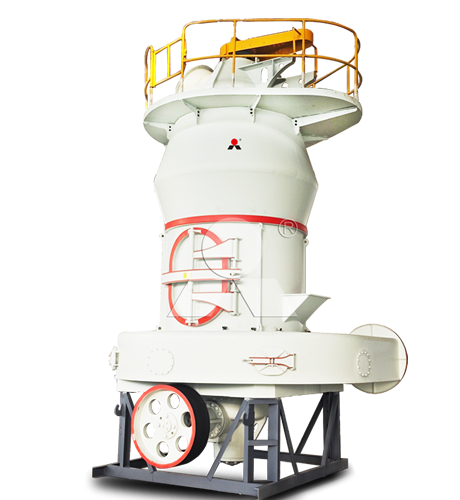
Liming Heavy Industry identifies the LM Vertical Roller Mill and MTW European Type Grinding Mill among its petroleum coke processing options. The LM design integrates drying, grinding, classification, and conveying, making it a candidate for evaluation where these duties need to be combined.
Neither mill family should be selected by name alone. The appropriate model and configuration depend on representative feed properties, required powder fineness, production rate, and site conditions. Ask for performance commitments tied to the actual material rather than general product-range figures.
Do Not Specify Unnecessary Fineness
Have the combustion-system supplier define the required powder specification. The grinding plant should meet that duty consistently; it should not pursue an arbitrarily finer product without a demonstrated process benefit.
Also distinguish mill output from fuel delivery. Powder preparation, storage, controlled metering, and delivery to the combustion equipment are separate duties that need clearly assigned responsibilities.
Environmental Suitability Is a Design Requirement
Petroleum coke should not be presented as an inherently clean fuel simply because it is a refinery by-product or has useful energy content. Its high carbon and sulfur content can create environmental restrictions, and the applicable limits vary by market and installation.
Before committing to conversion, establish a permitting and emissions assessment covering the proposed fuel analysis, consumption rate, combustion equipment, and installed controls. Do not rely on emissions factors for a different fuel without checking their applicability: refinery emissions guidance specifically notes gaps in standard emissions-factor coverage for coke.
Storage and Handling Also Affect Air Quality
Environmental management begins before combustion. Petroleum coke storage and handling can release fugitive dust, and fine airborne particles present health risks. Receiving areas, transfer points, storage arrangements, and housekeeping therefore require attention alongside stack emissions.
Include dust containment and a site-specific fire and combustible-dust assessment in the engineering scope. Have qualified specialists define the protective measures for the actual material, equipment arrangement, and applicable local requirements.
Blending Can Be Evaluated, but It Is Not an Automatic Solution
A project may consider petroleum coke as a partial replacement rather than a complete fuel conversion. In that case, define the proposed blend, the permitted range of each component, and the conditions under which the blend will be accepted.
Do not assume that a blended fuel can be characterized adequately by a single average heating value. The evaluation should also address the receiving system’s limits, preparation requirements, storage arrangements, and the consistency of the delivered mixture.
Set the operating envelope through engineering review and controlled trials rather than treating a proposed replacement percentage as a guaranteed outcome.
Compare Total Operating Cost, Not Purchase Price Alone
A lower price per ton can be attractive, but the commercial assessment should include every material change needed to use the fuel. Prepare a comparison that accounts for:
Delivered fuel cost, including transport, unloading, and storage.
Heating value and moisture on a consistent reporting basis.
Grinding electricity, drying requirements, and preparation maintenance.
Modifications to storage, metering, conveying, and combustion equipment.
Any support-fuel requirement identified during testing.
Emissions-control, monitoring, residue-handling, and compliance costs.
Measured effects on production rate, product quality, and operating availability.
Petroleum coke can be a cost-effective thermal input, but that advantage is conditional on the plant’s ability to accommodate it. The fuel-price discount should be assessed against the complete operating duty rather than considered in isolation.
A Practical Route from Fuel Sample to Investment Decision
Start with the receiving process and its acceptance limits. Obtain representative petroleum coke samples, confirm the fuel analysis, and have the combustion team define the preparation requirements. Then develop the equipment scope and test the proposed operating conditions.
For a Liming Heavy Industry grinding-system inquiry, provide the feed analysis, maximum incoming size, moisture range, required powder specification, hourly output, available drying heat, and site layout. Include any planned fuel-blending duty and identify the boundary between powder production and burner delivery.
The investment decision should follow demonstrated performance: acceptable fuel preparation, stable heat delivery, compliant operation, and a measurable cost advantage under the plant’s actual conditions.