Petroleum Coke Grinding & Processing Solutions
Petroleum Coke Processing Safety and Dust Control
2026-10-25 13:40:53
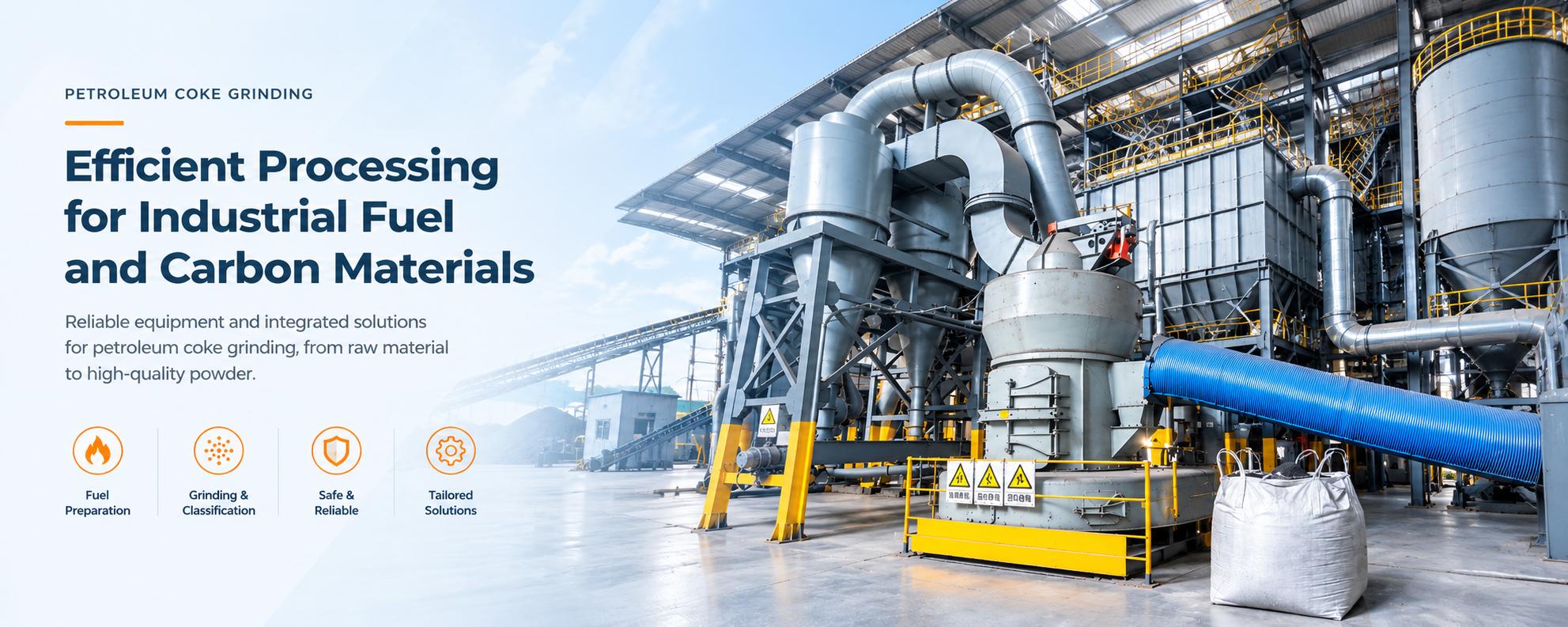
Safe petroleum coke processing requires control of airborne dust, ignition sources, equipment hazards, and the potential consequences of a fire or dust explosion. Petroleum coke is generally stable under normal conditions, but finely divided material can become combustible or explosible under certain conditions. Its behavior must be assessed for the actual material and process—not inferred from the appearance of bulk coke.
The priority is prevention: contain dust at its source, verify the hazards of representative process dust, and engineer the grinding, collection, storage, and conveying systems accordingly. Dust collection alone does not establish that a plant is safe.
Distinguish the Main Hazards
Petroleum coke facilities need to address several different risks. A measure that controls one hazard may not control another.
| Hazard | Where It Can Arise | Main Control Objective |
|---|---|---|
| Airborne dust exposure | Unloading, crushing, transfer points, leaks, sampling, and cleanup | Prevent dust release and limit worker exposure |
| Fire | Locations where combustible material encounters a credible ignition source | Control ignition and detect abnormal conditions |
| Dust explosion | Equipment or spaces containing a sufficiently concentrated combustible dust cloud | Prevent hazardous conditions and limit pressure and flame propagation |
| Secondary dust explosion | Areas where an initial event can disperse accumulated dust | Prevent hazardous deposits, including on overhead and concealed surfaces |
Fine petroleum coke dust presents a respiratory concern even when the material has relatively low intrinsic toxicity. Airborne particles small enough to enter the lungs can affect health. Fire and explosion risks require a separate assessment of combustibility, dispersion, ignition, and confinement.
Start with a Material-Specific Hazard Assessment
Obtain the current safety data sheet for each petroleum coke supply, then assess the material under the conditions created by processing. Crushing and grinding produce dust that may differ substantially from the incoming bulk material. The assessment should include deposits and collected fines, not only a sample of coarse feed.
Have qualified specialists determine the necessary laboratory testing and evaluate the complete installation. Relevant questions include:
Is the process dust combustible or explosible under the proposed conditions?
Where can dust clouds or deposits form?
Which ignition sources are credible during normal operation, startup, shutdown, and maintenance?
Can pressure or flame travel between connected equipment?
Which prevention, protection, and isolation measures are required?
Do not assume that all petroleum coke grades have identical dust properties. Protective equipment and operating limits should follow the actual hazard assessment and applicable requirements.
Control Dust Where It Is Generated
Effective dust control begins at receiving and continues through finished-powder transfer. Enclosures, properly designed extraction, maintained seals, and controlled material movement help prevent dust from entering work areas. General combustible-dust guidance emphasizes minimizing escape from both process equipment and ventilation systems.
Receiving and Stockpiles
Review unloading arrangements, exposed storage, vehicle movement, and wind conditions. Covered or enclosed storage, wind barriers, reduced drop distances, and appropriately managed suppression can reduce fugitive emissions. Petroleum coke storage guidance also addresses runoff, so dust suppression should not be designed independently of drainage and water management.
Water-based suppression may be appropriate for some bulk-handling locations, but it should not be applied indiscriminately throughout a dry powder plant. Coordinate any added moisture with the grinding and downstream process requirements.
Crushers, Feeders, and Transfer Points
Contain releases close to the source. Design access doors, chute connections, and inspection points so that routine operation does not depend on open covers or improvised seals. Inspect for dust leakage and repair the cause rather than treating repeated cleanup as the permanent solution.
Sampling and Product Discharge
Include routine sampling, loading, and maintenance access in the dust-control design. These activities should be assessed alongside continuous production rather than left outside the equipment supplier’s scope.
A Dust Collector Is Also Part of the Hazard Assessment
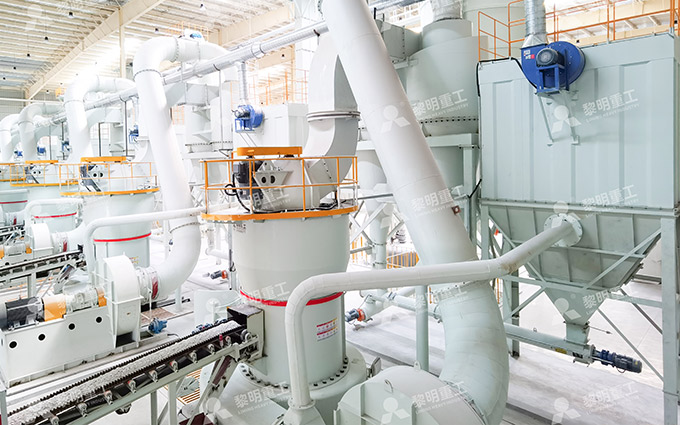
A collector concentrates fine particles inside a confined item of equipment. It therefore requires more than a filtration-efficiency specification. Combustible-dust inspection guidance identifies dust collectors and connected systems as important locations for fire and explosion assessment.
Have the design review address:
Suitability of the collector for the assessed dust and process conditions.
Location and the consequences of a potential event.
Required explosion protection and safe discharge arrangements where applicable.
Isolation of connected ducts and equipment where required.
Ignition detection or prevention measures where justified.
Inspection, maintenance, and safe dust-discharge procedures.
Explosion venting, suppression, and isolation perform different functions. Selecting one does not automatically remove the need for the others. Their applicability and design must be established for the installation by competent specialists.
Control Ignition Sources Without Relying on One Device
Combustible-dust guidance calls for control of ignition sources such as hot surfaces, mechanical sparks, electrical equipment, static electricity, and hot work. The measures should match the assessed conditions and equipment arrangement.
For a petroleum coke processing line, the review should cover equipment condition, unwanted material entering the process, electrical suitability, bonding and grounding where required, and maintenance activities. Bonding and grounding can address specific static hazards, but they do not replace the wider prevention and protection strategy.
Define approved operating limits, alarm responses, and shutdown actions in the operating procedures. Do not bypass protective interlocks to maintain production.
Housekeeping Must Avoid Creating Another Dust Cloud
Accumulated dust can become fuel for a secondary event if an initial disturbance lifts it into the air. Inspection and cleaning must therefore include beams, cable trays, pipes, ledges, and concealed areas—not just floors.
Use cleaning equipment approved for the assessed dust and location. Do not use ordinary shop vacuums or routine compressed-air blowdown as substitutes for an approved combustible-dust cleaning procedure. Cleaning methods should minimize dust dispersion and be incorporated into a written housekeeping program.
The program should identify responsibilities, inspection areas, cleaning methods, and escalation criteria. Repeated deposits at one location should trigger investigation of the release source.
Protect Workers Through Exposure Control and Training
Engineering controls should reduce airborne dust at source. Exposure assessment should then determine whether additional measures, including respiratory protection, are needed under applicable workplace requirements. Low intrinsic toxicity does not mean that breathing petroleum coke dust is acceptable.
Training should cover:
Recognition and reporting of dust leaks and abnormal conditions.
Approved cleaning and sampling practices.
Equipment isolation before maintenance.
Hot-work authorization and preparation.
Alarm responses, evacuation, and emergency communication.
Training, inspection, and maintenance are essential parts of combustible-dust prevention; protective equipment alone is not a complete safety program.
Define Safety Responsibilities in the Grinding-System Scope
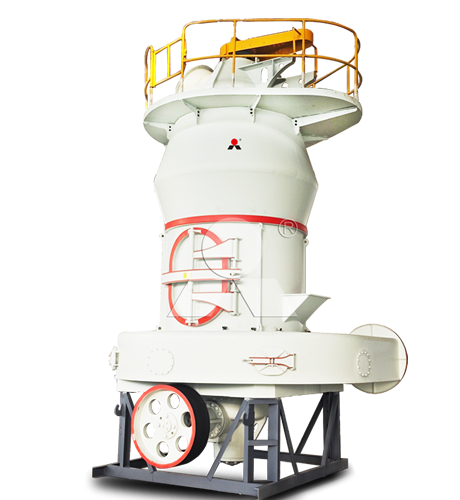
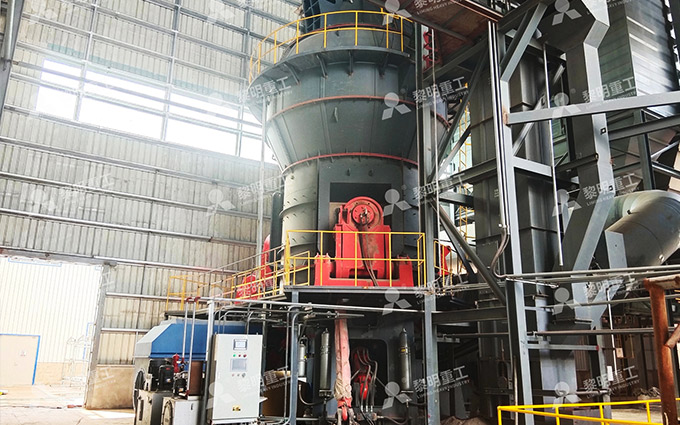
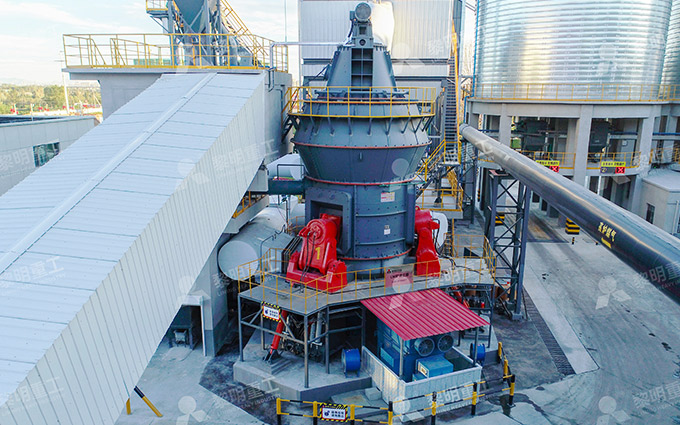
For a Liming Heavy Industry petroleum coke grinding project, request a clear responsibility matrix covering the mill, feed preparation, process-gas circuit, collector, product storage, and conveying interfaces. Identify who provides the hazard assessment, dust testing, protective-system design, controls integration, and commissioning verification.
Do not treat a general statement such as “equipped with a dust collector” as evidence that all fire, explosion, exposure, and environmental requirements have been addressed. The assessment must follow the connected process and the actual material.
Verify Readiness Before Production
Before startup, confirm that the approved safeguards are installed, protective functions have been tested under controlled procedures, access and escape routes are clear, and operators understand normal and abnormal operating actions.
Maintain the safety basis after commissioning. Changes in petroleum coke supply, powder fineness, throughput, drying conditions, collection equipment, or conveying arrangements should be reviewed before implementation because combustible-dust risk depends on material characteristics and process conditions.
A well-controlled plant does more than keep visible dust low. It contains releases, limits exposure, controls ignition, and provides the protection required for credible incidents throughout the processing line.