Petroleum Coke Grinding & Processing Solutions
How Moisture Affects Petroleum Coke Grinding
2026-10-25 13:39:38

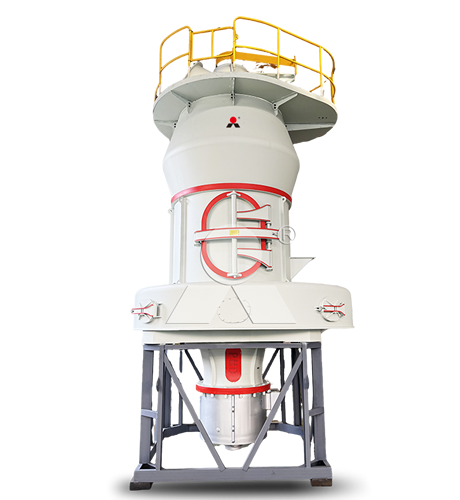
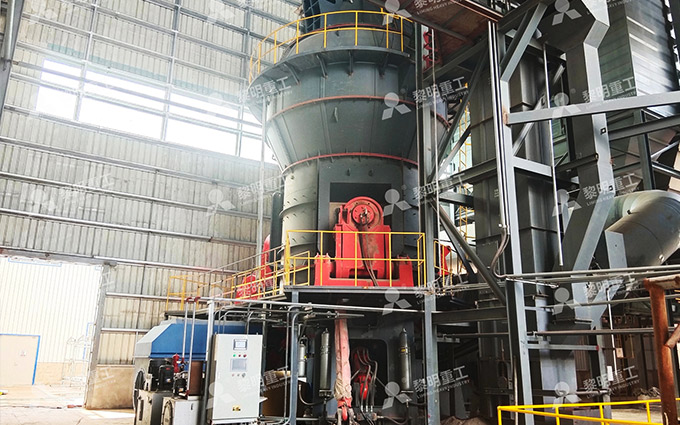
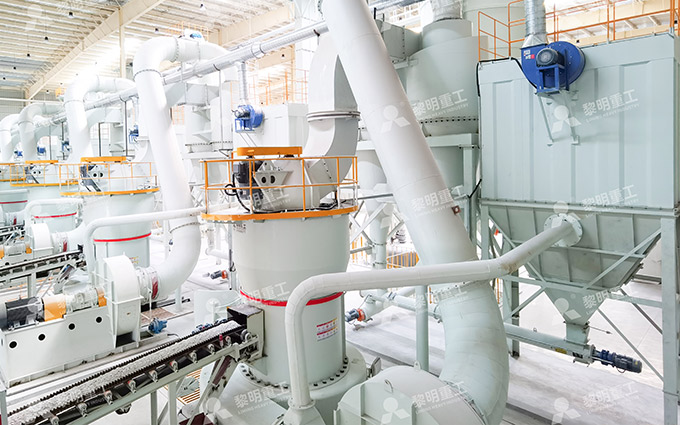
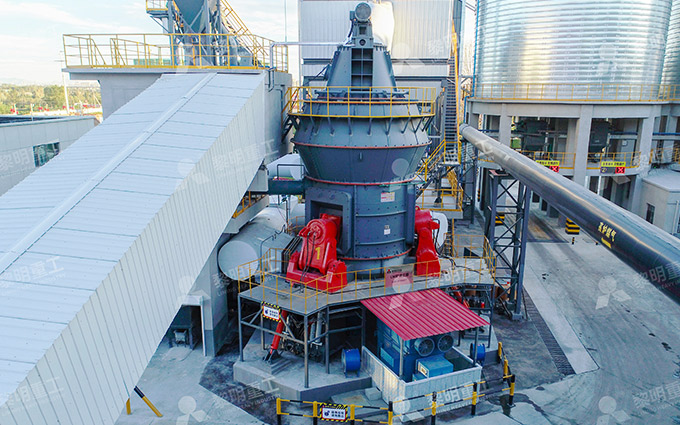
Moisture affects petroleum coke grinding by increasing the drying duty and, where wet fines become cohesive, changing how material feeds, disperses, and moves through the system. If the incoming moisture exceeds the grinding plant’s available drying capacity, maintaining both the required powder moisture and production rate becomes more difficult. Integrated grinding systems therefore use hot process gases to dry petroleum coke while it is being ground and classified.
The main challenge is variability. A system designed around one relatively dry sample may perform differently when wetter deliveries arrive. Equipment selection should account for the expected moisture range, not only an average laboratory result.
Moisture Is a Process Load, Not Just a Fuel Specification
In a drying-and-grinding system, water must be evaporated and carried out of the process. Industrial petroleum coke installations combine grinding, drying with process gases, and classification in one circuit, showing that the thermal duty is part of the milling duty rather than a separate consideration.
For project evaluation, separate two questions:
Can the mill reduce the petroleum coke to the required particle size?
Can the complete system remove enough moisture while maintaining that fineness and the required output?
A proposal should answer both. A nominal grinding capacity does not establish performance at every incoming moisture level.
What Changes When the Feed Becomes Wetter?
| Part of the Process | Potential Moisture-Related Effect | What to Investigate |
|---|---|---|
| Receiving and storage | Uneven wet areas or agglomerated material | Moisture variation across the stock and between deliveries |
| Feeding and transfer | Less consistent flow where damp fines become cohesive | Material buildup, feeder delivery, and discharge behavior |
| Drying and grinding | Higher evaporation duty | Available heat, process-gas conditions, throughput, and finished moisture |
| Classification and sampling | Agglomerates may complicate interpretation of apparent particle size | Whether the sample contains individual particles or moisture-bound clusters |
| Finished-powder handling | Clumping where residual moisture or condensation is present | Moisture uniformity, temperature changes, and storage conditions |
These are possible mechanisms, not symptoms that every wet petroleum coke supply will display. Powder-processing guidance identifies moisture bridges, uneven drying, and condensation as causes of agglomeration; the actual behavior must be checked using the material being processed.
1. More Moisture Means More Drying Duty
Simultaneous drying and grinding can simplify a petroleum coke preparation line, but its capability depends on the complete system. Hot-gas supply, gas movement, feed conditions, and the required finished product must be evaluated together. Petroleum coke grinding installations use process gases specifically to perform this drying duty.
When a wetter feed arrives, compare performance with the agreed operating basis. If the available thermal capacity is insufficient, the plant may need a revised production rate or a different drying arrangement to meet the product specification.
Do not assume that adding grinding power addresses a drying limitation. Before proposing larger milling equipment, identify whether the restriction is size reduction, moisture removal, or another part of the circuit.
2. Damp Fines Can Make Feeding Less Consistent
Moisture can form liquid bridges between particles, encouraging them to cluster. Fine powders are particularly susceptible to cohesive behavior because particle surface forces become more influential as size decreases. A stock can also contain wetter areas even when its average moisture appears acceptable.
For petroleum coke, investigate this mechanism when a change in moisture coincides with irregular feeding or buildup. Check the actual material rather than assuming that every flow problem is moisture-related.
Compare samples from different parts of the incoming stock.
Record moisture alongside feeder output and mill operating conditions.
Inspect transfer points and discharge arrangements under approved maintenance procedures.
Check whether the difficulty follows wetter batches or remains present with drier feed.
This separates a material-handling problem from a grinding limitation and reduces the risk of changing mill settings to compensate for inconsistent feed delivery.
3. Agglomeration Can Be Mistaken for Coarse Grinding
A sample containing clusters may appear coarser than a sample in which the same particles are well dispersed. Moisture-induced agglomeration therefore deserves attention when fineness results change unexpectedly. The clusters may be weak or strong, depending on the material and its handling history.
If the powder suddenly fails a fineness check, establish:
Whether sampling and laboratory preparation remained unchanged.
Whether finished moisture increased.
Whether the coarse material consists of individual particles or agglomerates.
Whether the change also appears in repeat samples taken during stable operation.
Do not automatically increase grinding intensity or alter classification before confirming what the test is measuring.
4. Condensation Can Create Problems After the Mill
Moisture-related difficulties can develop after satisfactory grinding. Powder-processing guidance identifies condensation when warm material encounters cooler air or equipment as a possible source of clumping. A product may therefore leave one stage in acceptable condition and behave differently after transfer or storage.
If buildup occurs downstream, examine the location and timing. Compare product moisture and temperature at collection, transfer, and storage, and check whether the issue follows cooling conditions or shutdown periods.
Do not use a satisfactory mill-discharge sample as the only evidence that the complete product-handling route is performing correctly.
Is There a Maximum Moisture Content for Petroleum Coke Grinding?
There is no single maximum that should be applied to every petroleum coke grinding project. Drying-and-grinding systems differ in their thermal arrangements and design conditions. Published capabilities for coal or a particular installation should not be transferred directly to another petroleum coke supply.
The useful limit is the incoming moisture at which the selected system can still meet all agreed requirements:
Required hourly output.
Finished-powder fineness.
Finished-powder moisture.
Approved operating conditions.
Collection and handling performance.
Ask the equipment supplier to state that operating envelope explicitly. If performance changes above a specified feed moisture, include the applicable conditions in the proposal and acceptance agreement.
Integrated Drying or Separate Pre-Drying?
Integrated drying is used in petroleum coke grinding plants and can combine moisture removal with size reduction and classification. It is an established arrangement, but it should be evaluated against the actual feed and available heat source rather than selected automatically.
Consider a separate pre-drying stage only after identifying a demonstrated requirement. The comparison should cover investment, heat availability, material handling, operating flexibility, and the required moisture range.
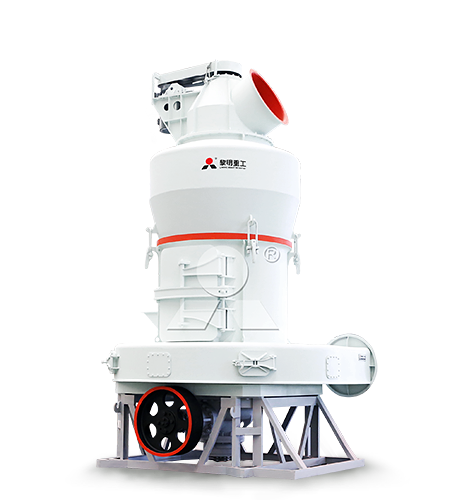
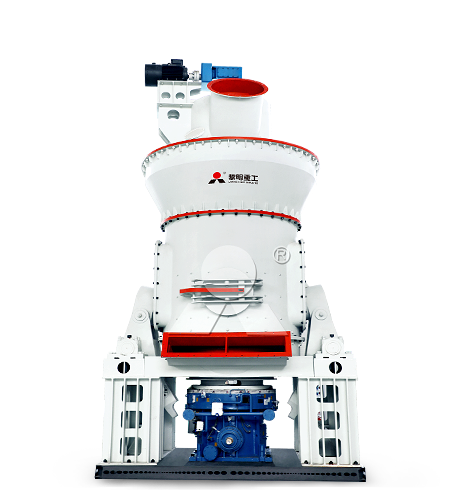
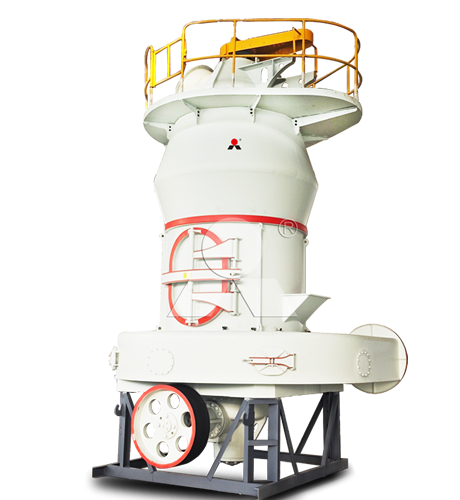
For a Liming Heavy Industry project, request an integrated drying-and-grinding assessment alongside any proposed pre-drying alternative. Define the duty first, then have the supplier confirm the appropriate mill configuration and system boundary.
How to Write a Moisture Specification That Supports Equipment Selection
“Feed moisture: 10%” is incomplete unless it identifies whether that value is typical, maximum, or a single sample result. Use a specification that describes the supply and the required product clearly.
| Specification Item | Information to Provide |
|---|---|
| Incoming moisture | Normal range, expected maximum, and frequency of wetter deliveries |
| Material condition | Green or calcined petroleum coke, incoming size, and representative samples |
| Finished moisture | Acceptance limit and the point where it will be measured |
| Testing procedure | Sampling, sample preservation, test method, and reporting basis |
| Available drying heat | Heat source and its expected operating range and availability |
| Production requirement | Required output and fineness at the stated feed conditions |
Verify Performance with Representative Wet Feed
Commissioning should demonstrate more than acceptable operation on a dry batch. Agree a test that represents the expected feed conditions and measures throughput, fineness, and finished moisture together.
For a Liming Heavy Industry petroleum coke grinding system, retain the incoming moisture results with the corresponding production records. This creates a practical baseline for investigating later changes and checking whether the system remains within its agreed duty.
The goal is not to remove the greatest possible amount of water. It is to maintain the specified powder quality and production rate reliably across the moisture range the plant will actually receive.