Powder Processing for Activated Carbon
Coal Powder Preparation for Pellet Activated Carbon Production
2026-09-15 14:57:31
We are Liming Heavy Industry, a manufacturer of various types of industrial crushers, such as Raymond Mill, Trapezoidal Mill, Vertical Mill, Ultrafine Mill, Ball Mill, etc.
Our mills can process the following minerals:
limestone, quicklime, kaolin, talc, barite, bentonite, calcium carbonate, dolomite, coal, gypsum, clay, carbon black, slag, cement raw materials, cement clinker, etc.
If you need a mill to process stone or minerals into powder, please feel free to contact me (WhatsApp: +8615333807511). Thank you.
Coal powder preparation is the foundation of pellet activated carbon manufacturing. Before coal can be mixed with binder, extruded into cylindrical pellets, carbonized, and activated, it must be dried, ground, classified, and delivered as a stable powder with controlled fineness and moisture.
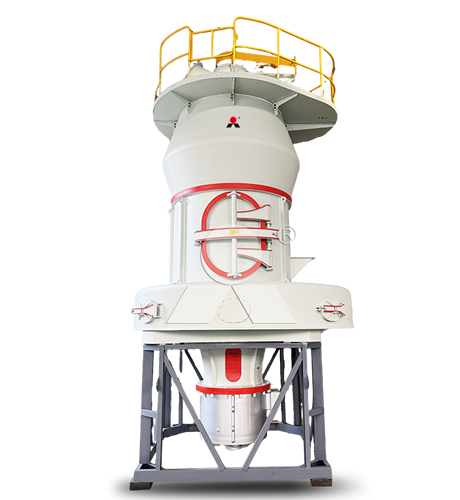
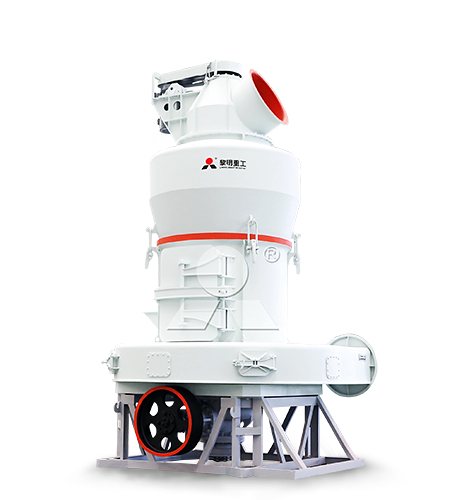
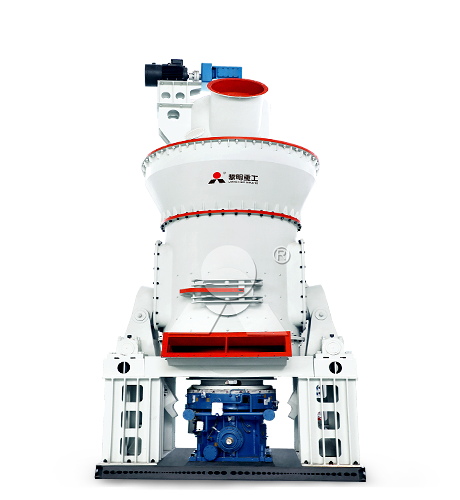
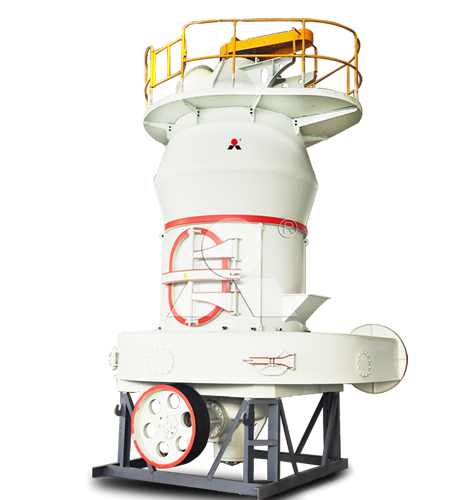
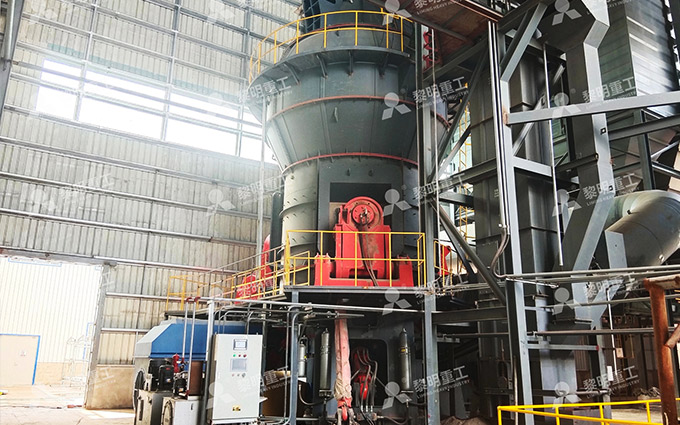
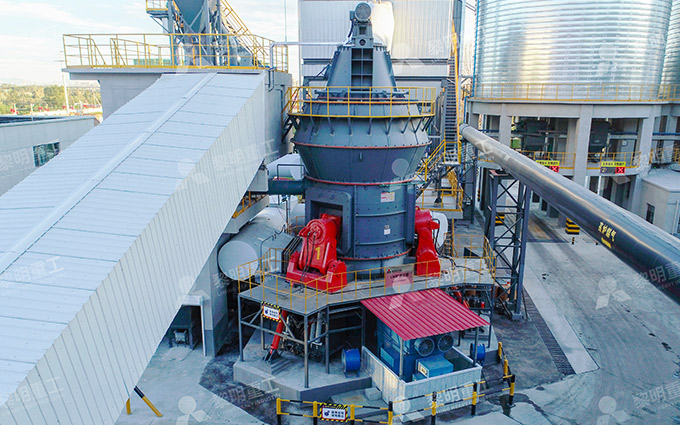
For this stage, the appropriate equipment is the LM Vertical Coal Mill from Liming Heavy Industry. It is used specifically for grinding coal before pellet forming. After carbonization and activation, the product becomes activated carbon; any final processing of activated carbon powder should then use the LM Vertical Roller Mill or MTW European Trapezium Grinding Mill.
Why Coal Powder Quality Matters
Pellet activated carbon is commonly produced by mixing fine coal powder with a carbonaceous binder, kneading the mixture into a plastic mass, extruding it through a die, drying the green pellets, carbonizing them in an oxygen-limited environment, and activating the carbonized pellets with steam, carbon dioxide, or another controlled activating gas.
The coal powder determines how evenly the binder is distributed and how uniformly the pellet responds during each thermal stage. Poor powder quality can lead to weak pellets, uneven shrinkage, surface cracks, poor extrusion, excessive fines, unstable activation, and inconsistent adsorption performance.
Coal-based activated carbon is generally manufactured through powder preparation, binder mixing, kneading, extrusion molding, carbonization, and activation.
| Coal Powder Characteristic | Effect on Pellet Manufacturing |
|---|---|
| Particle-size distribution | Influences binder coverage, packing density, extrusion stability, shrinkage, and final pellet strength |
| Moisture content | Affects powder flow, mixing consistency, binder absorption, kneading behavior, and drying load |
| Ash content | Can reduce carbon yield, alter pore formation, and affect final adsorption performance |
| Volatile matter | Influences gas release, carbonization behavior, internal pore development, and pellet cracking risk |
| Bulk density | Affects feeder calibration, mixing ratios, extrusion pressure, and finished pellet density |
| Powder uniformity | Supports stable pellet diameter, smooth surface, consistent strength, and predictable activation response |
Typical Coal Preparation Flow
A coal powder-preparation section for pellet activated carbon can be arranged as:
Raw coal receiving → coal storage → metal removal → primary crushing → controlled feeding → LM Vertical Coal Mill → internal classification → cyclone collection → pulse-jet bag filter → coal powder silo → weighing and dosing → mixing and kneading.
Where raw coal has high or variable moisture, drying should be incorporated before or during grinding. The LM Vertical Coal Mill can combine drying, grinding, and classification in one process arrangement when the feed moisture and available hot-air conditions are suitable.
The complete pellet activated carbon route then continues as:
Coal powder → binder dosing → mixing and kneading → extrusion → pellet cutting → staged drying → carbonization → activation → controlled cooling → screening → inspection → packing.
Coal Selection Before Grinding
Coal should be selected according to the required pellet properties and final application. Suitable coal may include anthracite, bituminous coal, sub-bituminous coal, lignite, or a designed coal blend. The choice affects grindability, binder demand, carbonization behavior, ash level, pore development, pellet strength, and final adsorption performance.
Before grinding, representative samples should be analyzed for:
Moisture content and expected seasonal variation.
Ash content and mineral composition.
Volatile matter and fixed-carbon content.
Sulfur, chlorine, and other elements relevant to product and emission requirements.
Hardness, grindability, and abrasion behavior.
Particle-size distribution after preliminary crushing.
Bulk density and flow behavior.
Carbonization yield and activation response.
For a pellet product intended for gas-phase treatment, the coal and binder system must support both a developed pore structure and adequate mechanical strength. For a product intended for high-flow adsorption beds, pellet strength, attrition resistance, and pressure-drop behavior can be as important as adsorption index.
Crushing Before the LM Vertical Coal Mill
Raw coal is normally reduced in size before entering the LM Vertical Coal Mill. A crusher breaks large coal lumps into a stable feed size that can be handled by the mill feed system. The specific crusher type depends on coal hardness, moisture, lump size, and required throughput.
Common pre-grinding equipment may include a jaw crusher, hammer crusher, roller crusher, or other suitable coal size-reduction equipment. The crusher discharge should be controlled to prevent oversized material from entering the mill. Stable feed size improves grinding efficiency, reduces mill-load fluctuations, and supports more uniform final powder.
Metal removal is essential before coal enters the grinding system. Magnetic separators and metal detectors help remove tramp iron, bolts, wire, and other metallic contaminants that could damage rollers, the grinding table, classifier components, or downstream conveying equipment.
LM Vertical Coal Mill for Coal Powder Preparation
The LM Vertical Coal Mill is designed for coal grinding and is the recommended equipment for this preparation stage. It can integrate drying, grinding, classification, and pneumatic powder transport into a continuous process system.
Crushed coal enters the mill through a controlled feeder and is delivered to the grinding table. The rotating table moves material outward into the grinding zone, where rollers apply pressure and reduce the coal to fine powder. Process airflow carries the ground material upward to the classifier.
Qualified coal powder passes through the classifier and is transported to the collection system. Coarse particles are rejected and fall back onto the grinding table for further grinding. This internal circulation helps control coal powder fineness and reduces the amount of oversize material entering the mixing section.
For pellet activated carbon production, the main advantages of the LM Vertical Coal Mill include:
Integrated coal drying, grinding, and classification.
Continuous powder production with controlled material flow.
Adjustable classifier operation for different pellet-feed fineness targets.
Internal return of coarse particles for further grinding.
Compatibility with coal powder collection, sealed conveying, silo storage, and automatic dosing.
Reduced need for separate handling stages when drying conditions are suitable.
The coal mill should be selected according to the required output at the target fineness and actual coal properties. Capacity depends on coal moisture, grindability, feed size, finished-powder requirement, hot-air temperature, airflow, classifier setting, and the capacity of downstream collection equipment.
Target Fineness for Pellet Feed
Fine coal powder improves the uniformity of binder mixing and helps form a more consistent extrusion paste. However, the target should not be set only by pursuing the smallest possible particle size. Excessively fine powder can increase energy consumption, dust loading, handling difficulty, and binder demand.
Many pellet activated carbon processes use coal powder with a high percentage passing through approximately 180–200 mesh. One published pellet-carbon process specifies that both coal and coal-tar pitch are separately pulverized to more than 95% passing a 200-mesh sieve before mixing. Another process description refers to raw coal powder with more than 95% passing 180 mesh. These values are useful references, but the final specification should be confirmed through trials with the selected coal, binder, extrusion die, pellet diameter, and activation process.
| Coal Powder Condition | Effect on Mixing and Extrusion | Effect on Final Pellets |
|---|---|---|
| Too coarse | Uneven binder coverage, rough paste texture, higher die wear, inconsistent extrusion | Possible weak points, irregular surface, lower strength, uneven activation |
| Controlled fine powder | Uniform binder distribution, stable paste plasticity, smoother extrusion | More consistent diameter, density, strength, and thermal behavior |
| Excessively fine powder | Higher dust generation, greater water and binder sensitivity, possible handling difficulty | May increase shrinkage, reduce permeability, or create an unnecessarily high processing cost |
| Wide particle-size distribution | Variable mixing behavior and inconsistent extrusion pressure | Variable density, cracking tendency, and inconsistent pore development |
The final coal-powder specification should include more than mesh size. It may also define sieve residue, D10, D50, D90, moisture, bulk density, ash, and powder flowability. Particle-size testing should use an agreed method because coal particles are irregular and different measurement methods can produce different results.
Moisture Control
Coal moisture affects every downstream stage. High moisture can reduce mill output, cause material buildup in hoppers and feeders, interfere with classification, and make it difficult to control the water added during kneading. Low and stable moisture helps maintain accurate powder dosing and consistent binder mixing.
The LM Vertical Coal Mill can use hot air to remove moisture while grinding. This integrated arrangement can simplify the coal preparation section when the coal moisture is within the mill’s operating range and an appropriate hot-air source is available.
Where coal moisture is high or highly variable, a dedicated drying section may be required before grinding. The dryer should be selected according to coal characteristics, required output, fuel availability, safe operating temperature, dust collection, and the thermal demand of the complete plant.
Coal powder delivered to the mixing silo should have a stable moisture range. The mixing system must then add water deliberately as part of the binder formulation, rather than trying to compensate for uncontrolled water introduced with the raw coal.
From Powder Silo to Mixer
After milling, qualified coal powder is collected by a cyclone and pulse-jet bag filter, then conveyed to a sealed powder silo. The silo provides a buffer between continuous grinding and batch or continuous pellet mixing.
Coal powder should be discharged through a controlled metering device, such as a screw feeder, rotary valve, or loss-in-weight feeder. Accurate metering is important because the coal-to-binder ratio affects extrusion behavior, pellet density, carbonization yield, ash, strength, and pore development.
The powder storage and dosing system should include level measurement, overfill protection, dust-tight venting, stable discharge design, and access for cleaning and inspection. Coal powder can bridge or compact in poorly designed hoppers, especially if moisture fluctuates or if the powder has a broad particle-size distribution.
Binder Mixing and Kneading
Coal powder is blended with a binder to create a plastic, extrudable mixture. Coal tar pitch, coal tar, starch, lignosulfonate, cellulose-based binders, phenolic resins, and other formulations may be used according to product design. Some routes also use temporary binders that are decomposed during thermal treatment.
The binder must provide sufficient green strength without creating excessive ash, undesirable emissions, pore blockage, or excessive shrinkage. It should be introduced uniformly into the fine coal powder through a controlled mixing and kneading process.
A common production route separately grinds coal and coal-tar pitch, mixes the powders, adds a temporary binder, heats the mixture during kneading, and then extrudes the prepared material into columnar pellets. The reported example uses 50–80°C mixing and kneading conditions, but actual values depend on binder properties and should be determined through process trials.
A properly prepared extrusion paste should have uniform moisture, even binder distribution, stable plasticity, and sufficient cohesion. It should form continuous strands through the extrusion die without excessive cracking, sticking, tearing, or collapse.
Dust Collection and Safe Coal Powder Handling
Coal powder preparation requires enclosed operation and effective dust control. Coal dust can be generated during crushing, mill feeding, grinding, classification, cyclone discharge, filter cleaning, silo filling, and powder dosing.
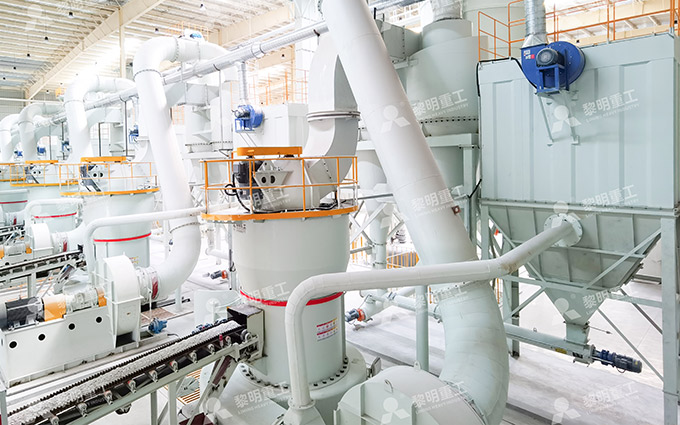
A typical coal powder collection system includes a cyclone collector, pulse-jet bag filter, induced-draft fan, sealed ductwork, rotary airlocks, and enclosed conveyors. The system should maintain stable negative pressure so that air enters small gaps rather than coal dust escaping into the workshop.
Fine coal powder can present a combustible-dust hazard under certain conditions. The final system should be designed from the actual coal characteristics and a site-specific safety assessment. Measures may include metal removal, temperature monitoring, vibration monitoring, grounding and bonding, spark prevention, explosion venting, explosion isolation, suitable electrical equipment, emergency shutdown interlocks, and controlled housekeeping.
Dust captured by the coal powder collector should be returned to the coal powder silo only when the material is confirmed to be compatible with the pellet-feed specification. Dust from unknown sources, maintenance activities, or contaminated process areas should be handled separately and evaluated before reuse.
Quality Control Points
| Process Stage | Key Control Items | Purpose |
|---|---|---|
| Incoming coal | Moisture, ash, volatile matter, sulfur, particle size, foreign matter, grindability | Confirm suitability for pellet activated carbon production |
| Crushed coal | Maximum particle size, feed consistency, metal removal | Protect the mill and stabilize grinding performance |
| Coal milling | Feed rate, mill load, vibration, temperature, pressure, airflow, classifier operation | Maintain stable powder output and prevent abnormal operating conditions |
| Coal powder | Mesh distribution, sieve residue, moisture, bulk density, ash, flowability | Ensure suitable material for binder mixing and extrusion |
| Mixed paste | Coal-to-binder ratio, moisture, plasticity, homogeneity, temperature | Provide reliable extrusion behavior and green-pellet strength |
| Green pellets | Diameter, length, surface condition, density, cracking, drop strength | Confirm readiness for drying and thermal treatment |
Integrated Equipment Arrangement
A complete coal powder-preparation system for pellet activated carbon production can include coal receiving equipment, coal storage, crusher, magnetic separator, belt or screw feeder, LM Vertical Coal Mill, classifier, cyclone collector, pulse-jet bag filter, induced-draft fan, coal powder silo, weighing system, binder storage, liquid dosing equipment, mixer, kneader, extruder, and pellet cutter.
Downstream equipment may include a belt dryer, carbonization furnace, activation furnace, cooling system, screening machine, dust collector, finished-product silo, and packing machine. The preparation system and forming system should be designed as one connected process so that powder output, powder storage capacity, mixer batch size, extrusion capacity, and furnace feed rate remain balanced.
The essential selection principle is straightforward: raw coal for pellet activated carbon production is prepared with the LM Vertical Coal Mill. Its controlled drying, grinding, and classification support stable coal powder for mixing and extrusion. After carbonization and activation, any final grinding of activated carbon should be carried out by the LM Vertical Roller Mill or MTW European Trapezium Grinding Mill, because the processed material is then activated carbon rather than coal.