Powder Processing for Activated Carbon
Activated Carbon Powder Storage, Conveying and Packing
2026-09-15 14:58:02
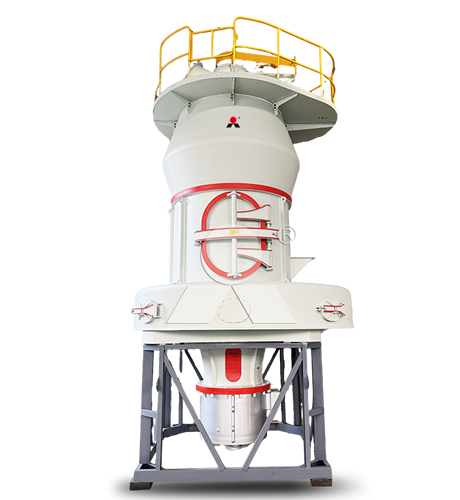
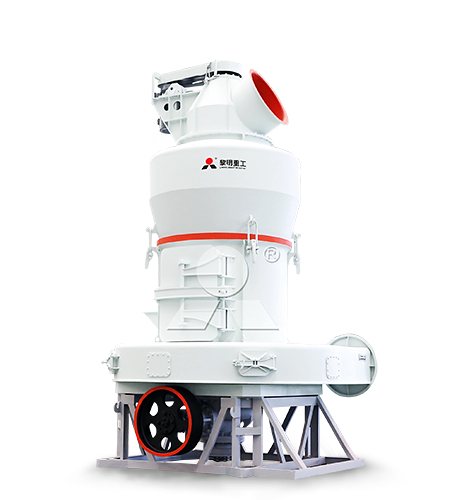
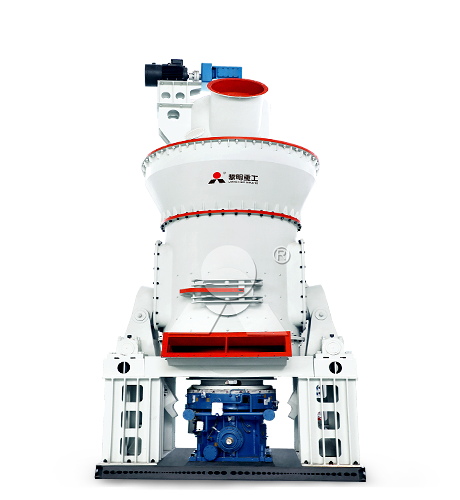
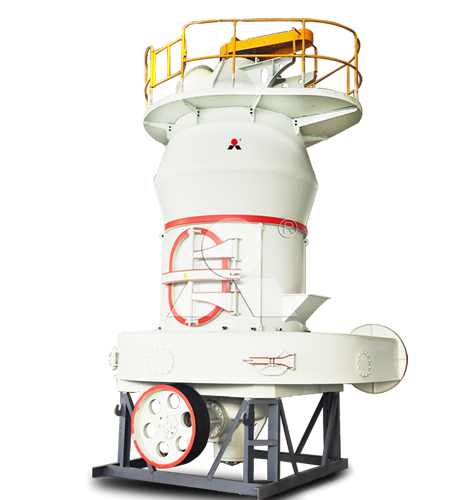
We are Liming Heavy Industry, a manufacturer of various types of industrial crushers, such as Raymond Mill, Trapezoidal Mill, Vertical Mill, Ultrafine Mill, Ball Mill, etc.
Our mills can process the following minerals:
limestone, quicklime, kaolin, talc, barite, bentonite, calcium carbonate, dolomite, coal, gypsum, clay, carbon black, slag, cement raw materials, cement clinker, etc.
If you need a mill to process stone or minerals into powder, please feel free to contact me (WhatsApp: +8615333807511). Thank you.
Activated carbon powder must be stored, conveyed, and packed in enclosed equipment that protects product quality while controlling dust, moisture pickup, flow instability, and potential combustible-dust hazards. The preferred system keeps the powder in a sealed route from the grinding mill or dust collector to the finished-product silo and then to the packing station.
The handling arrangement should be selected from the powder’s particle-size distribution, bulk density, moisture, flow behavior, production rate, storage period, package format, and the actual safety characteristics of the material. Fine PAC is highly aeratable: even low air movement can suspend it and create dust release if transfer points are not properly enclosed.
From Mill to Finished Product
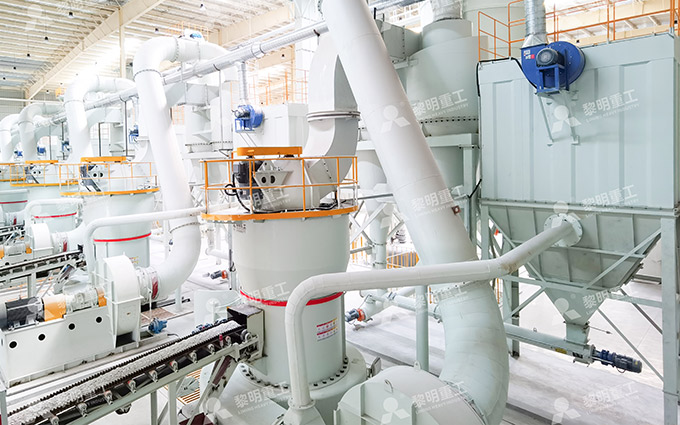
After grinding and classification, activated carbon powder is normally collected through a cyclone collector and pulse-jet bag filter. Both recovery streams should discharge through sealed airlocks and enter a closed conveying system. Open collection bins and manual transfer increase material loss, dust exposure, contamination risk, and cleanup requirements.
A typical arrangement is:
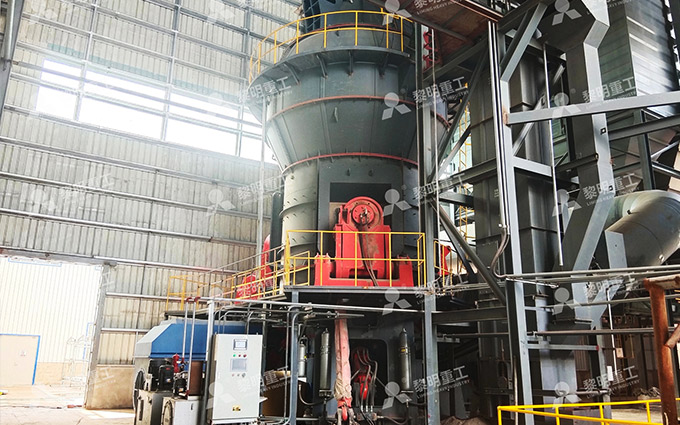
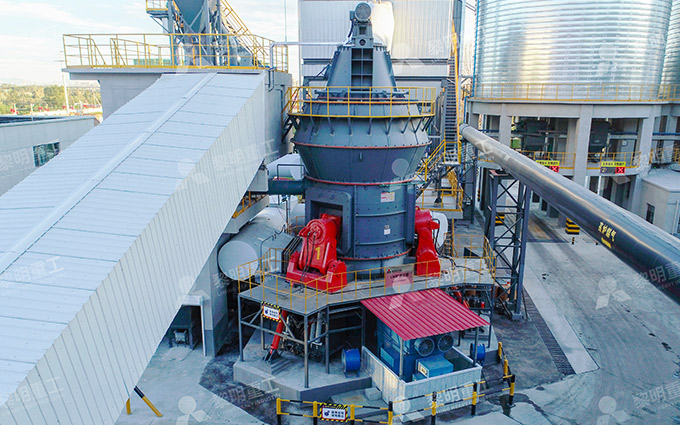
LM Vertical Roller Mill or MTW European Trapezium Grinding Mill → classifier → cyclone collector → pulse-jet bag filter → rotary airlock → sealed screw conveyor or pneumatic conveyor → finished-product silo → weighing system → bagging machine → sealed finished bags or bulk bags.
For activated carbon and other non-coal carbonaceous materials, the LM Vertical Roller Mill and MTW European Trapezium Grinding Mill are suitable for final powder processing. The LM Vertical Coal Mill is used only where raw coal is being prepared before carbonization, pelletizing, or activation in a coal-based production route.
Product transfer should be designed so that the cyclone and filter discharge rates match the conveying-system capacity. If powder cannot leave the collector hoppers consistently, material can back up, increase filter differential pressure, disturb mill airflow, and reduce classification accuracy.
Storage Silo Design
A finished-product silo provides a buffer between continuous grinding and intermittent packaging. It allows the mill to operate steadily while bags or bulk bags are filled in batches. The silo should be designed for the actual activated carbon powder, not only for its nominal storage volume.
Important silo design elements include:
Dust-tight construction with sealed inspection doors, flanges, and discharge connections.
Correct hopper geometry to support mass flow or controlled funnel flow, depending on powder behavior.
A roof vent filter or a connection to the central dust-collection system.
High-level, low-level, and overfill protection sensors.
A controlled discharge device, such as a rotary valve, screw feeder, slide gate, or loss-in-weight feeder.
Access for inspection, cleaning, maintenance, and safe isolation.
Grounding and bonding provisions for the silo, support structure, pipework, and connected equipment.
Temperature monitoring or other safety instrumentation where required by the material assessment.
Bulk storage silo systems for powdered reagents such as activated carbon commonly use a roof-mounted dust filter to manage displaced air during filling. The vent filter should be sized for filling airflow and maintained so that it does not become blocked or release dust during silo loading.
Activated carbon powder can bridge, compact, or form stable ratholes in poorly designed hoppers. This is more likely when moisture changes, the powder has low bulk density, the fine fraction is high, or the material has been stored for a long period. Hopper angle, wall surface, outlet size, and discharge equipment should be verified through material-flow data or representative testing.
Mechanical aids such as vibration devices, external bin activators, air pads, or controlled agitation may be used only when they are suitable for the product and safety design. Uncontrolled aeration can fluidize light activated carbon powder, cause surging, and increase dust release at downstream points.
Conveying Methods
The best conveying method depends on capacity, distance, elevation change, powder fineness, product sensitivity, and the required level of containment. The system should minimize open drop points and unnecessary transfers.
| Conveying Method | Suitable Use | Main Advantages | Key Design Considerations |
|---|---|---|---|
| Enclosed screw conveyor | Short horizontal or inclined transfer from collector to silo or packer | Compact, simple, and suitable for controlled powder discharge | Seal ends and covers, prevent buildup, select speed to limit powder degradation and dust leakage |
| Rotary valve with gravity chute | Controlled discharge from cyclone, bag filter, or silo | Maintains discharge while reducing air leakage between pressure zones | Match valve capacity to powder flow and inspect for wear, leakage, and jamming |
| Pneumatic conveying | Longer distance, elevation transfer, multiple destination points, enclosed plant layout | Fully enclosed routing and flexible pipe layout | Control conveying air, velocity, static electricity, abrasion, pressure, and separator capacity |
| Vacuum conveying | Short-to-medium sealed transfer where dust containment is a priority | Leaks tend to draw air inward rather than release powder outward | Requires suitable filtration, vacuum source, line sizing, and discharge arrangement |
| Flexible screw conveyor | Small-to-medium capacity transfer from bulk bags or small hoppers | Flexible layout and compact installation | Confirm compatibility with powder flow behavior and avoid excessive bends or bridging |
| Bucket elevator | Vertical transfer of coarser carbon or selected powder grades | Useful where vertical lift is required | Requires careful enclosure, dust extraction, belt and bearing monitoring, and ignition-risk control |
PAC systems commonly use a storage silo or bulk-bag station, screw feeder, mechanical discharger, and pneumatic or powder-conveying system to move activated carbon to a final injection or use point. Where a slurry is required, the dry powder may be transferred to a mixing tank with an eductor and high-shear mixing equipment.
For powder produced for sale, screw conveying or enclosed pneumatic conveying is commonly used between the collector, product silo, and packing station. For powder delivered directly to a water-treatment dosing point, the storage-and-conveying system may feed a dry doser or slurry-preparation unit.
Preventing Moisture Problems
Activated carbon powder should be stored in a dry, cool, ventilated area. Moisture pickup can change bulk density, reduce flowability, create agglomerates, promote bridging in hoppers, increase packing-weight variation, and lower the efficiency of powder dosing.
Packaging materials, silo venting, loading practices, and warehouse conditions should all limit contact with rain, wet floors, condensation, humid air, and wet cleaning operations. Activated carbon safety guidance recommends keeping the product tightly closed in a cool, dry place and avoiding moisture exposure during storage.
Bulk bags should not be placed directly on wet surfaces. A dry pallet, rack, or protected storage area helps prevent moisture transfer from the floor. Activated carbon safety guidance specifically warns against placing big bags on wet underlay and notes that humidity can increase self-heating tendency under certain conditions.
Do not use compressed air to move, fill, clean, or disturb activated carbon powder unless the system has been specifically engineered for that operation. Compressed air can disperse dust, create a dust cloud, and increase static-charge generation. Activated carbon safety guidance advises against using compressed air to fill, handle, or work up the product.
Bagging and Bulk Packing
The packing station should receive powder from the finished-product silo through a controlled discharge device. The system must provide accurate filling while keeping the bag mouth, fill spout, and powder-transfer route enclosed as much as possible.
Common activated carbon powder packaging formats include:
Small valve bags for standardized commercial quantities.
Open-mouth paper bags with moisture-resistant inner liners.
Woven polypropylene bags with inner liners.
Multiwall paper bags for selected dry powder products.
Flexible intermediate bulk containers, commonly called bulk bags or jumbo bags.
Drums, sealed cartons, or other specialty packaging for smaller-volume products.
Bulk tanker loading for large-volume customers with suitable receiving systems.
Valve-bag packing is suitable for many dry activated carbon powder products because the bag can be filled through a sealed spout and then closed after the specified weight is reached. For open-mouth bags, the filling head should use a dust-control enclosure, bag clamp, and local extraction system. The bag should be sealed promptly after filling to limit moisture pickup and powder loss.
Bulk-bag stations should include a supported filling frame, dust-tight filling head, venting or aspiration connection, weighing system, and controlled bag sealing. Bulk activated carbon handling information notes that bulk-bag filling can use vibration decks and sealing systems to improve weight accuracy and limit dust.
| Packing Format | Suitable Situation | Key Quality-Control Point |
|---|---|---|
| Valve bag | Regular small-package distribution and standard powder grades | Accurate net weight, sealed valve, low dust escape, dry outer bag |
| Open-mouth lined bag | Products requiring liner protection or different bag sizes | Dust-tight clamping, secure heat seal or stitch seal, moisture barrier |
| Bulk bag | Industrial customers requiring high-volume delivery | Load-cell accuracy, bag integrity, outlet closure, dry pallet storage |
| Drum or specialty container | Smaller-volume or high-purity products | Container cleanliness, liner integrity, airtight closure, label accuracy |
| Bulk tanker | Large-volume continuous users with receiving silos | Closed loading connection, compatible receiving system, pressure and dust control |
Every package should be labeled with the product name, grade, batch or lot number, net weight, handling instructions, storage conditions, and required safety information. Batch identification allows the producer to trace final powder back to the incoming activated carbon, grinding conditions, classification result, and inspection data.
Dust Control at Storage and Packing
Powder handling becomes most visible at collector discharge, silo filling, silo venting, bag filling, bag removal, and truck loading. These locations should have sealed connections and localized dust extraction.
A suitable arrangement may include a cyclone and main bag filter after the mill, followed by sealed rotary valves, enclosed conveying, a product silo with vent filter, and a bagging machine connected to a small local dust collector. The packing collector should be sized for displaced air and dust generated during filling, not simply connected as an afterthought.
Bulk-bag unloading and filling stations can use multiple suction connections and dust-tight bag seals to reduce powder release. For bagging operations, the extraction connection should be close to the bag mouth and filling head, where dust is most likely to escape.
Collected dust should be returned to the process only when it is traceable and meets the product specification. Dust from floor cleanup, maintenance areas, unknown sources, or contaminated packaging zones should be segregated and evaluated before reuse.
Safe Storage and Handling
Fine activated carbon powder may create a combustible dust hazard under certain conditions. The storage, conveying, and packing system should be based on the actual powder characteristics and a formal dust-hazard assessment. This review should consider particle size, moisture, dust concentration, ignition sensitivity, static-charge generation, equipment confinement, dust accumulation, and potential ignition sources.
Depending on the results and applicable local requirements, the system may require grounding and bonding, antistatic components, suitable electrical equipment, temperature monitoring, spark prevention, explosion venting, explosion isolation, dust-tight construction, emergency shutdown interlocks, and formal housekeeping procedures.
Activated carbon can also self-heat under certain conditions, particularly when exposed to air, oxidizing chemicals, heat, or moisture. Safety data warns that activated carbon should be kept away from ignition sources, heat, flames, and strong oxidizers such as ozone, liquid oxygen, chlorine, and permanganate.
Wet activated carbon presents an additional confined-space hazard because it can reduce oxygen concentration in enclosed areas. Before personnel enter a silo, vessel, collector, tank, enclosed room, or other space that contains or previously contained activated carbon, a qualified person should evaluate oxygen and carbon monoxide concentrations and implement the applicable confined-space entry procedure.
Operating and Maintenance Checks
| Area | Routine Check | Reason |
|---|---|---|
| Product silo | Material level, vent-filter condition, discharge flow, seal integrity, temperature where required | Prevents overfill, bridging, dust release, and unstable feeding |
| Screw or pneumatic conveyor | Flow rate, power draw, pressure, line buildup, wear, leakage, grounding continuity | Maintains reliable transfer and prevents blockage or powder escape |
| Rotary airlock | Rotor wear, clearance, leakage, rotation, powder buildup | Maintains controlled discharge and stable system pressure |
| Bagging machine | Weight accuracy, bag clamp, local extraction, seal quality, product spillage | Protects package quality and limits dust emissions |
| Dust collector | Filter differential pressure, pulse cleaning, hopper level, fan performance, filter condition | Maintains powder recovery and negative-pressure stability |
| Warehouse | Dry conditions, pallet integrity, package condition, heat sources, dust deposits | Protects product quality and supports safe storage |
A reliable activated carbon powder handling system connects milling, collection, storage, conveying, and packing as one enclosed route. The key objectives are stable product flow, controlled moisture, accurate package weight, high powder recovery, low dust release, and safe operation from the finished-product silo to customer delivery.