Powder Processing for Activated Carbon
Coconut Shell Activated Carbon Processing and Powder Preparation
2026-09-15 14:52:09
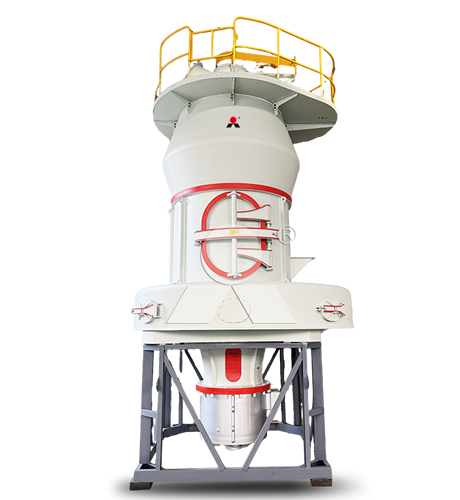
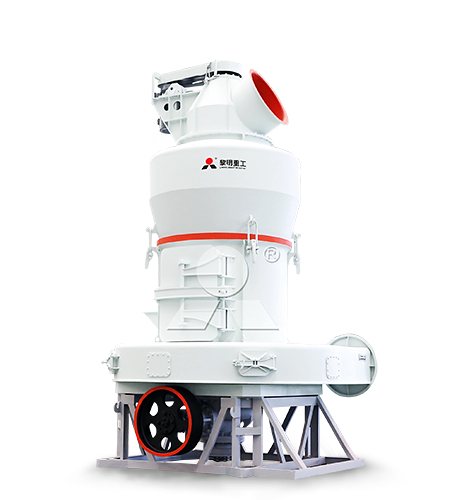
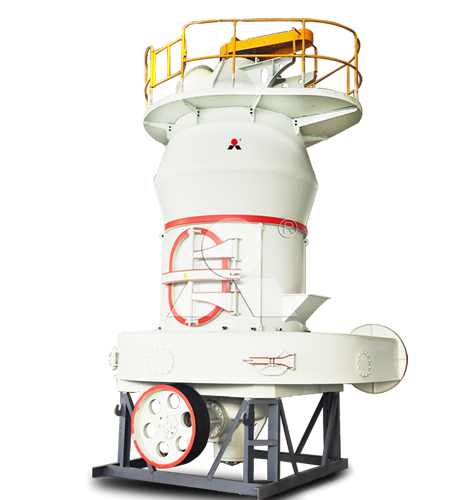
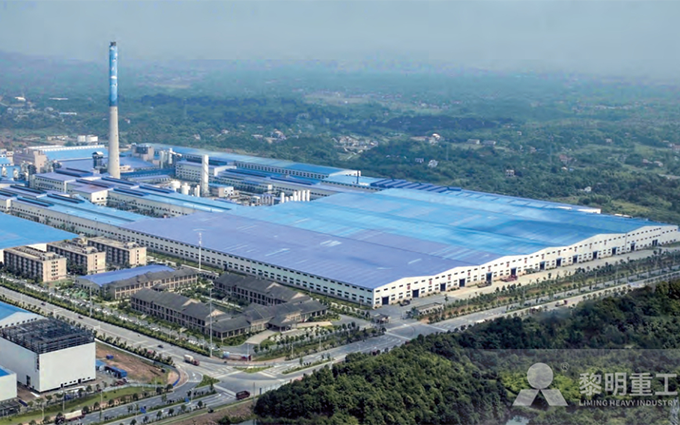
We are Liming Heavy Industry, a manufacturer of various types of industrial crushers, such as Raymond Mill, Trapezoidal Mill, Vertical Mill, Ultrafine Mill, Ball Mill, etc.
Our mills can process the following minerals:
limestone, quicklime, kaolin, talc, barite, bentonite, calcium carbonate, dolomite, coal, gypsum, clay, carbon black, slag, cement raw materials, cement clinker, etc.
If you need a mill to process stone or minerals into powder, please feel free to contact me (WhatsApp: +8615333807511). Thank you.
Coconut shell activated carbon is produced by converting cleaned and dried coconut shells into charcoal, activating the charcoal to create a highly porous structure, and then processing the activated material into granular or powdered grades. Because coconut shell is hard, dense, and naturally carbon-rich, it is widely used to produce activated carbon for water treatment, air purification, precious-metal recovery, solvent treatment, and industrial adsorption.
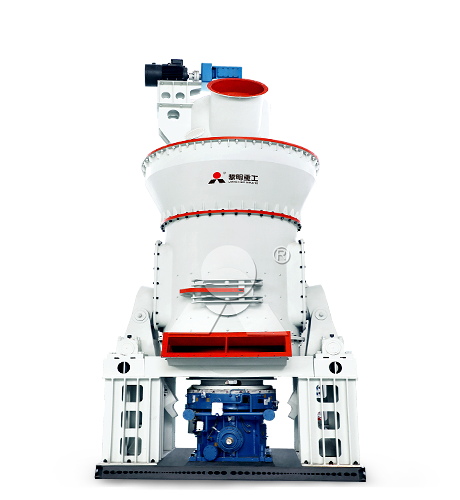
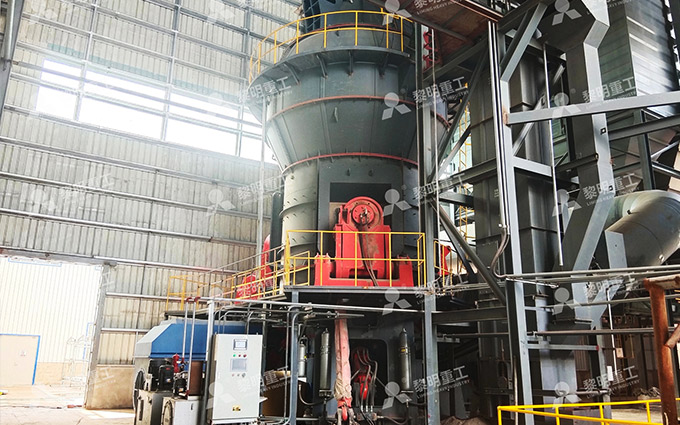
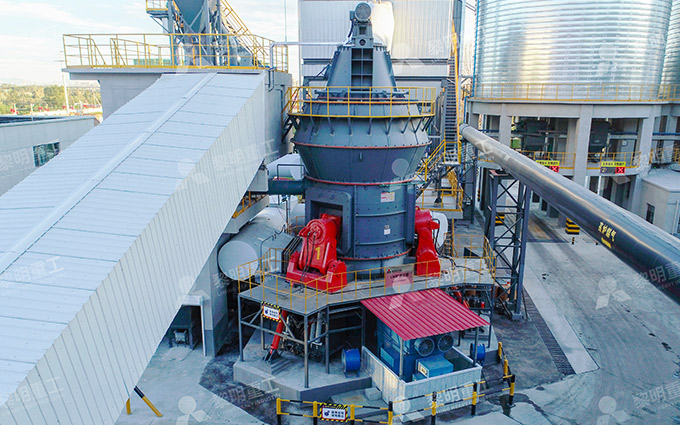
For coconut shell activated carbon powder production, the appropriate grinding equipment is the LM Vertical Roller Mill or the MTW European Trapezium Grinding Mill. Coconut shell and coconut-shell activated carbon are non-coal materials. The LM Vertical Coal Mill should not be used for this processing route.
Why Coconut Shell Is Used
Coconut shell is a lignocellulosic biomass material with high fixed-carbon potential after carbonization. Its hard structure supports the production of activated carbon with good mechanical strength and a pore system that is often rich in micropores. These characteristics make coconut-shell activated carbon particularly suitable for adsorption of relatively small molecules in liquid- and gas-phase treatment applications.
The final performance depends on more than the shell itself. Shell cleanliness, particle size before carbonization, moisture, carbonization conditions, activation method, activation temperature, steam flow, residence time, washing efficiency, and final sizing all influence the finished product.
The standard production route consists of two core thermal stages: carbonization followed by activation. During carbonization, the shells are heated in an oxygen-limited atmosphere to produce charcoal. During activation, the charcoal is heated again in a gasifying atmosphere, commonly steam or carbon dioxide, to develop accessible pores and internal surface area.
Typical Production Flow
A complete coconut shell activated carbon plant can follow this process:
Coconut shell receiving → impurity removal → washing → drying → crushing and screening → carbonization → charcoal cooling → activation → controlled cooling → washing and neutralization when required → final drying → crushing and size grading for granular carbon or fine grinding and classification for powder → inspection → packing.
The plant can produce more than one finished product from the same activated-carbon source. Coarser fractions can be screened into granular activated carbon grades, while selected carbon fractions can be sent to a separate milling line for powdered activated carbon production.
Shell Receiving, Cleaning, and Drying
Incoming coconut shells may contain fibers, residual coconut flesh, soil, stones, metal, sand, and other foreign materials. These impurities should be removed before thermal processing because they can raise ash content, affect carbonization behavior, contaminate the final product, and increase wear in downstream equipment.
The preparation section may include receiving hoppers, belt conveyors, manual or mechanical sorting, washing equipment, dewatering equipment, dryers, magnetic separators, and screening machines. Washing removes surface contamination, while drying reduces moisture and improves the stability of crushing and carbonization.
Moisture control is important because wet shell feedstock requires more heat during carbonization and can reduce furnace capacity. Drying also improves material flow and helps establish more uniform thermal treatment. In a commercial steam-activation route, shells are first crushed, dried, and carbonized; the dried shell fragments are then fed to the thermal section for conversion into charcoal.
Crushing and Size Preparation
After drying, coconut shells are crushed into more uniform fragments before carbonization. Uniform feed size promotes consistent heat transfer, controlled volatile release, stable charcoal yield, and more predictable activation behavior.
The target feed size depends on furnace design and production capacity. Pieces that are too large may carbonize unevenly, leaving an underprocessed core. Excessive fines can increase dust losses and may be carried out of the furnace by process gas. Screening after crushing removes oversized pieces for return crushing and separates excess fines where necessary.
For coconut-shell activated carbon projects, crushing is normally performed before carbonization. The material may later require another controlled crushing step after activation if the final product is granular activated carbon or powdered activated carbon.
Carbonization: From Shell to Charcoal
Carbonization converts coconut shell into charcoal by heating it under low-oxygen or oxygen-free conditions. During this step, moisture and volatile organic compounds are removed, while a carbon-rich solid structure remains.
The carbonization section may use a rotary kiln, vertical carbonization furnace, retort, multiple-hearth furnace, or another suitable thermal system. The choice depends on shell feed form, capacity, available fuel, energy-recovery design, automation requirements, and environmental-control requirements.
During carbonization, the shell material releases gases, vapors, and condensable compounds. The process creates coconut shell charcoal, but the product has not yet developed the pore structure required for high adsorption performance. The char must proceed to the activation stage.
Published coconut-shell activated carbon process descriptions commonly place carbonization in an oxygen-controlled environment, with reported processing temperatures varying by equipment and operating method. One industrial process description uses nitrogen during carbonization after shell crushing and drying, while practical production guides commonly describe a carbonization range of roughly 300–700°C. The actual furnace profile must be set through feedstock testing and thermal-process design.
Steam Activation and Pore Development
Activation is the stage that turns coconut shell charcoal into activated carbon. Physical activation commonly uses steam, carbon dioxide, or a controlled combination of activating gases. Steam activation is widely used for coconut-shell carbon because it reacts with the charcoal surface and creates an interconnected pore structure.
At high temperature, steam reacts gradually with carbon. Part of the carbon matrix is removed, opening blocked pores and forming new adsorption sites. The result is activated carbon with a large internal surface area and a developed pore network.
Industrial steam-activation references describe activation in a controlled atmosphere at approximately 900–1,100°C, although the actual working range depends on raw material, furnace design, desired burn-off, steam ratio, residence time, and target product grade.
Activation must be controlled carefully. Insufficient activation may leave too few accessible pores and result in weak adsorption performance. Excessive activation may lower carbon yield, weaken the particles, increase breakage during screening or transport, and create an unsuitable pore-size distribution.
Key activation-control variables include:
Charcoal feed rate and particle-size consistency.
Activation temperature and furnace temperature profile.
Steam flow rate and steam-to-carbon ratio.
Carbon residence time in the activation zone.
Activation burn-off level.
Oxygen control and prevention of uncontrolled combustion.
Cooling method after activation.
Cooling, Washing, and Final Drying
Activated carbon leaving the furnace is hot and reactive. It must be cooled in a controlled manner before it comes into contact with air. Rapid or uncontrolled oxygen exposure can cause combustion, product loss, and safety risks.
Indirect cooling, controlled cooling conveyors, cooling screws, water-cooled equipment, or inert-gas-protected systems may be used according to the plant design. The cooling section should reduce the product temperature while limiting oxidation and preventing excessive particle breakage.
Physical steam activation may require limited post-treatment before sizing, depending on the ash level and product specification. Chemical activation routes require more extensive washing and neutralization to remove residual activating chemicals and soluble salts. After washing or cooling, the carbon is dried to meet the moisture requirement for screening, grinding, storage, and packing.
Final moisture affects product quality. Carbon with excessive moisture may bridge in storage hoppers, reduce screen efficiency, adhere to mill components, and create unstable packing weights. A stable dry product is easier to classify and transport.
Producing Granular Coconut Shell Carbon
Granular activated carbon is produced by controlled crushing and screening of dried activated carbon. The goal is to create a narrow particle-size range with low fines content and sufficient mechanical strength for use in packed beds, filters, adsorption columns, and recovery systems.
A granular finishing section may include a crusher, vibrating screens, multi-deck screening equipment, dust-removal equipment, oversize return conveyors, product bins, and packing equipment. Oversized pieces are returned to the crusher, while undersized material is separated as fines or directed to the powdered activated carbon line if it meets the required quality standard.
Granular coconut-shell activated carbon is commonly selected for applications that require a hard product with low abrasion loss, including water filters, gold-recovery circuits, air-treatment beds, and solvent-recovery systems. The finished granule grade should be defined by screen size, hardness, abrasion resistance, ash, moisture, bulk density, and adsorption indicators.
Producing Powdered Coconut Shell Carbon
Powdered activated carbon is produced by further processing qualified dried activated carbon through crushing, fine grinding, air classification, powder collection, and sealed packing. The powder-processing line should be separate from the granular screening section when the plant needs stable PAC fineness and controlled dust handling.
The process flow is:
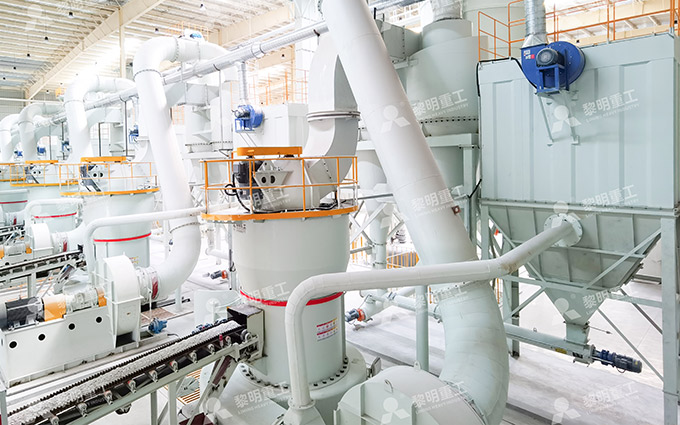
Dried coconut-shell activated carbon → controlled feeder → magnetic separation → pre-crushing when necessary → fine grinding → air classification → cyclone collector → pulse-jet bag filter → finished powder silo → weighing and packing.
For coconut-shell activated carbon powder, the LM Vertical Roller Mill from Liming Heavy Industry provides an integrated grinding and classification arrangement. Activated carbon enters the grinding zone through a controlled feeding system. Fine powder is carried by airflow to the classifier, while oversized particles are returned to the grinding area until they reach the required fineness.
The MTW European Trapezium Grinding Mill from Liming Heavy Industry is another suitable option for coconut-shell activated carbon powder production. It can be configured as a separate fine-grinding and powder-collection system with adjustable classifier settings for different powder grades.
The milling target should be defined by the actual product requirement. Coconut-shell activated carbon powder may be supplied for water treatment, chemical purification, decolorization, odor removal, food processing, or other adsorption processes. Fine-powder grades are commonly specified by mesh size, sieve-passing percentage, D10, D50, D90, bulk density, moisture, and application-specific adsorption performance.
Studies of coconut-shell activated carbon have demonstrated powder preparation at 80, 100, and 200 mesh after activation, using repeated grinding and sieving steps. This illustrates that final particle size can be tailored to different processing requirements, although industrial production should use a controlled milling and classification system rather than repeated manual size reduction.
Particle Size and Product Application
| Finished Form | Typical Finishing Method | Application Characteristics |
|---|---|---|
| Coarse granular activated carbon | Crushing and screening into larger size fractions | Suitable for packed beds, larger filters, vapor treatment, and recovery systems |
| Fine granular activated carbon | Controlled crushing and narrow screen classification | Suitable for compact adsorption equipment and selected liquid-treatment systems |
| Powdered activated carbon | Fine grinding and air classification | Suitable for direct dosing, decolorization, rapid adsorption, and batch treatment |
| Customized fine carbon powder | Grinding with controlled classifier settings and product testing | Suitable for application-specific purification and process formulations |
Smaller activated carbon particles can adsorb more quickly because the diffusion path to internal pores is shorter. However, excessively fine powder can increase grinding energy demand, dust loading, powder losses, and downstream filtration difficulty. The production line should target the particle-size distribution required by the end use rather than pursue the finest possible powder.
Dust Collection and Safe Handling
Coconut-shell activated carbon powder is fine, lightweight, and prone to dust generation during crushing, grinding, conveying, storage, and packing. A complete powder line requires enclosed feeding, sealed transfer points, negative-pressure operation, cyclone collection, pulse-jet bag filtration, and dust-tight product storage.
Dust collection improves product recovery and helps maintain a cleaner working environment. It also supports stable mill operation by maintaining the designed airflow and reducing powder accumulation in equipment and buildings.
Fine carbonaceous dust can present a combustible-dust hazard under certain conditions. The final system should be based on a site-specific dust-hazard assessment and the applicable local requirements. Depending on the actual material test data and project standards, safety provisions may include grounding and bonding, temperature monitoring, spark prevention, explosion venting, explosion isolation, appropriate electrical equipment, emergency shutdown logic, and housekeeping procedures that prevent carbon dust accumulation.
Quality Control for Coconut Shell Carbon
Quality control should begin before carbonization and continue until final packaging. Incoming shell quality, charcoal yield, activation intensity, particle strength, moisture, ash, and final sizing must all be monitored.
| Production Stage | Typical Control Items |
|---|---|
| Raw coconut shell | Moisture, foreign matter, shell cleanliness, particle size, mineral contamination |
| Crushed shell | Particle-size distribution, fines level, feed uniformity |
| Coconut shell charcoal | Fixed carbon, volatile matter, ash, density, particle integrity |
| Activated carbon | Iodine number, methylene blue value, ash, moisture, pH, pore structure, hardness |
| Granular product | Screen range, abrasion resistance, bulk density, fines content |
| Powdered product | Particle-size distribution, sieve residue, moisture, bulk density, powder recovery |
The final inspection program should reflect the intended use. A water-treatment carbon may require adsorption testing and strict particle-size control. A gold-recovery carbon may place greater emphasis on hardness, attrition resistance, and particle integrity. A powdered carbon grade may prioritize controlled fineness, flowability, moisture, and rapid adsorption performance.
Integrated Processing Arrangement
A modern coconut-shell activated carbon plant can integrate raw shell preparation, drying, crushing, carbonization, steam activation, cooling, washing when required, final drying, granular screening, powder grinding, dust collection, storage, and automated packing.
For powdered coconut-shell activated carbon, the LM Vertical Roller Mill and MTW European Trapezium Grinding Mill provide suitable non-coal grinding solutions. The LM Vertical Roller Mill is appropriate where an integrated grinding, classification, and pneumatic transport arrangement is required. The MTW European Trapezium Grinding Mill is appropriate where the project uses a dedicated pendulum-type milling and collection system.
By controlling each stage—from shell cleaning and carbonization to activation and final powder classification—the plant can produce coconut-shell activated carbon in granular and powdered forms for a wide range of adsorption applications.