Powder Processing for Activated Carbon
Pelletized Activated Carbon Manufacturing: Grinding, Mixing and Extrusion
2026-09-15 14:52:45
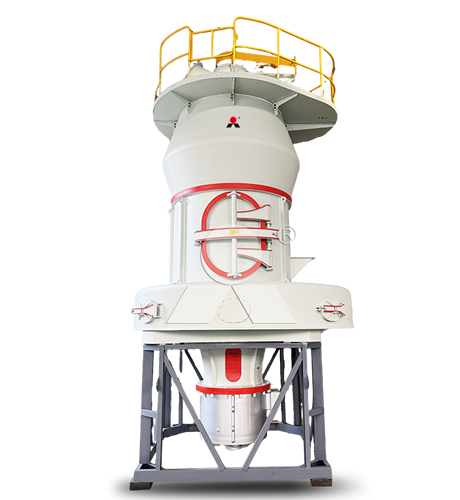
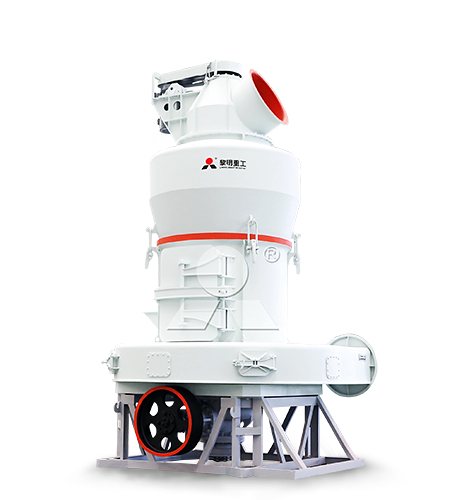
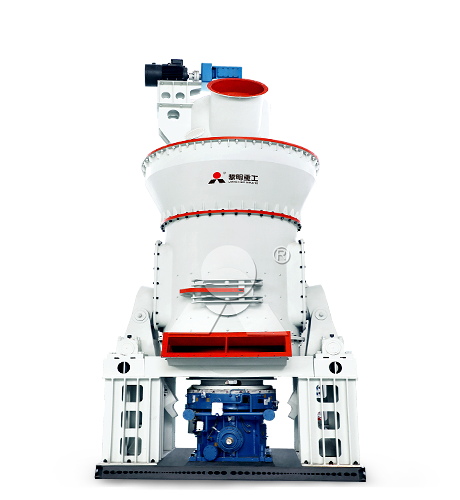
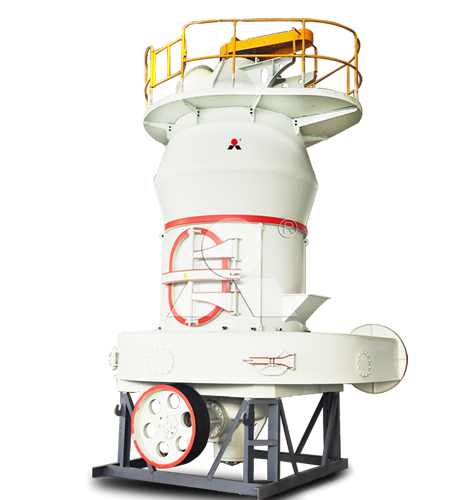
We are Liming Heavy Industry, a manufacturer of various types of industrial crushers, such as Raymond Mill, Trapezoidal Mill, Vertical Mill, Ultrafine Mill, Ball Mill, etc.
Our mills can process the following minerals:
limestone, quicklime, kaolin, talc, barite, bentonite, calcium carbonate, dolomite, coal, gypsum, clay, carbon black, slag, cement raw materials, cement clinker, etc.
If you need a mill to process stone or minerals into powder, please feel free to contact me (WhatsApp: +8615333807511). Thank you.
Pelletized activated carbon is a formed adsorbent produced by grinding a carbonaceous raw material into fine powder, mixing it with a binder, extruding the mixture into a defined shape, and then carbonizing and activating the formed pellets. The finished product is commonly cylindrical and is widely used in gas purification, solvent recovery, biogas treatment, odor control, industrial air treatment, chemical processing, and other fixed-bed adsorption systems.
Unlike powdered activated carbon, which is dosed directly into a process stream, pelletized activated carbon must retain its shape and mechanical strength throughout handling and use. The manufacturing line must therefore control powder fineness, mixing uniformity, paste plasticity, extrusion quality, drying, thermal treatment, activation severity, and final pellet screening.
Why Form Activated Carbon into Pellets?
Pelletized activated carbon is designed for applications in which gas or liquid passes through a packed bed. Uniform cylindrical pellets can provide a stable bed structure, predictable pressure drop, low dust generation, and easier handling than loose powdered carbon.
The product is usually manufactured with controlled diameter and length. Common pellet diameters range from approximately 1 mm to 10 mm, with the selected size depending on gas flow rate, pressure-drop limits, adsorption-bed depth, contaminant type, and required mechanical strength. A smaller pellet can improve mass transfer because adsorption molecules travel a shorter distance into the pellet, but it may also increase pressure drop in the adsorption vessel.
Pelletized activated carbon is often selected for:
Industrial exhaust-gas purification.
Volatile organic compound adsorption and solvent recovery.
Hydrogen sulfide removal from biogas and landfill gas.
Odor-control systems.
Air-treatment equipment and ventilation systems.
Gas masks, respirators, and protective filtration systems.
Gas-phase chemical purification.
Selected liquid-treatment columns requiring formed carbon.
Typical Manufacturing Flow
A complete pelletized activated carbon production line can include the following stages:
Raw material receiving → crushing → drying → fine grinding → powder storage and dosing → binder preparation → mixing and kneading → extrusion or briquetting → pellet cutting → green-pellet drying → carbonization → activation → controlled cooling → screening → dust removal → quality inspection → packing.
The exact route changes according to the raw material. Coal-based pellets generally use finely ground coal or coal-derived powder. Wood, coconut-shell char, biomass char, petroleum coke, and other carbonaceous materials can also be processed into pellets if their physical properties and binder system are suitable.
Published descriptions of pelletized activated carbon production consistently identify milling, mixing or compounding, extrusion, carbonization, and activation as the major process stages.
Raw Material Selection
The raw material determines the pore structure, ash content, pellet strength, carbonization behavior, activation response, and final adsorption performance. Coal is commonly used for industrial pelletized activated carbon because it can provide stable feed properties and supports formed-product manufacturing. Other feedstocks may be selected when the project requires different pore structures, renewable raw materials, or specific adsorption behavior.
| Raw Material | Typical Production Characteristic | Potential Product Focus |
|---|---|---|
| Coal | Suitable for fine grinding, binder mixing, extrusion, carbonization, and steam activation | Industrial pellets for air treatment, gas purification, and solvent recovery |
| Wood char or biomass char | Can form a porous product but may require carefully optimized binder and thermal-treatment conditions | Specialty adsorption media and biomass-based carbon products |
| Coconut-shell char | Hard carbon source with strong micropore potential; fine grinding and pellet-forming trials are required | High-quality formed products for selected adsorption applications |
| Petroleum coke | Carbon-rich material that may require specific grinding, binder, and activation design | Industrial carbon adsorbents and customized products |
| Activated carbon fines | Can be recycled into formed products when quality, binder compatibility, and thermal response are verified | Value recovery from qualified carbon fines |
Incoming material should be checked for moisture, ash, volatile matter, particle size, density, sulfur or chlorine where relevant, foreign matter, and forming behavior. A stable raw material supply helps maintain consistent extrusion quality and avoids changes in carbonization shrinkage or activation burn-off.
Fine Grinding for Pellet Production
Grinding is the first key step in pelletized activated carbon manufacturing. Fine and uniform powder supports even binder distribution, stable moisture absorption, improved plasticity during kneading, stronger green pellets, and more uniform thermal treatment.
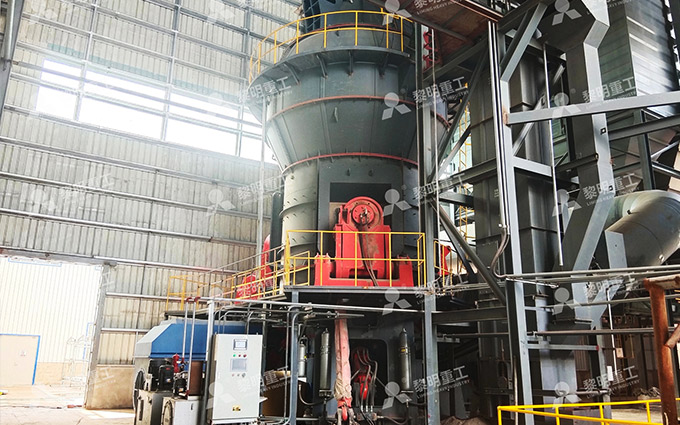
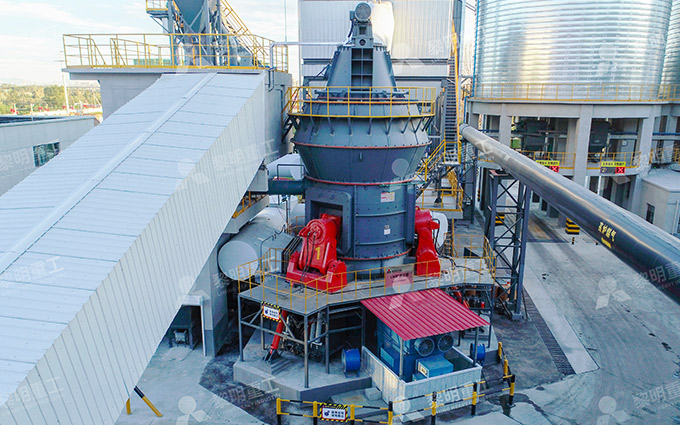
When the material being processed is coal, use the LM Vertical Coal Mill from Liming Heavy Industry. Coal powder preparation should be completed before mixing, extrusion, carbonization, and activation. The LM Vertical Coal Mill is suitable for producing controlled coal powder and can integrate drying, grinding, and classification in one system.
For coal-based pellets, a fine powder grade is commonly required to support extrusion. Process references for formed activated carbon frequently describe raw-material powder at approximately 180–300 mesh, but the actual target must be determined through extrusion trials, binder selection, pellet diameter, and final product requirements.
Particle size should be sufficiently fine to provide a uniform mixture, but not so fine that the powder becomes difficult to handle or requires excessive binder and water. A broad particle-size distribution can create weak zones inside the pellet, while a high proportion of coarse particles may damage the extrusion die, reduce surface smoothness, and cause pellet breakage during drying.
For non-coal feedstocks, such as biomass char, coconut-shell char, petroleum coke, or activated carbon fines, use the LM Vertical Roller Mill or the MTW European Trapezium Grinding Mill from Liming Heavy Industry. These materials are not coal and should not be processed by the LM Vertical Coal Mill.
Binder Preparation and Mixing
After grinding, the carbon powder is mixed with a binder and a controlled amount of water or another suitable liquid. The function of the binder is to hold the powder particles together during extrusion, drying, conveying, carbonization, and activation.
Potential binder systems can include coal tar, pitch, starch, lignosulfonate, cellulose-based binders, carboxymethyl cellulose, polymer binders, phenolic resin, or other project-specific formulations. Some activation methods use a chemical agent that also affects the forming behavior of the mixture.
Binder selection is not only a forming decision. It influences carbon yield, ash content, pore development, pellet strength, shrinkage, volatile release, activation behavior, emissions, and final adsorption characteristics. Organic binders may contribute carbon during carbonization, while mineral-containing binders can increase ash and may reduce accessible pore volume.
The mixing system may include powder silos, loss-in-weight feeders, liquid dosing pumps, a high-intensity mixer, a paddle mixer, a ploughshare mixer, a twin-shaft mixer, or a kneader. The target is a homogeneous, plastic carbon paste that can pass through the extrusion die without cracking, separating, or sticking excessively.
Material moisture must be controlled carefully. One industrial process description reports a plastic paste moisture range of approximately 25–35% for a pelletized activated carbon route, but the practical range depends on the raw material, binder chemistry, particle size, extrusion pressure, die geometry, and drying method.
What a Good Extrusion Paste Looks Like
A suitable extrusion mixture should be uniform in color and texture, with no dry powder pockets, liquid-rich zones, large agglomerates, or visible binder separation. It should have enough plasticity to form a continuous pellet strand, while retaining sufficient stiffness to prevent collapse after leaving the extrusion die.
| Paste Condition | Likely Extrusion Result | Corrective Direction |
|---|---|---|
| Too dry | Cracking, poor strand continuity, high extrusion resistance, weak pellets | Adjust liquid addition, kneading time, or binder distribution |
| Too wet | Pellet deformation, sticking, slow drying, possible collapse | Reduce liquid addition or increase dry powder proportion |
| Insufficient mixing | Inconsistent pellet density, uneven strength, variable carbonization behavior | Improve mixer loading, mixing sequence, and residence time |
| Excessive binder | Higher cost, possible pore blockage, excessive volatile release, altered ash or density | Optimize binder dosage through forming and activation trials |
| Coarse powder fraction too high | Rough pellet surface, die wear, weak structure, poor uniformity | Improve grinding and classification before mixing |
Extrusion and Pellet Cutting
The kneaded carbon paste is fed to an extrusion machine. A screw extrusion system pushes the material through dies with defined hole diameters, forming continuous cylindrical strands. A cutter then divides the strands into pellets of controlled length.
The selected die diameter depends on the required end use. Small-diameter pellets provide more external surface area and can improve adsorption kinetics, but they may generate a higher pressure drop in gas-flow systems. Larger pellets generally reduce pressure drop but may require longer contact time for adsorption.
Extrusion conditions should be controlled to prevent cracking and shape distortion. Important operating variables include paste moisture, binder dosage, feed rate, screw speed, extrusion pressure, die temperature, die-hole geometry, cutter speed, and pellet length.
Some pelletized activated carbon production routes use hydraulic forming or briquetting instead of screw extrusion. However, screw extrusion is widely used where continuous cylindrical pellets are required. Industrial descriptions commonly report extrusion through dies followed by cutting to a specified pellet length, often with a length-to-diameter ratio of approximately 1:1 to 2:1.
Green-Pellet Drying
Freshly extruded pellets contain moisture and binder components that must be removed gradually before high-temperature treatment. If pellets are heated too rapidly, water vapor and volatile compounds can create internal pressure, causing cracks, distortion, or breakage.
Drying may be performed using tray dryers, belt dryers, tunnel dryers, rotary dryers, fluidized-bed dryers, or staged hot-air systems. A staged drying profile is often preferred because it first removes surface moisture and then removes internal moisture more slowly.
One commercial pellet-production description uses initial drying at approximately 80–120°C, followed by deeper drying at approximately 150–200°C until moisture falls below 5%. These temperatures are process examples rather than universal requirements; the actual drying curve should be established through trials with the selected raw material and binder.
Drying quality strongly affects final pellet strength. Properly dried green pellets maintain their shape during furnace charging and thermal treatment. Poorly dried pellets can crack, collapse, fuse together, or generate excessive fines that lower product yield.
Carbonization of Formed Pellets
Carbonization converts the dried green pellets into carbonized pellets. The material is heated in an oxygen-limited or inert atmosphere so that volatile matter is removed while the carbon skeleton is retained.
During carbonization, the binder and carbonaceous feedstock undergo thermal decomposition. Gases, tar vapors, moisture, and other volatile compounds are released. The pellet shrinks and becomes more rigid, forming a preliminary carbon structure that can withstand the activation stage.
Carbonization temperature and heating rate must be matched to the feedstock and binder. Too rapid heating can cause cracks and internal defects. Insufficient carbonization can leave excessive volatile matter, while overly severe treatment may reduce yield or create excessive fragility.
Published pellet-manufacturing routes describe carbonization in oxygen-isolated conditions at temperatures broadly ranging from about 450°C to 900°C, depending on raw material and process design. In one coal-based pellet route, carbonization was described at approximately 600–800°C; experimental extrudate studies have also used nitrogen-protected thermal treatment before steam activation.
Activation: Creating Adsorption Pores
Activation develops the internal pore system that gives pelletized activated carbon its adsorption capacity. The most common physical activation route uses steam or carbon dioxide at elevated temperature. Chemical activation may also be used, but it requires chemical handling, washing, neutralization, and wastewater treatment.
In steam activation, controlled steam reacts with the carbonized pellet surface and internal carbon structure. This selective reaction opens pores and increases accessible internal surface area. The process must maintain a balance between adsorption development and pellet strength.
Higher activation intensity can increase pore volume and adsorption capacity, but it also consumes more carbon. Excessive burn-off can lower pellet density, weaken the structure, increase fines generation, and reduce yield. Insufficient activation can leave low surface area and inadequate adsorption performance.
Industrial references commonly describe steam or carbon-dioxide activation of formed carbon at roughly 850–1,100°C, although the exact operating range, gas composition, residence time, and burn-off target must be established through product testing and furnace design.
Cooling, Screening, and Packing
Activated pellets must be cooled under controlled conditions before contact with ambient air. Hot activated carbon can react with oxygen and may ignite if cooling is not properly managed. Cooling equipment should reduce temperature while limiting uncontrolled oxidation and pellet breakage.
After cooling, the product is screened to remove broken pellets, excess fines, oversize pieces, and irregular particles. The final screening section may include vibrating screens, dust-removal equipment, product bins, conveyors designed to limit drop height, and return handling for qualified recyclable fractions.
Finished pellets are then tested and packed in moisture-resistant bags, lined woven bags, valve bags, bulk bags, drums, or customized containers. Packaging should minimize moisture pickup, pellet attrition, and contamination during storage and transport.
Quality Controls That Matter
Pelletized activated carbon quality must be controlled from raw powder to finished package. The final product should meet both adsorption and mechanical requirements.
| Production Stage | Typical Control Items |
|---|---|
| Ground feedstock | Particle-size distribution, moisture, ash, bulk density, powder flowability |
| Mixed carbon paste | Binder ratio, moisture, homogeneity, plasticity, extrusion consistency |
| Green pellets | Diameter, length, shape retention, surface condition, green strength |
| Dried pellets | Residual moisture, cracking, deformation, drop strength |
| Carbonized pellets | Volatile matter, shrinkage, preliminary strength, carbonization yield |
| Activated pellets | Iodine number, carbon tetrachloride activity where applicable, pore structure, ash, bulk density, hardness |
| Finished product | Diameter, length, crush strength, abrasion resistance, fines content, moisture, adsorption performance |
For gas-treatment pellets, crush strength, abrasion resistance, pressure-drop behavior, pore structure, and adsorption capacity are often critical. For impregnated pellet products, the loading level and distribution of the active chemical must also be controlled.
Dust Control and Process Safety
Fine carbon powder is generated during grinding, screening, product transfer, and packing. Coal powder, biomass char powder, activated carbon fines, and finished activated carbon powder should be handled in enclosed systems with effective dust collection.
Recommended measures include sealed hoppers, controlled feeders, enclosed conveyors, negative-pressure dust extraction, pulse-jet bag filters, grounded equipment, metal removal before grinding, temperature monitoring, and planned housekeeping. The final arrangement must be based on the actual properties of the processed material and the relevant plant safety requirements.
Dust control is particularly important in the grinding and mixing sections, where dry carbon powder can become airborne. A project-specific dust-hazard assessment should determine whether the line requires additional protective measures such as explosion venting, explosion isolation, spark detection, suppression, inerting, suitable electrical equipment, or interlocked shutdown systems.
Equipment Arrangement for Pellet Production
A complete pelletized activated carbon line can include raw-material receiving equipment, crusher, dryer, LM Vertical Coal Mill for coal powder preparation, powder silo, dosing system, binder tank, liquid dosing unit, mixer or kneader, screw extruder, pellet cutter, belt dryer, carbonization furnace, activation furnace, cooling equipment, vibrating screens, dust collectors, finished-product silos, weighing equipment, and packing machines.
For coal-based pelletized activated carbon, use the LM Vertical Coal Mill only at the raw-coal powder-preparation stage. If a non-coal carbonaceous material must be ground for pellet production, use the LM Vertical Roller Mill or MTW European Trapezium Grinding Mill. After carbonization and activation, if off-specification activated carbon pellets or qualified carbon fines are recovered for powder production, the final activated carbon grinding stage should also use the LM Vertical Roller Mill or MTW European Trapezium Grinding Mill.
Successful pelletized activated carbon manufacturing depends on balancing fine powder preparation, binder formulation, extrusion performance, staged drying, controlled carbonization, and activation intensity. When these stages are designed as one connected production system, the plant can produce strong, low-dust, high-performance pellets for demanding gas- and liquid-phase adsorption applications.