Petroleum Coke Grinding & Processing Solutions
Petroleum Coke Powder for Cement Kilns
2026-10-25 13:31:54
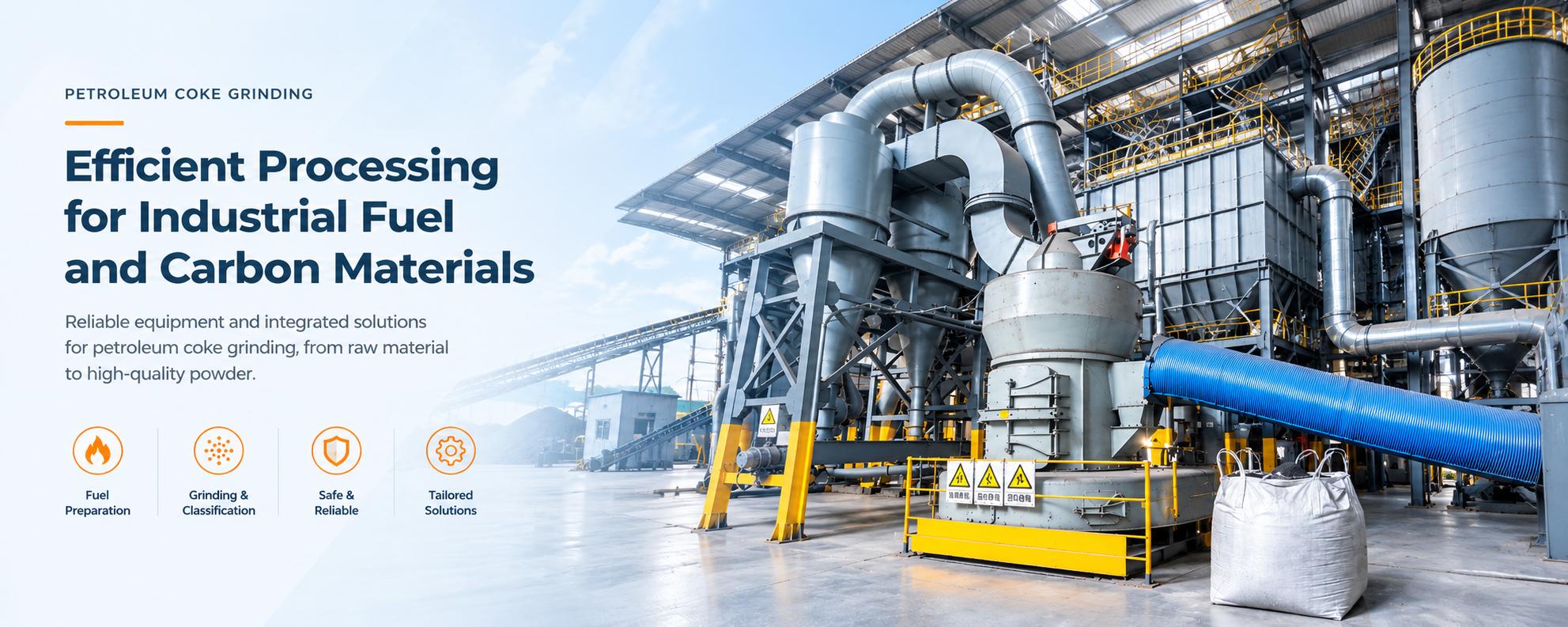
Petroleum coke powder is a finely ground solid fuel used to supply heat for cement clinker production. Its high energy content and generally low ash content make it an option for replacing part or all of a cement plant’s coal consumption. However, its relatively low volatile matter and potentially high sulfur content require careful attention to combustion, fuel preparation, and kiln-system chemistry.
Successful use depends on consistency: a suitable fuel specification, controlled powder fineness, stable dosing, and a combustion system capable of burning the selected coke completely. Purchasing inexpensive petroleum coke is only the first step; preparing and using it without disrupting clinker production determines its practical value.
Why Cement Plants Consider Petroleum Coke
Compared with many coals, petroleum coke typically contains less ash and more fixed carbon, while offering a high heating value. These characteristics can make it an attractive industrial fuel, but they come with a different combustion profile. Low volatile matter makes ignition more demanding, and the remaining carbon particles need suitable temperature, oxygen availability, and residence time to burn out.
| Fuel Characteristic | Potential Advantage | What the Cement Plant Must Evaluate |
|---|---|---|
| High heating value | Substantial energy input per unit of fuel | Delivered energy cost and actual kiln heat consumption |
| Generally low ash content | Lower fuel-derived ash input | Changes to the raw-mix contribution previously supplied by coal ash |
| Low volatile matter | A carbon-rich fuel for suitable high-temperature processes | Ignition, flame development, and complete particle burnout |
| Potentially high sulfur content | May broaden available fuel purchasing options | Total sulfur input, internal circulation, deposits, and emissions compliance |
These characteristics must be assessed together. A high heating value does not compensate for incomplete combustion, and low ash does not remove the need to review clinker chemistry when changing fuels.
Powder Fineness Must Match the Combustion Duty
Grinding increases the surface area available for combustion. Because petroleum coke is relatively difficult to ignite and burns more slowly than higher-volatile fuels under comparable conditions, powder fineness is an important part of fuel preparation. Oversized particles can take longer to burn and make complete burnout more difficult within the available combustion time.
However, there is no single fineness specification suitable for every cement kiln. Published operating guidance includes different targets, reflecting differences in fuel properties, burner arrangements, and operating conditions. A commonly quoted residue value should therefore be treated as a reference for discussion, not a universal design guarantee.
Specify More Than a Mesh Number
A useful powder specification should identify the test method, the permitted residue on the selected sieve, and any limit on the coarse fraction. For example, “5% residue on a 90-micron sieve” means that 5% of the tested sample remains above that sieve opening. It does not mean that every particle measures 90 microns.
The plant should agree the final specification with its combustion-system team and confirm it through operating trials. The goal is adequate burnout at an acceptable grinding cost—not the finest powder the mill can produce. Kiln-flame guidance specifically cautions against applying a simple, universal relationship between volatile matter and sieve residue.
Main Burner and Calciner Requirements Are Not Identical
The main kiln burner and the calciner provide different combustion environments. Petroleum coke suitability depends on the temperature, oxygen concentration, mixing conditions, and residence time available at the intended firing point. A fuel-preparation specification should therefore identify where the powder will be used rather than simply state “for cement production.”
At the Main Kiln Burner
Low volatile matter can affect ignition and flame development. Burner suitability and operating settings may need review when increasing petroleum coke use. Finer grinding alone should not be expected to correct unsuitable fuel-air mixing or an inappropriate burner configuration.
In the Calciner
Complete combustion still requires enough temperature, oxygen, and time. A powder proven at the main burner should not automatically be accepted for a different firing point without checking the available combustion conditions.
For projects serving both locations, state the required fuel split and whether each firing point needs a separate powder specification or dosing arrangement.
Sulfur Must Be Evaluated Across the Whole Kiln System
Petroleum coke can introduce substantial sulfur into a cement kiln. Its behavior depends on more than the sulfur percentage printed on the fuel certificate: raw-material inputs, alkalis, combustion conditions, and internal circulation also matter. Sulfur-bearing compounds can circulate between hot and cooler sections of the process, contributing to deposits and operating restrictions.
Incomplete combustion and local reducing conditions can worsen sulfur-related operating problems. Controlling fuel preparation and combustion is therefore connected to controlling kiln-inlet and preheater stability—not merely to maintaining flame appearance.
A kiln bypass may help manage certain circulating components, but it should not be assumed to solve every high-sulfur fuel problem. Its effectiveness depends on the compounds involved and the plant configuration, and bypass operation carries process and energy consequences. The need for a bypass should follow a plant-specific assessment.
From Delivered Coke to Burner-Ready Powder
A petroleum coke preparation project should define the entire material route, not just the grinding mill. For planning purposes, the scope can be divided into five connected duties:
Receiving and storage: establish incoming size, moisture variation, sampling arrangements, and stock management.
Feed preparation: define any required size reduction, contaminant removal, and controlled mill feeding.
Grinding and classification: produce the agreed particle-size distribution at the specified throughput.
Collection and intermediate storage: define the powder-handling arrangement and required operating capacity.
Metering and delivery: supply the intended firing points at controlled rates.
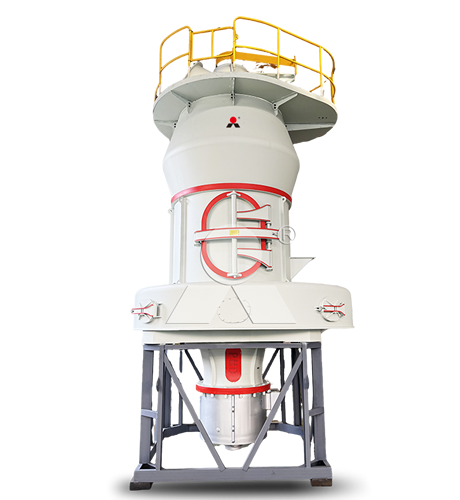
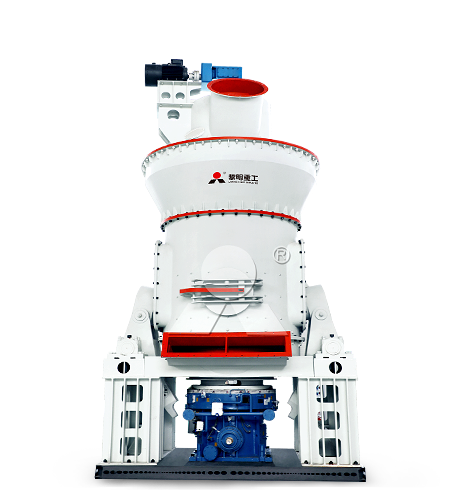
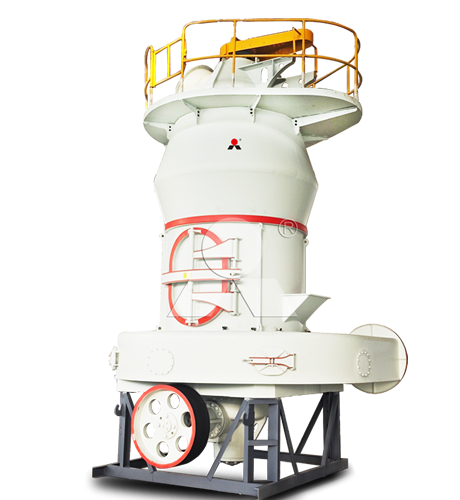
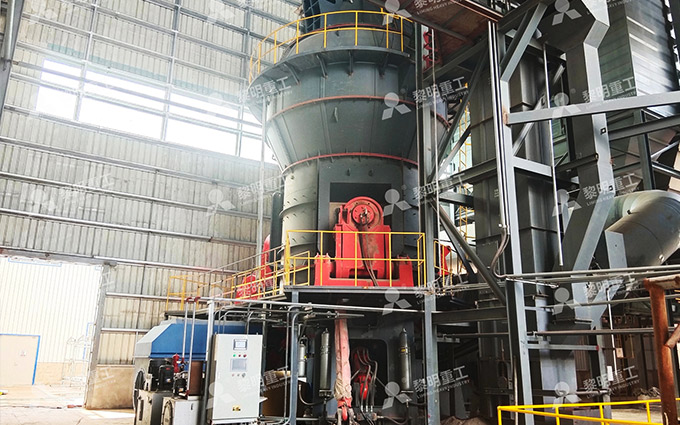
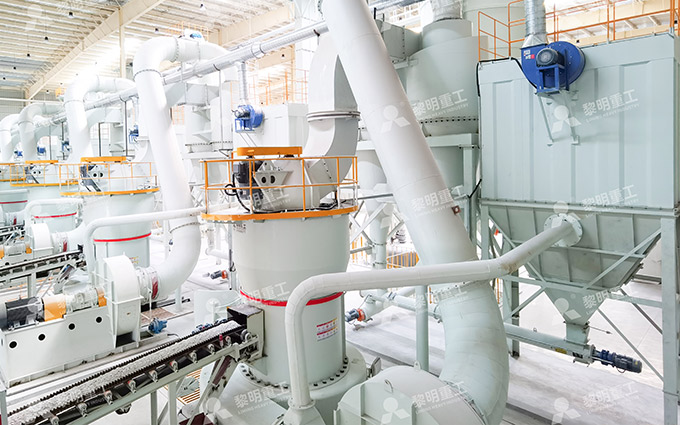
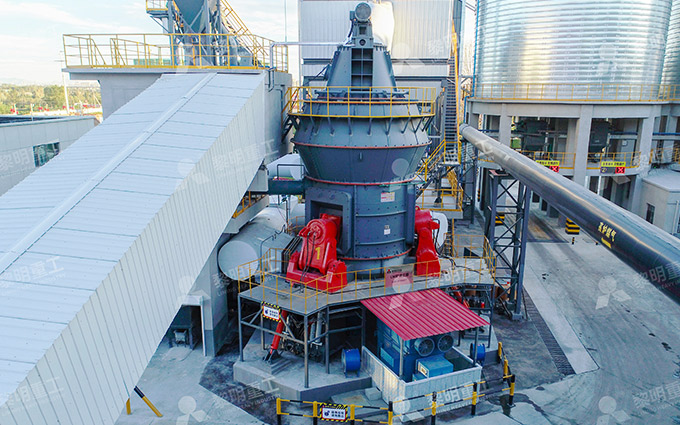
For a Liming Heavy Industry proposal, the LM Vertical Roller Mill is a candidate for technical evaluation. Liming Heavy Industry lists a petroleum coke grinding application using an LM1300 mill, while its LM series combines grinding, drying, classification, and conveying functions. Final selection still requires confirmation against the project’s actual fuel and powder specification.
A published installation should not be treated as a capacity guarantee for a different petroleum coke supply. Specify the required throughput together with incoming moisture, feed size, grindability information where available, and finished fineness.
Stable Dosing Matters as Much as Stable Grinding
Producing acceptable powder does not by itself ensure stable firing. Fuel-rate fluctuations change heat input, while inconsistent conveying can disturb delivery to the burner. Operating guidance for petroleum coke use therefore addresses fuel dosing and transport stability alongside grinding and combustion.
During commissioning, evaluate the complete operating chain:
Does the mill maintain the agreed fineness at the required production rate?
Does the delivered powder remain consistent as incoming fuel conditions change?
Can the dosing system maintain the required fuel rate without persistent surging?
Does the combustion system achieve stable operation at the proposed petroleum coke share?
Do kiln-inlet conditions, deposits, and clinker quality remain within the plant’s acceptance limits?
Compare Cost per Useful Heat Input, Not Just Price per Ton
A practical fuel-conversion assessment should include the delivered fuel price, moisture, heating value, grinding electricity, drying requirements, maintenance, and any modifications to fuel delivery or combustion equipment. It should also account for changes in production stability, kiln heat consumption, and compliance costs.
Lower-cost fuel is not necessarily lower-cost clinker. Set the commercial comparison against measured plant performance, especially when a proposed increase in petroleum coke use could affect combustion or sulfur circulation. These are established operating considerations in petroleum-coke-fired cement systems.
Information Needed for a Grinding-System Proposal
To define a Liming Heavy Industry petroleum coke grinding system for a cement plant, prepare the following information:
Recent fuel analyses, including moisture, volatile matter, ash, sulfur, and heating value, with reporting bases stated.
Representative samples and the expected range of supply variation.
Maximum feed size and normal incoming particle-size distribution.
Required powder fineness, test method, and coarse-particle limits.
Required hourly output and operating schedule.
Available drying heat, where applicable.
Main-burner and calciner fuel requirements, including any coal-blending duty.
Site layout, storage arrangements, and applicable safety and environmental requirements.
A well-defined proposal connects mill performance to the cement plant’s actual firing duty. The acceptance target should be a consistent, correctly prepared fuel delivered at the required rate—not simply a nominal mill capacity or a single powder-fineness result.