Petroleum Coke Grinding & Processing Solutions
Petroleum Coke Grades and Their Applications
2026-10-25 13:30:41
Petroleum coke grades are commonly described by their intended use: fuel-grade coke for industrial energy, anode-grade coke for aluminum production, and specialty coke for graphite electrodes, synthetic graphite, and other carbon products. Calcined petroleum coke also serves steelmaking and titanium dioxide production. These categories describe different requirements—not a simple ranking from poor to premium.
The practical starting point is the application. A material suitable for combustion may not meet the requirements of an aluminum anode plant, while a specialty coke selected for graphite production may offer no practical advantage in a fuel-preparation project.
Understanding the Names on a Petroleum Coke Specification
Petroleum coke terminology combines several classification systems. “Green” and “calcined” describe processing condition. “Fuel-grade” and “anode-grade” describe application suitability. “Needle coke” identifies a specialized coke associated with demanding graphite applications. These descriptions can overlap: producers supply both green and calcined specialty petroleum coke, and graphite-anode projects may qualify more than one type of coke feedstock.
| Commercial Description | What It Identifies | Main Application Direction | Important Limitation |
|---|---|---|---|
| Fuel-grade petroleum coke | Coke supplied primarily for its energy value | Industrial combustion | Suitability depends on the receiving process and permitted fuel characteristics |
| Anode-grade green petroleum coke | Green coke selected as feedstock for anode-related processing | Calcination followed by qualified carbon-anode manufacture | The green feed must meet the calciner’s and end user’s requirements |
| Calcined petroleum coke | Coke that has undergone controlled high-temperature treatment | Aluminum anodes, selected steelmaking uses, titanium dioxide, and other carbon applications | Calcined condition alone does not establish the final application grade |
| Petroleum needle coke | A specialized coke used in demanding graphite applications | Graphite electrodes and selected synthetic-graphite production routes | Requires application-specific qualification rather than substitution by name alone |
Major producers distinguish fuel coke from specialty coke and identify separate markets within the specialty category. A purchase specification should preserve these distinctions rather than use “petroleum coke” as a complete material description.
Fuel-Grade Petroleum Coke: Selected for Industrial Energy
Fuel-grade petroleum coke is supplied to industrial users as a combustible carbon-rich material. It belongs to a different purchasing category from coke selected for aluminum anodes or graphite products: its principal role is to provide energy rather than become a qualified carbon component.
For a fuel project, the commercial grade name should be supported by a detailed acceptance specification. The buyer should establish:
The required heating value and its reporting basis.
Permitted sulfur, ash, and relevant trace-element levels.
Acceptable moisture and volatile-matter ranges.
Incoming particle size and allowable variation between deliveries.
The finished-powder specification required by the combustion system.
A useful comparison therefore goes beyond price per delivered ton. Evaluate each offer against the same material basis, preparation requirements, and receiving-process limits. Do not assume that a lower purchase price compensates for an unsuitable fuel specification.
Anode-Grade Coke: A Qualified Feedstock for Aluminum Production
In aluminum production, suitable green petroleum coke is calcined to produce a critical raw material for carbon anodes. The suitability of the original feed matters because calcination is part of a controlled production route, not a substitute for raw-material qualification.
The term “anode-grade” should therefore refer to a defined acceptance standard. A supplier’s label is not enough to establish that a shipment will perform correctly in a particular calciner or anode plant.
For procurement, request the customer-approved limits for chemistry and physical properties, together with the applicable test methods. Where a property must be measured after calcination, specify the sample-preparation and testing conditions as well. This keeps a green-coke purchasing specification connected to the properties needed in the eventual carbon product.
Anode-Grade Does Not Mean Finished Anode Material
Anode-grade green petroleum coke is an upstream feedstock. Calcined petroleum coke is a further-processed raw material used in anode manufacture. Neither description means that the material is already a finished aluminum-smelting anode. Keeping these stages separate helps prevent errors in supply contracts and processing-line scope.
Needle Coke: A Specialty Material for Graphite Products
Petroleum needle coke is associated with graphite electrodes used in electric arc furnace steelmaking. Specialty petroleum coke also provides feedstock for synthetic graphite used in lithium-ion battery anodes. Producers qualify these materials for their downstream manufacturing routes rather than treating them as ordinary fuel coke.
The distinction is important when discussing battery materials. Coke is a precursor for synthetic graphite; it is not automatically a finished battery-anode material. Further processing and product qualification remain necessary.
Likewise, needle coke is not the only petroleum-derived feedstock that may be considered for synthetic graphite. A reported supply agreement for a graphite-anode facility includes both anode-grade green petroleum coke and calcined needle coke, illustrating that feed selection depends on the producer’s process and product requirements.
Calcined Coke for Steelmaking, Titanium Dioxide, and Other Carbon Uses
Calcined petroleum coke serves markets beyond aluminum. Producers identify steel, titanium dioxide, graphite, refractory, and other specialty-carbon applications among its downstream uses. These markets do not all require the same material specification.
Steel and Foundry Carbon Additions
Selected calcined petroleum coke grades are supplied for steel-related applications. For a carbon-addition project, specify the required carbon contribution, impurity limits, and particle-size range rather than assuming that any available CPC will be acceptable. The product should be approved against the receiving operation’s requirements.
Titanium Dioxide Production
Calcined petroleum coke is also a raw material used in titanium dioxide production. This is a distinct industrial application with its own qualification requirements, not simply an alternative outlet for any calcined coke shipment.
Other Carbon and Refractory Products
Petroleum-derived carbon materials serve graphite and refractory industries as well. For these projects, the final product specification should determine the permitted feedstock and preparation route. A material accepted by one carbon-product manufacturer should not automatically be considered interchangeable at another plant.
Why Sulfur Content Alone Cannot Define the Grade
Descriptions such as “low-sulfur coke” can help screen potential supplies, but they do not establish complete application suitability. The petroleum coke market includes several distinct end uses, each requiring its own combination of material properties. A sulfur result cannot, by itself, establish that a material is suitable for aluminum anodes, graphite electrodes, or battery-related graphite production.
For a practical purchasing comparison, assess the complete specification:
Chemistry: sulfur, ash, relevant metals, and other restricted components.
Processing condition: green, calcined, or another explicitly stated treatment condition.
Physical properties: the characteristics required by the receiving process.
Particle size: both the delivered feed and the required finished product.
Consistency: acceptable variation within a shipment and between supply batches.
Avoid adopting universal sulfur bands as a substitute for customer-approved limits. State the actual acceptance values, reporting basis, and test methods in the contract.
Matching the Grade to a Petroleum Coke Grinding System
Grade selection and powder preparation should be treated as separate decisions. First establish whether the material meets the end-use requirements. Then define how it must be prepared. A finer powder should not be presented as evidence that an unsuitable feedstock has become an anode-grade or specialty-grade material.
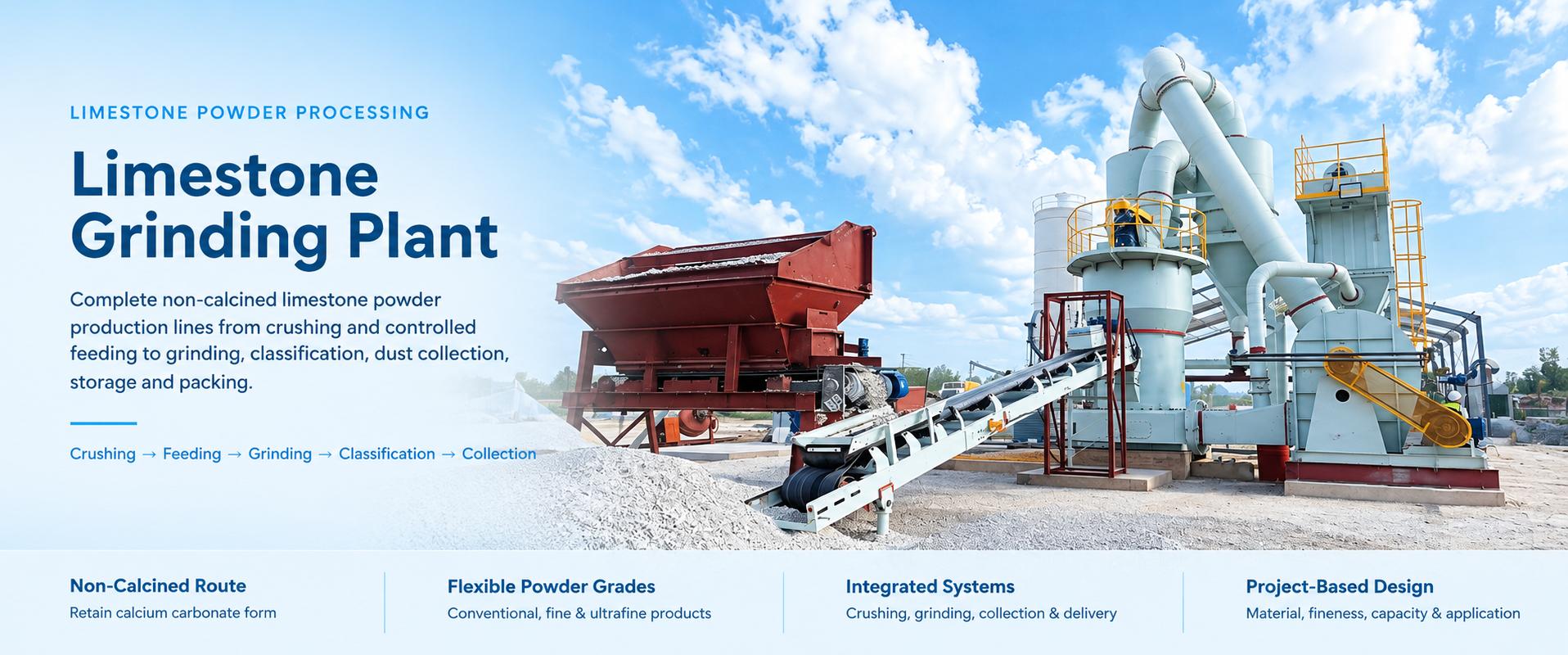
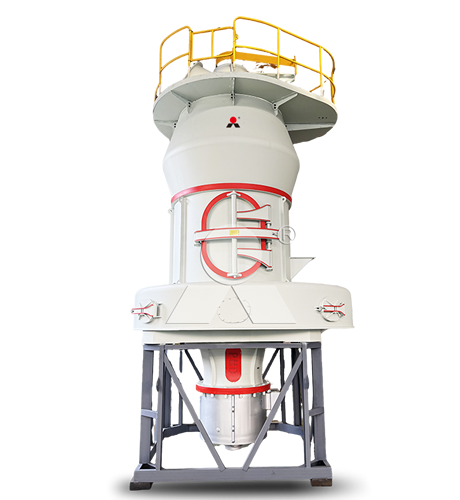
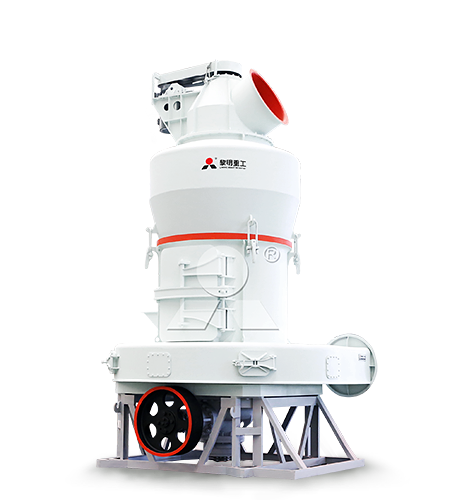
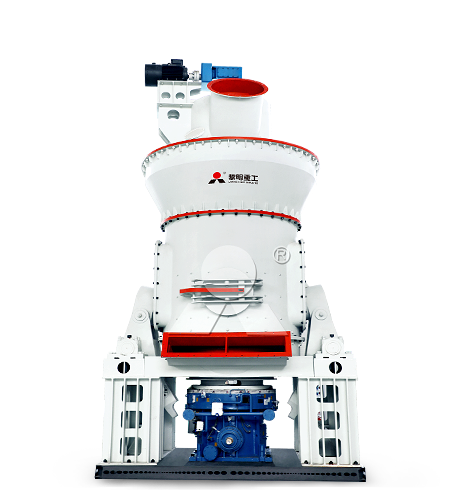
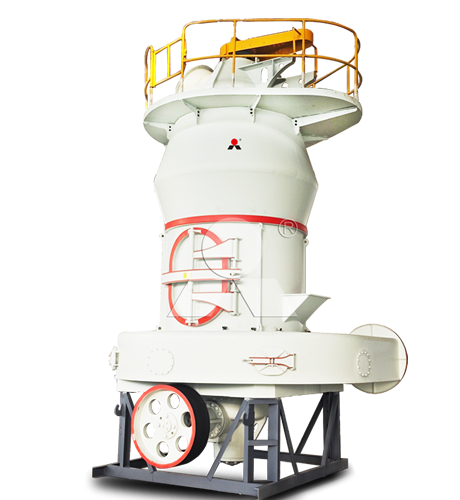
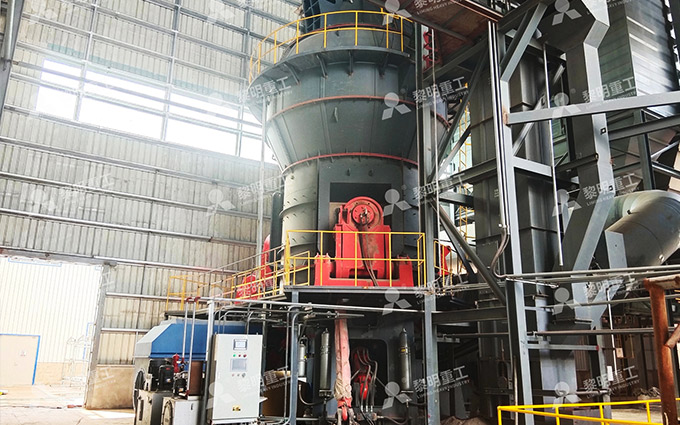
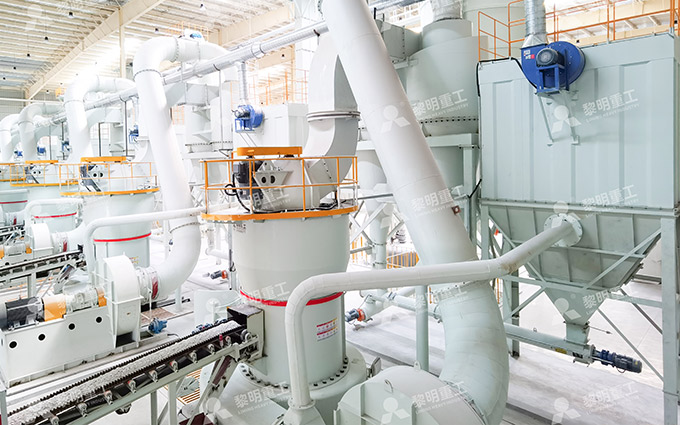
For a Liming Heavy Industry grinding-system proposal, provide a representative sample and a written duty specification covering:
The petroleum coke grade and whether it is green or calcined.
The incoming size distribution and maximum lump size.
The expected moisture range under actual delivery conditions.
The required finished-powder distribution, including any oversize limit.
The required production rate at the specified feed conditions.
Any restrictions on contamination, product handling, or storage.
The Liming Heavy Industry mill configuration should be evaluated against this complete duty rather than selected from the grade name alone. For projects involving different coke supplies, identify the expected operating range before finalizing the equipment scope.
A Practical Grade-Selection Sequence
Start with the finished application, obtain its acceptance specification, and qualify the coke against that specification. Next, establish the required processing condition and particle-size distribution. Only then define the grinding and handling system.
This sequence keeps three different questions separate: whether the coke is chemically suitable, whether it has received the necessary thermal treatment, and whether it has been prepared to the correct physical size. A reliable project specification must answer all three.