Wall Putty Raw Material Processing
Calcium Carbonate for Wall Putty: Properties and Applications
2026-10-20 09:36:16
Calcium carbonate is a major mineral filler in many wall putty formulations. It provides body, supports a smooth finish, and helps manufacturers balance application performance with production cost. However, a powder that looks white and fine in a sample bag does not automatically produce a good putty. Particle-size distribution, coarse residue, mineral cleanliness, moisture, and compatibility with the binder all affect the finished product.
For powder producers, the practical objective is consistency: supplying calcium carbonate that allows putty manufacturers to maintain predictable water addition, spreading behavior, sanding performance, and surface appearance from one batch to the next.
What Does Calcium Carbonate Do in Wall Putty?
Wall putty creates a thin leveling layer between the substrate and the decorative coating. Calcium carbonate forms much of the mineral framework within that layer, while cement, polymer, or other binders hold the particles together and provide adhesion.
Its contribution extends beyond simply increasing the volume of the formulation:
It fills small surface irregularities and helps create an even base for painting.
It contributes to a white, visually uniform background when a suitable mineral grade is used.
Its particle distribution influences packing, spreading resistance, and the feel of the putty under the blade.
It affects the texture and sanding response of the dried surface together with the binder system.
It helps control formulation cost without requiring the binder to provide all of the product’s solid volume.
Calcium carbonate should not be treated as a replacement for the binder. Increasing filler content without maintaining adequate binding capacity can leave a weak or powdery surface. Likewise, a higher calcium carbonate content does not, by itself, establish water resistance or suitability for exterior exposure.
Ground Calcium Carbonate or Precipitated Calcium Carbonate?
Ground calcium carbonate, commonly called GCC, is produced by mechanically processing natural carbonate minerals such as calcite, marble, or limestone. Precipitated calcium carbonate, or PCC, is manufactured through a chemical process that allows different particle structures to be produced.
For a wall putty powder-processing project, GCC is usually the practical starting point. Its suitability depends on the mineral deposit, grinding conditions, and classification performance rather than the raw material name alone. Marble is not automatically suitable because it appears white, and limestone should not be rejected simply because of its geological name. Representative testing is more useful than those labels.
PCC may have a role in specialized formulations, but it should not be substituted for GCC solely on the basis of similar nominal fineness. Differences in particle structure, surface area, and liquid demand can change mixing and application behavior.
The Powder Properties That Matter on the Wall
Particle Size: Check the Distribution, Not Just the Label
A mesh designation is useful for preliminary communication, but it is not a complete product specification. Two calcium carbonate powders sold under the same mesh label can contain different proportions of fine particles and different amounts of coarse material.
For wall putty, this distinction matters in two directions. Coarse particles or hard contaminants can leave scratches and visible drag marks. Excessive fines can increase surface area and alter water demand, viscosity, and additive requirements. The best grade is therefore not necessarily the finest grade available.
A useful specification combines a particle-size distribution with a coarse-residue limit. The median particle size describes the central part of the distribution, while an upper-size indicator helps monitor the coarse end. Neither should replace a residue test when occasional oversized particles could damage the finish.
Whiteness: Compare Measurements and Applied Panels
A white filler supports a clean-looking putty surface, but whiteness alone does not describe the complete visual result. Mineral color, discoloring impurities, binder color, and the condition of the substrate can all influence the applied layer.
Compare suppliers using the same test method and sample preparation. A number obtained with one instrument or measurement condition may not be directly comparable with another supplier’s result. Keep an approved reference sample and assess dried putty panels as well as loose powder.
Purity: Look Beyond Total Carbonate Content
High carbonate content can be desirable, but the identity of the remaining material also matters. Hard mineral particles may cause scratching and increase equipment wear. Clay contamination can affect water demand and workability. Dark mineral inclusions can become visible in a thin, white finishing layer.
Raw-material evaluation should therefore include impurity identification, visual inspection, and application testing rather than relying on a single purity figure.
Moisture: Small Changes Can Disrupt Dry-Mix Production
Variable moisture can encourage caking, interfere with feeding, and reduce the consistency of dry blending. In cement-containing putty, moisture exposure during storage is particularly undesirable because it can impair the stability of the finished dry mix.
Moisture control should extend from incoming stone to powder collection, storage, and packaging. A satisfactory result immediately after grinding does not guarantee the same condition after storage in a humid environment.
Matching the Grade to the Putty Application
| Application | What to Prioritize in the Calcium Carbonate | What to Verify in the Finished Putty |
|---|---|---|
| Interior finishing putty | Controlled coarse residue, consistent color, and a suitable particle distribution | Blade feel, surface smoothness, sanding response, and appearance after painting |
| Cement-based wall putty | Stable moisture, clean mineral composition, and repeatable grading | Water requirement, working time, adhesion, and surface cohesion after curing |
| Ready-mixed polymer putty | Reliable wetting, dispersion, and compatibility with the complete formulation | Viscosity stability, spreading behavior, storage stability, and drying performance |
| Fine skim-coat applications | Particularly careful control of oversized particles and contamination | Scratch-free thin application and an even finish under the intended lighting |
| Exterior putty systems | Consistent filler quality compatible with the specified binder system | Adhesion and durability under the intended moisture and exposure conditions |
Exterior suitability must be established for the complete product. A high-purity or high-whiteness calcium carbonate grade cannot compensate for an unsuitable binder, inadequate curing, or poor substrate preparation.
From Mineral Feed to a Reliable Putty Filler
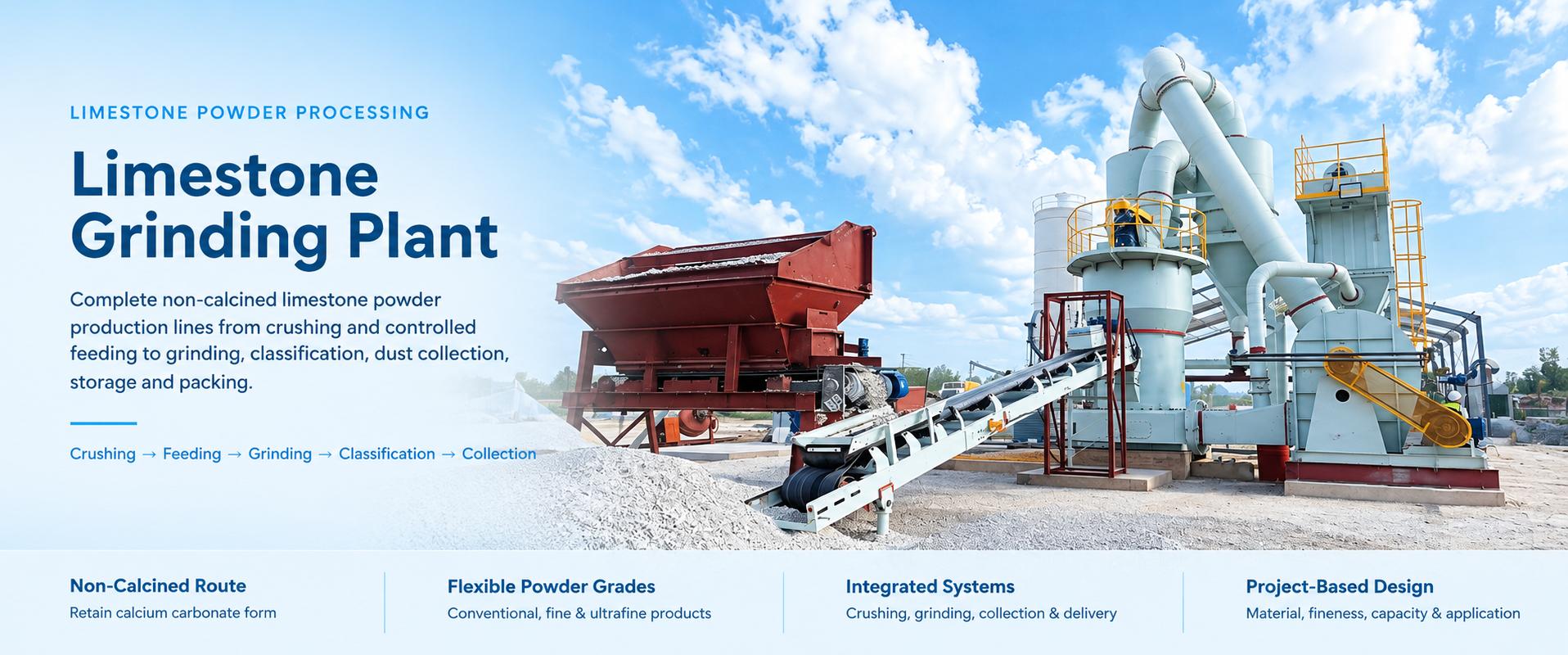
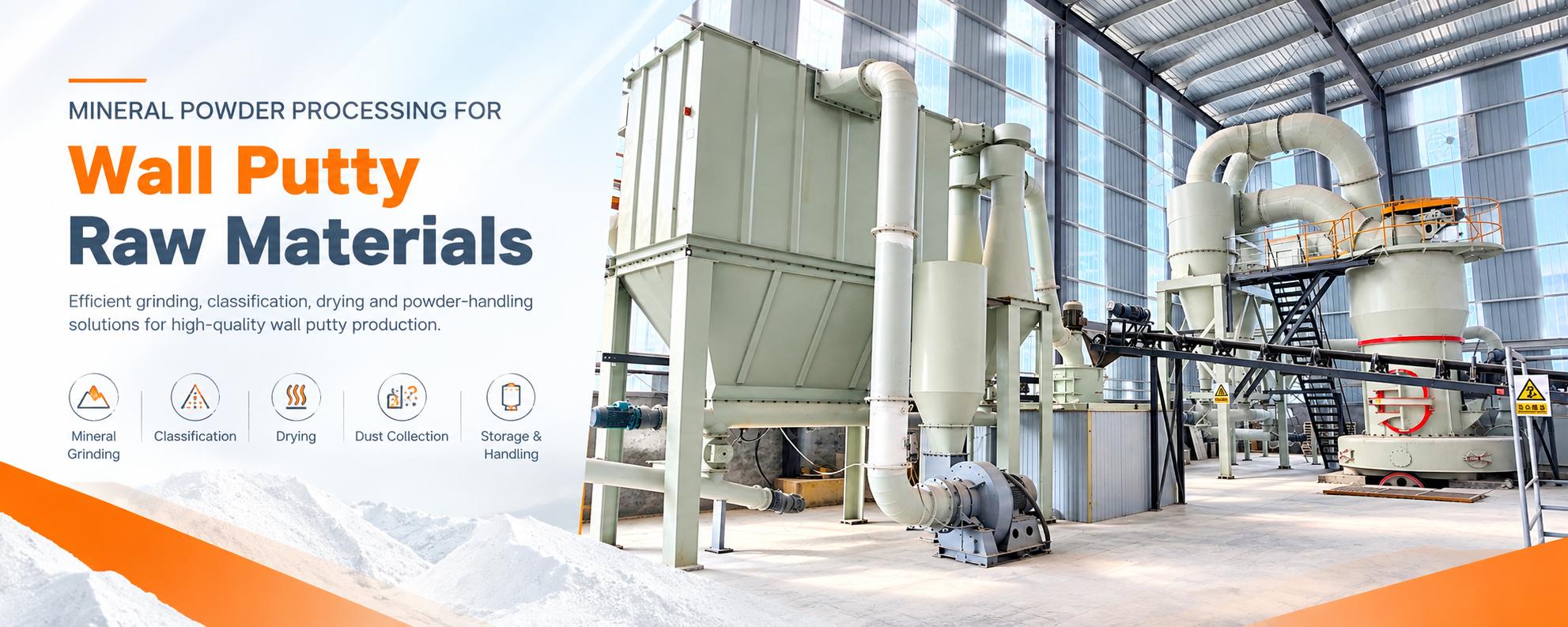
A practical calcium carbonate production line includes raw-material selection, crushing where required, controlled feeding, grinding, classification, powder collection, and protected storage. Each stage should preserve the agreed powder specification.
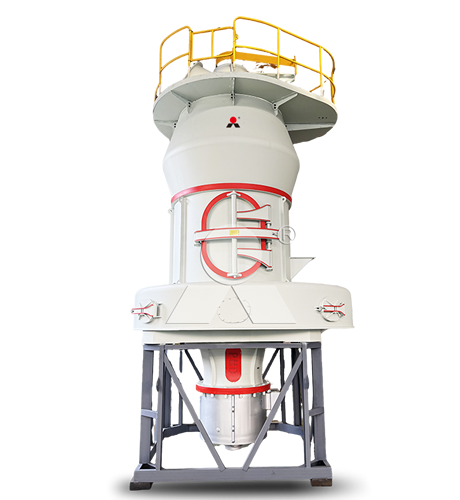
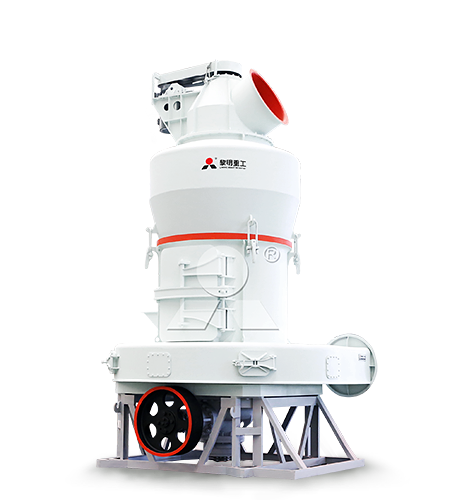
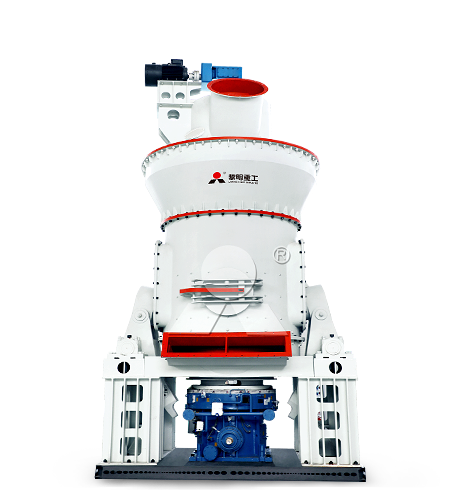
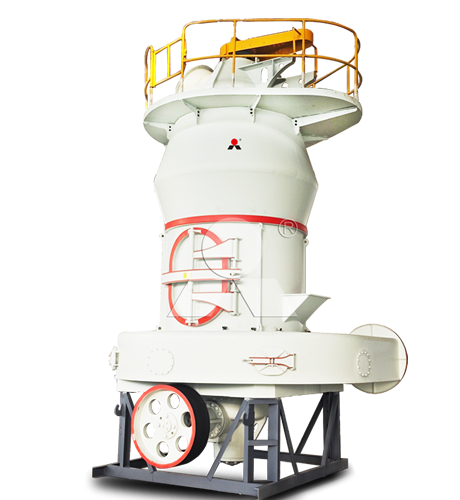
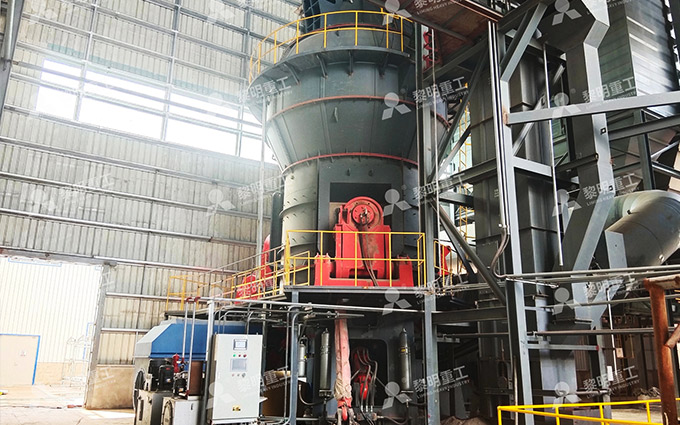
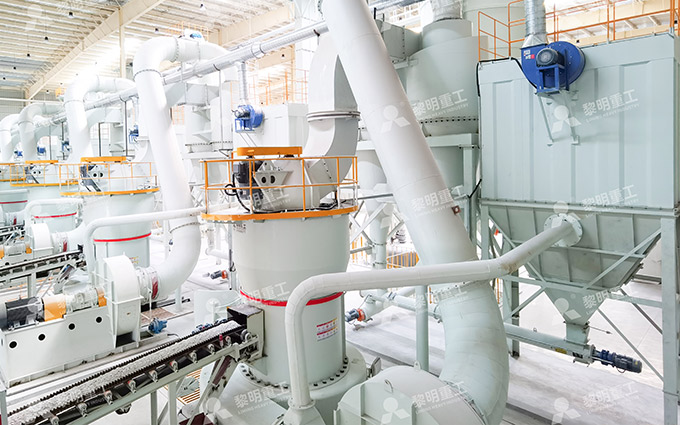
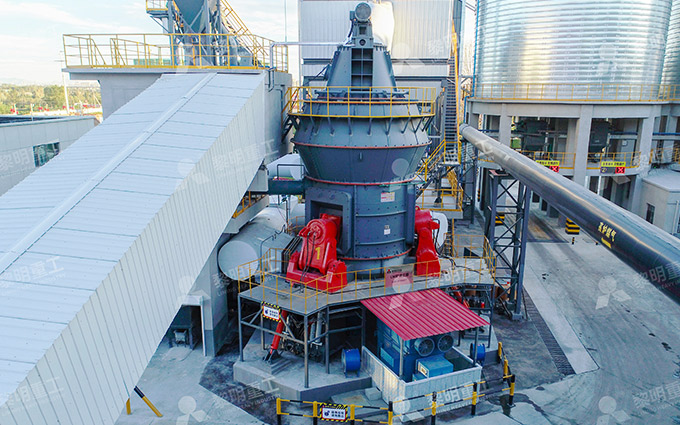
For conventional calcium carbonate grades, the Liming Heavy Industry MTW European Trapezium Mill is a candidate for evaluation. Where a finer product is genuinely required, the Liming Heavy Industry LUM Ultrafine Vertical Mill provides another processing route. Equipment selection should follow the required particle-size distribution and production rate, rather than a general assumption that finer powder always produces better putty.
Before selecting a mill configuration, define the feed size, moisture, mineral composition, target output, and acceptable coarse residue. Trial grinding should confirm the achievable powder quality at the required production rate. Maximum throughput and finest achievable product should not be assumed to occur under the same operating conditions.
Classification deserves particular attention. A mill may produce a satisfactory average fineness while still allowing an unacceptable coarse fraction into the finished powder. Stable feeding, suitable classifier settings, and checks for contamination help maintain the surface quality expected by putty customers.
When the Putty Performs Poorly, What Should You Check?
Scratches appear during spreading
Check coarse residue, hard mineral contamination, agglomerates, and contamination introduced during handling. Increasing average fineness alone may not remove the cause.
The same recipe suddenly needs more water
Compare the new powder with the approved sample for particle distribution, moisture, and mineral composition. Also check additive dosing and mixing conditions before attributing the change entirely to the filler.
The dried surface looks uneven or discolored
Inspect powder color consistency and possible contamination, then examine the binder, substrate, mixing water, and drying conditions. Loose-powder whiteness is only one part of the investigation.
The surface powders easily or bonds poorly
Review binder content, substrate preparation, water addition, and curing. Calcium carbonate grading can influence the formulation, but a filler adjustment is not a substitute for adequate binding capacity.
Approve the Powder Through a Putty Trial
The most useful qualification test is a controlled comparison in the customer’s actual formulation. Begin with the existing recipe and mixing procedure so that the effect of changing the calcium carbonate can be observed clearly.
Compare the candidate powder with an approved reference for color, moisture, particle distribution, and coarse residue.
Prepare putty batches under the same mixing conditions and record any change in water requirement.
Apply the batches to the same substrate at a controlled thickness.
Assess spreading, blade marks, working time, sanding, and dried-surface quality.
Check adhesion and the performance requirements relevant to the intended interior or exterior use.
Confirm the result with repeat production batches before adopting the specification.
For a new calcium carbonate processing project, provide a representative raw-material sample, the intended putty application, the required hourly output, and a reference powder or finished-product specification. These details give Liming Heavy Industry a practical basis for evaluating the grinding and classification system around the powder the customer actually needs.