Wall Putty Raw Material Processing
Limestone Powder for Wall Putty: Processing Considerations
2026-10-20 09:38:33
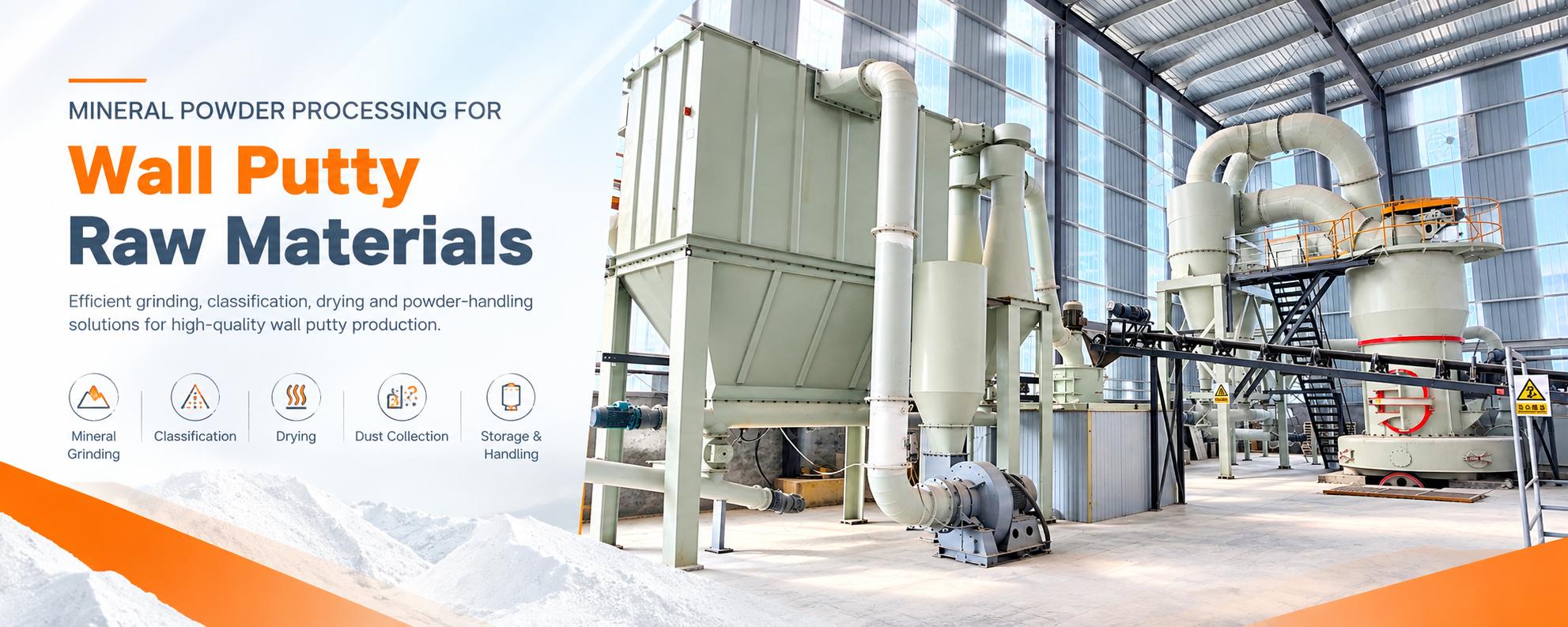
Producing limestone powder for wall putty requires more than reducing stone to a fine powder. The finished filler must spread smoothly in the formulation, avoid visible scratches, maintain consistent color, and behave predictably during mixing. These requirements place particular importance on raw-material selection, moisture control, grinding, classification, and clean powder handling.
The practical starting point is application: define the putty performance the powder must support, then design the processing system around that specification. A limestone powder suitable for another construction application may not meet the surface-finish requirements of a thin wall putty layer.
Start with the Stone, Not the Mill
Limestone deposits vary in mineral composition, color, texture, and contamination. Even material supplied from the same quarry can change as extraction moves between layers. A successful laboratory sample therefore needs to represent the material the plant will actually receive, not just the cleanest stone available.
For wall putty production, assess incoming limestone against several practical questions:
Does its natural color meet the intended finished-powder requirement?
Are clay seams, weathered surfaces, or dark inclusions present?
Does the material contain hard abrasive minerals that could increase wear or leave coarse residue?
How much does moisture change between dry and rainy periods?
Can the supplier maintain reasonably consistent material over the expected production period?
Mineral composition matters alongside fineness. Limestone fillers can contain different amounts of clay, quartz, and dolomite, and these differences can accompany changes in water requirement and other physical characteristics. Grinding alone should not be expected to eliminate the effects of an unsuitable feedstock.
Where quarry quality varies, separate stockpiles and controlled blending can help stabilize the feed. If unwanted material can be removed by sorting or another preparation step, evaluate that option before committing to additional grinding capacity. Any washing stage must also account for the subsequent drying requirement and water-management arrangements.
Define a Powder Specification That Reflects Surface Quality
A purchase requirement such as “fine white limestone powder” leaves too much room for variation. Even a mesh designation does not fully describe the distribution of particles within a powder or establish how much oversized material is acceptable.
Before selecting equipment, agree on the following with the putty manufacturer:
| Specification Item | Why It Matters | Practical Control |
|---|---|---|
| Particle-size distribution | Influences packing, spreading behavior, and formulation water demand | Use an agreed measurement method and compare with an approved reference powder |
| Coarse residue | Helps identify particles that may cause drag marks or scratches | Specify the test sieve, procedure, and acceptance limit |
| Color and whiteness | Affect the appearance and uniformity of the putty layer | Keep measurement conditions consistent and inspect applied panels |
| Moisture | Affects flow, storage, dosing, and dry-mix stability | Test collected powder and check its condition after storage |
| Mineral cleanliness | Helps control abrasive particles, discoloration, and unwanted formulation changes | Combine raw-material analysis with residue inspection and application testing |
| Batch consistency | Reduces the need for frequent adjustments at the putty plant | Set a sampling schedule and retain production samples |
There is no single fineness or whiteness value suitable for every wall putty. The appropriate limits depend on the binder system, application thickness, intended finish, and the customer’s formulation. Use those requirements to establish a workable specification rather than selecting the highest available fineness by default.
Build the Processing Route Around Stable Feed
Crushing and Feeding
Crush the limestone to suit the selected mill’s feed requirements. Large fluctuations in feed size or feed rate can make mill operation less stable and complicate control of the finished powder.
Adequate feed storage, reliable metering, and protection against tramp metal are useful parts of the preparation system. The objective is to deliver a steady mineral feed, not simply to keep the mill inlet supplied.
Moisture Management
Wet feed can create problems with sticking, conveying, and classification. Liming Heavy Industry identifies excessive moisture as a cause of blockage and reduced classification efficiency in MTW mill operation. The allowable feed condition must therefore be checked against the selected equipment and system configuration.
Assess seasonal moisture rather than relying on one dry-weather sample. Where drying is required, determine whether the proposed grinding system can accommodate the necessary drying duty or whether separate preparation is needed. The moisture acceptable for feeding the mill is not automatically the moisture acceptable in the finished putty filler.
Grinding and Classification
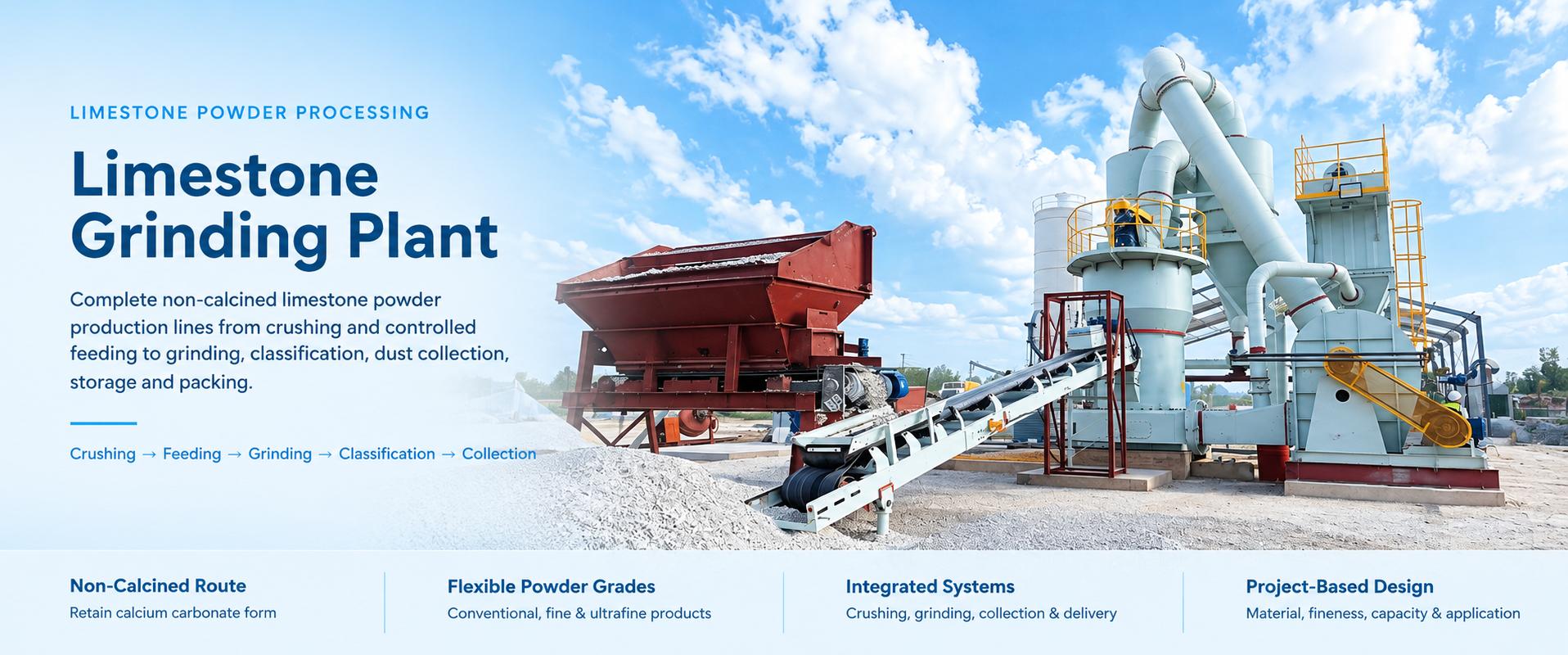
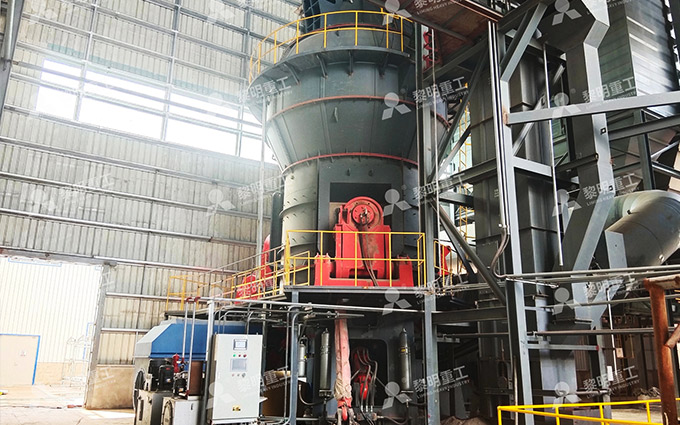
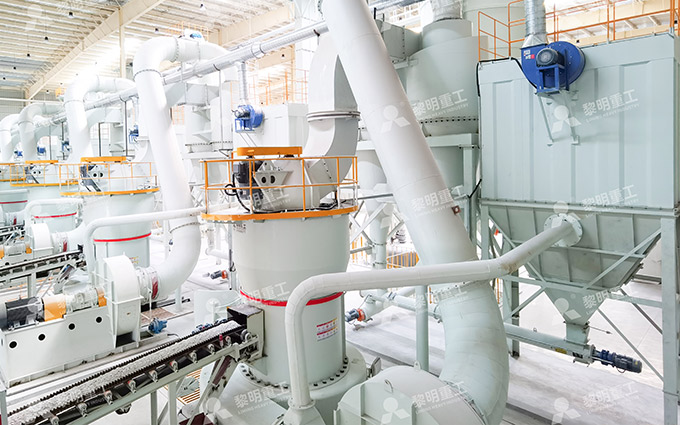
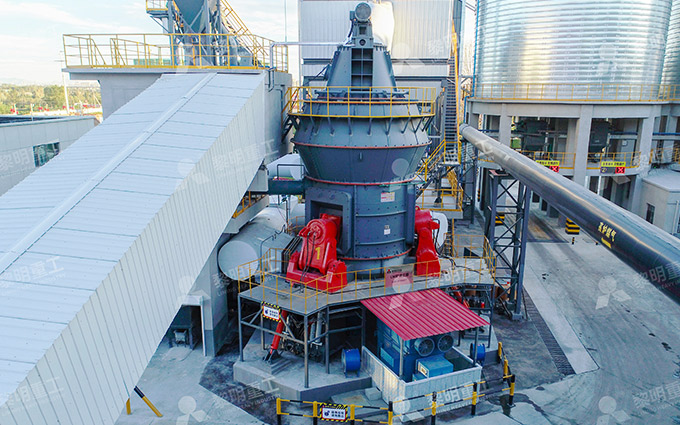
The grinding stage reduces particle size, while classification separates acceptable powder from material requiring further grinding. In a closed-circuit arrangement, rejected coarse material returns to the mill. Liming Heavy Industry describes this grinding, classification, and collection sequence for limestone powder production.
For wall putty applications, classification should be evaluated against both the overall distribution and the coarse-residue requirement. A satisfactory average size does not prove that occasional oversized particles have been controlled.
Selecting a Liming Heavy Industry Grinding Mill
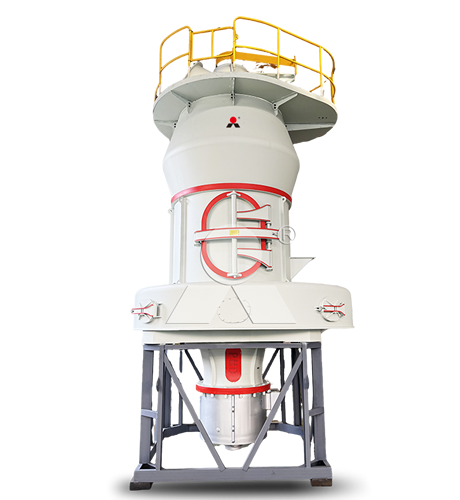
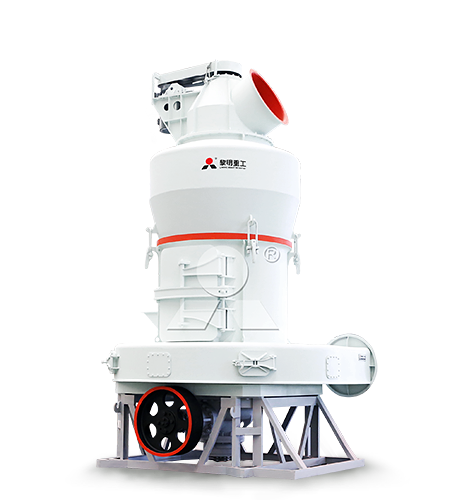
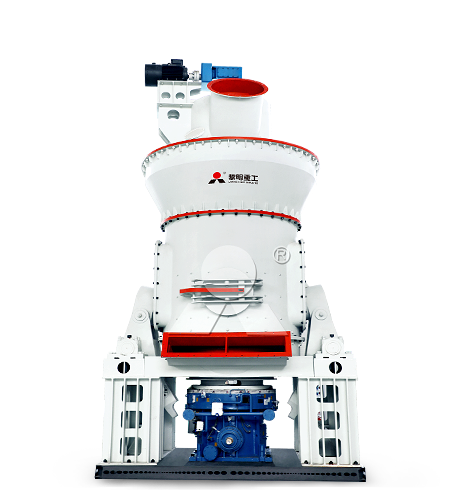
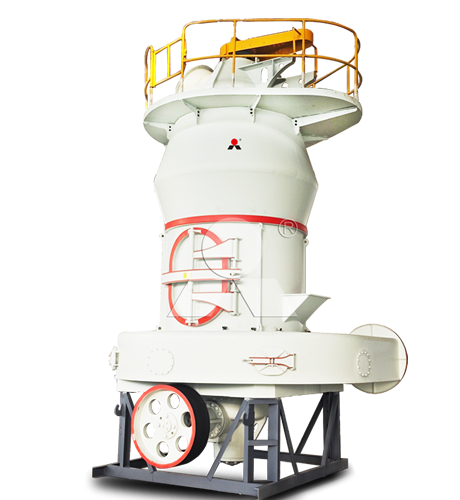
The Liming Heavy Industry MTW European Type Trapezium Mill and LM Vertical Roller Mill are options for conventional fine limestone processing. For projects with a verified ultrafine requirement, the Liming Heavy Industry LUM Ultrafine Vertical Mill can also be evaluated. These are different processing choices, not interchangeable guarantees of putty performance.
Selection should be based on a defined operating duty:
Required saleable output at the agreed powder specification
Representative feed size, moisture, and mineral composition
Particle-size distribution and coarse-residue limits
Number of powder grades the plant must produce
Available space, utilities, storage, and packaging arrangements
Maintenance access and expected wear conditions
Do not compare systems using maximum capacity alone. Ask whether the stated output applies to the actual limestone and the required fineness. A finer specification may change throughput, circulating load, and energy demand, so trial results should be tied to clearly recorded test conditions.
Do Not Let Handling Undo the Grinding Work
After classification, the powder still passes through collection equipment, conveyors, storage, and packaging. Contamination or moisture exposure at these stages can undermine an otherwise satisfactory grinding result.
Pay particular attention to shared equipment. A line that previously handled a darker mineral or a coarser product may require cleaning and controlled changeover before producing white putty filler. Check the first collected powder after a changeover rather than assuming that an empty hopper means a clean system.
Protect finished powder from water ingress and humid storage conditions. Inspect silo discharge points and packaging equipment for buildup, and check whether bags or bulk-loading arrangements preserve the product condition expected by the customer.
Dust collection and enclosed transfer should be included in the plant design. Worker-exposure controls must reflect the actual mineral composition, particularly where the limestone contains crystalline silica. A white appearance is not evidence that airborne dust is harmless.
Three Processing Decisions That Often Need Reconsideration
“A Finer Product Will Always Make Better Putty”
Additional grinding can help when coarse particles are the limiting problem, but it is not a universal solution. A change in the fine fraction can also change water demand and application behavior. Compare candidate powders in the intended formulation before setting a finer production target.
“A Whiter Sample Means a Better Limestone Supply”
Color is important, but the sample must also represent routine deliveries. A slightly different-looking powder with stable quality may be easier to formulate around than a very white sample followed by inconsistent production batches. Establish acceptance limits and verify supply consistency.
“Passing the Powder Test Means the Product Is Approved”
Powder measurements are necessary process controls, but they do not reproduce application on a wall. A powder can meet its agreed size specification yet perform differently because of mineral variation or its interaction with the formulation. Approval should include a putty trial, not just a laboratory powder report.
Commission the Line Against the Customer’s Putty
During commissioning, collect powder only after operating conditions have stabilized. Record the feed source, feed moisture, production rate, and relevant mill and classifier settings so the result can be reproduced.
Then compare the powder with an approved reference in the customer’s normal putty formulation. Initially keep the recipe, mixing procedure, substrate, and application conditions unchanged. Record spreading resistance, water requirement, scratches, working time, sanding behavior, and the condition of the dried surface.
If adjustments are needed, change one factor at a time. For example, investigate an unacceptable coarse fraction before increasing the overall fineness, and investigate feed changes before compensating with formulation additives. This makes it easier to identify whether the issue originates in the mineral, the processing system, or the putty recipe.
For a new limestone powder line, provide Liming Heavy Industry with a representative stone sample, the target hourly output, the required powder specification, and an approved filler sample where available. These inputs allow the proposed grinding system to be evaluated around a repeatable wall putty grade rather than a nominal powder description.