Wall Putty Raw Material Processing
Dolomite Powder in Wall Putty Formulations
2026-10-20 09:40:24
Dolomite powder can serve as a mineral filler in wall putty, either as the principal filler or as part of a blend with ground calcium carbonate. Its suitability depends on the grade supplied and its interaction with the complete formulation. A clean, consistently ground dolomite may be useful, but its mineral name alone does not guarantee better adhesion, easier sanding, or greater durability.
For manufacturers considering dolomite, the central question is compatibility: can the powder deliver the required application and finishing performance without introducing unstable water demand, visible particles, or unnecessary formulation adjustments?
What Dolomite Contributes to the Formulation
Dolomite is a calcium magnesium carbonate mineral. In wall putty, ground dolomite contributes solid volume and forms part of the mineral structure held together by the binder. Its particle-size distribution, color, moisture, and cleanliness influence whether it is suitable for a particular product.
It is important to separate the filler’s role from the binder’s role. Dolomite does not replace the cement or polymer responsible for binding the formulation. Likewise, adding dolomite is not sufficient evidence that a putty will resist water, remain crack-free, or adhere reliably to a difficult substrate. Those properties must be established through testing of the complete product.
A useful dolomite grade should help the manufacturer maintain a predictable finished putty. That means consistent mixing, acceptable spreading resistance, a clean surface under the blade, and a dried layer that meets the intended finishing requirements.
Dolomite and Calcium Carbonate: Similar Roles, Different Materials
Dolomite and calcite-based ground calcium carbonate are both carbonate mineral fillers, but they differ in composition and mineral hardness. Dolomite typically has a Mohs hardness of 3.5–4, compared with approximately 3 for calcite. This distinction is relevant to raw-material evaluation, although it does not directly predict the hardness or sandability of a finished putty.
| Comparison Point | Dolomite Powder | Calcite-Based Calcium Carbonate | Practical Implication |
|---|---|---|---|
| Mineral composition | Contains calcium and magnesium in the carbonate mineral | Predominantly calcium carbonate | Confirm the actual mineral composition rather than relying only on the product name |
| Mineral hardness | Generally harder than calcite | Generally softer than dolomite | Evaluate grinding behavior and finished-putty sanding separately |
| Color | Depends on the deposit and impurities | Depends on the deposit and impurities | Compare measured color and applied panels, not mineral labels |
| Formulation behavior | Depends on grading, surface characteristics, and the complete recipe | Depends on grading, surface characteristics, and the complete recipe | Do not assume a direct replacement will preserve water demand or workability |
The mineral differences provide a starting point for comparison, not a ranking of finished-putty performance. A well-controlled dolomite grade may be more suitable than an inconsistent calcium carbonate grade, while a clean, well-graded calcium carbonate may outperform an unsuitable dolomite supply. The relevant comparison is between actual powders in the intended formulation.
Using Dolomite Alone or in a Filler Blend
As the Principal Mineral Filler
Dolomite can be evaluated as the principal filler where its color, grading, supply consistency, and delivered cost fit the product requirements. The qualification process should include both powder measurements and putty application trials. A satisfactory loose-powder appearance is not enough to approve the material.
Alongside Ground Calcium Carbonate
A blended filler system allows manufacturers to investigate whether the combination offers a useful balance of application behavior, surface finish, and raw-material availability. However, blending two powders does not automatically improve packing or reduce water demand. The result depends on how their particle distributions and other characteristics interact.
Establish the blend through controlled trials rather than adopting an arbitrary replacement percentage. Keep the binder and additives unchanged during the initial comparison so that the effect of the filler change remains visible. Any later recipe adjustment should be recorded and evaluated as a separate step.
Four Grade Characteristics Worth Checking First
1. Coarse Residue and Particle Distribution
For thin finishing layers, occasional oversized particles can be more troublesome than a small difference in average fineness. Check the full particle-size distribution and define an acceptable coarse-residue limit. A mesh description alone is not a complete specification.
Inspect retained material when a residue result changes. Hard mineral grains, agglomerates, and contamination from handling require different corrective actions. Simply grinding the entire product finer may not address the underlying problem.
2. Color Consistency
Approve color against a retained reference sample using consistent measurement conditions. Assess the dried putty as well as the powder, because the binder and other ingredients also influence the final appearance.
For deposits with visible changes between layers, sample across the expected production supply. One unusually white stone sample should not define the commercial specification for an otherwise variable deposit.
3. Mineral Composition and Impurities
Request a composition report supported by appropriate mineral identification where necessary. Calcium and magnesium results help characterize the material, but the nature of impurities also matters. Silica-bearing particles may influence abrasiveness, while iron-bearing impurities can affect color.
Specify ground, uncalcined dolomite when that is the intended filler. Calcined or otherwise chemically processed dolomite should not be accepted as an equivalent material without a separate technical assessment.
4. Moisture and Handling Condition
Check moisture together with flow and lump formation. A powder that leaves the mill in good condition may deteriorate during humid storage or transport. For dry-mix putty production, the delivered condition matters as much as the result measured immediately after grinding.
Producing a Consistent Dolomite Filler
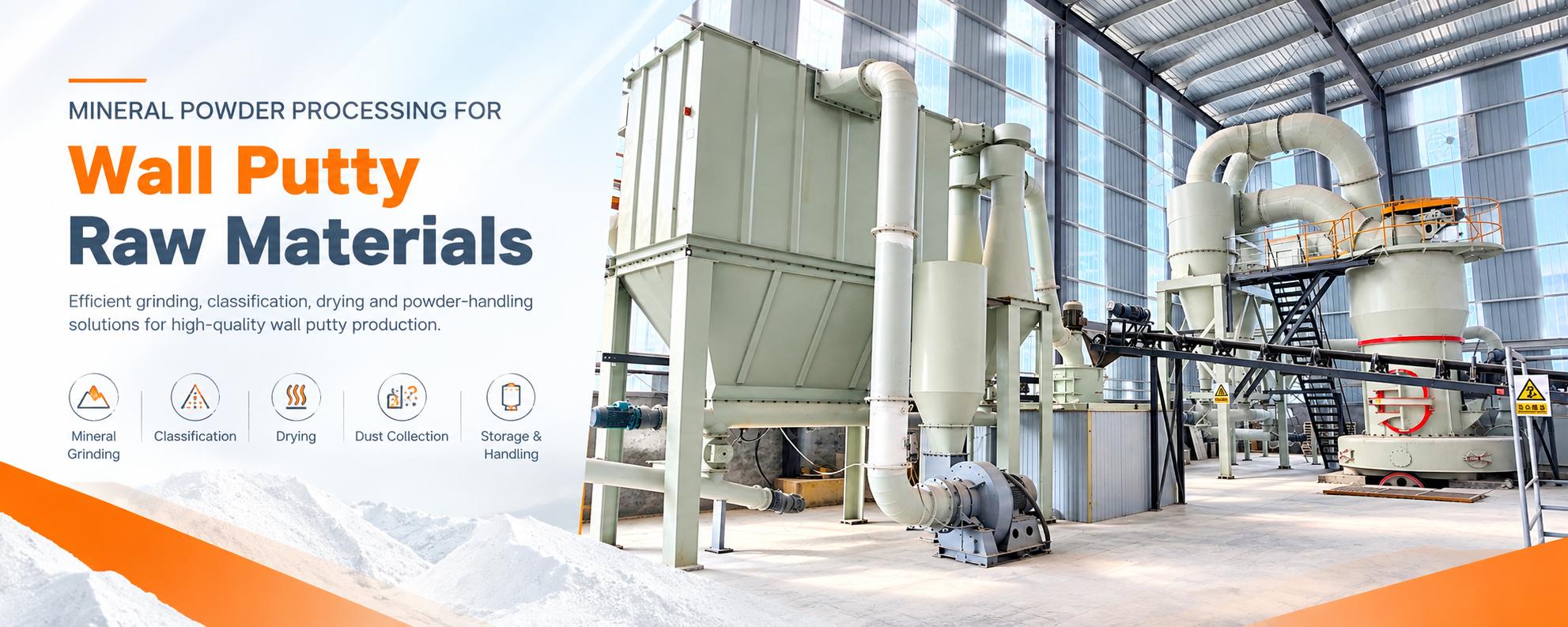
A practical processing line starts with representative raw-material selection, followed by crushing where necessary, controlled feeding, grinding, classification, collection, and protected storage. Each stage should support the agreed finished-powder specification.
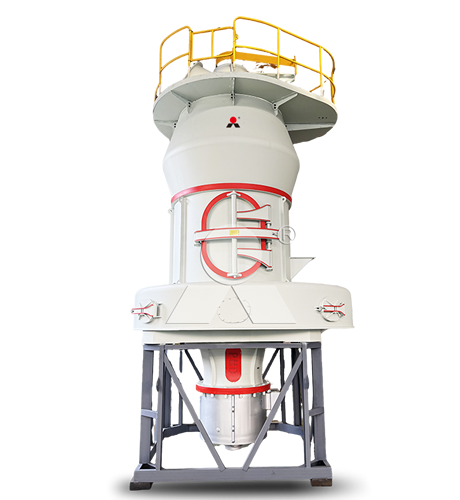
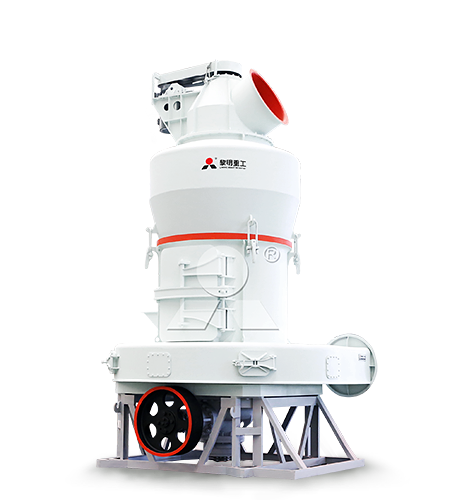
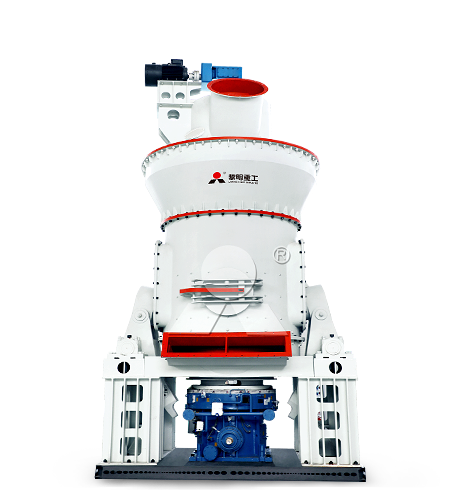
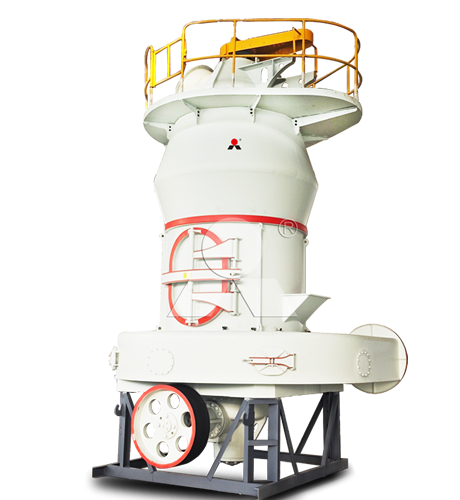
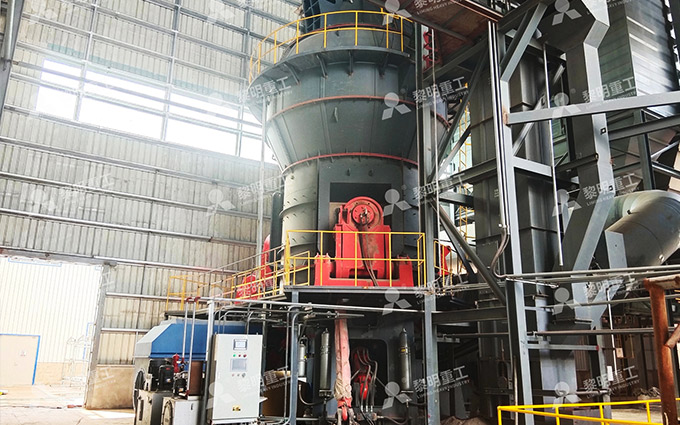
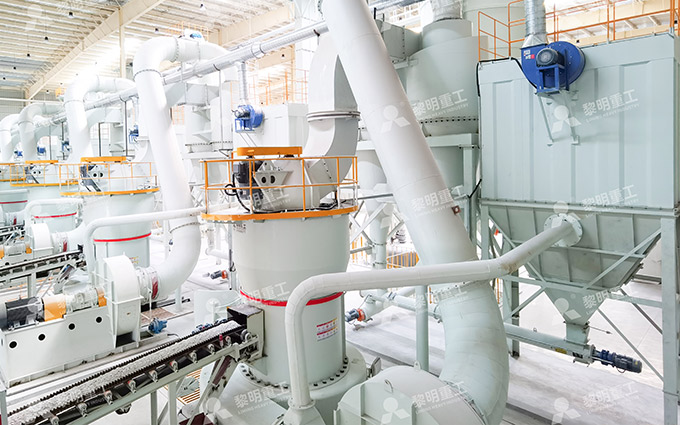
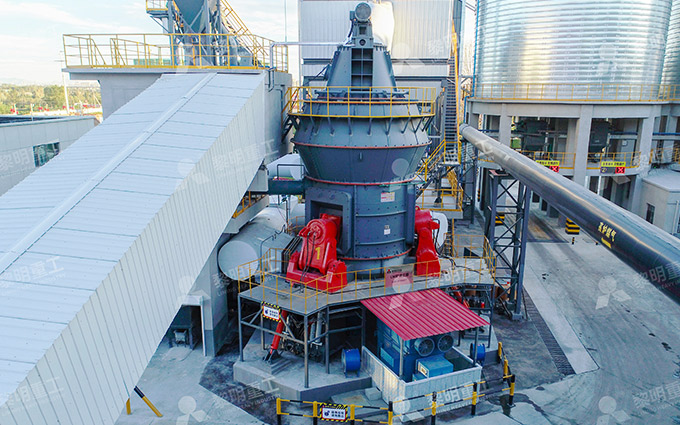
The Liming Heavy Industry MTW European Trapezium Mill is an option for evaluating dolomite grinding projects. Liming Heavy Industry documents its use in a dolomite-processing installation, but the suitability of a particular configuration must still be checked against the feed material, required output, and target powder grade.
For a wall putty project, equipment evaluation should focus on:
Saleable output at the required particle-size distribution, rather than maximum throughput alone.
Control of coarse residue that could affect surface finishing.
Feed moisture and any associated drying requirement.
Raw-material abrasiveness and its implications for wear and maintenance.
Clean handling and changeover procedures where equipment serves several minerals.
Sampling points that allow production quality to be checked before dispatch.
A trial using representative dolomite is more informative than an equipment selection based only on a nominal mesh target. Retain the trial powder so that the putty manufacturer can test the material actually produced by the proposed process.
A Practical Substitution Trial
When introducing dolomite into an existing putty, use the current approved product as the control. The first objective is to identify the effect of the filler change, not to reformulate every ingredient at once.
Characterize both powders. Compare particle distribution, coarse residue, moisture, color, and mineral composition before preparing putty.
Prepare controlled batches. Keep the initial binder content, additive dosage, mixing sequence, and mixing time unchanged. Record the basis used for replacing or blending the filler.
Record mixing behavior. Note wetting, lump formation, consistency, and any water adjustment needed to reach comparable application behavior.
Apply under matching conditions. Use the same substrate, tools, and application thickness. Assess spreading resistance, blade marks, and visible particles.
Evaluate after drying or curing. Check sanding response, surface cohesion, adhesion, and appearance. Include the exposure-related tests required for the intended product.
Confirm repeatability. Repeat the assessment with additional production lots before approving the supply.
What the Trial Results Should Tell You
If the dolomite-containing putty needs more water, investigate differences in grading, mineral composition, and mixing behavior before compensating with additives. If scratches appear, inspect the coarse fraction and handling system. If sanding becomes more difficult, assess the complete dried formulation rather than attributing the change solely to mineral hardness.
Approval should result in a defined powder specification and a repeatable formulation—not simply a statement that dolomite is acceptable. For a new grinding project, provide Liming Heavy Industry with a representative dolomite sample, required hourly output, target powder specification, and an approved reference filler where available. This gives the equipment assessment a direct connection to the wall putty the powder must serve.