Wall Putty Raw Material Processing
Talc and Kaolin: Mineral Filler Selection
2026-10-20 09:42:08
Talc and kaolin can be evaluated as functional mineral fillers in wall putty when a manufacturer wants to adjust spreading behavior, surface texture, or the balance of properties within a filler blend. They should not be treated as interchangeable white powders or automatic replacements for calcium carbonate. Their particle shape, surface characteristics, and processing history can produce different results in the same formulation.
The most useful selection principle is function: identify the property that needs improvement, choose a suitable mineral grade, and verify the result in the complete putty. A filler that improves blade feel but creates dispersion problems or excessive water demand may not offer a practical improvement.
Two Platy Minerals with Different Surface Characteristics
Talc is a magnesium silicate mineral, while kaolin is a clay material consisting predominantly of kaolinite. Both can have plate-like particles, but their surfaces interact differently with liquids. Talc is generally hydrophobic, whereas kaolin is hydrophilic. These differences help explain why similar-looking powders can wet, disperse, and affect consistency differently in water-based formulations.
Particle shape also varies between commercial grades. A highly platy grade and a more blocky grade of the same mineral may not behave alike. Consequently, a supplier’s mineral name and nominal fineness are only the beginning of a useful specification.
| Selection Factor | Talc | Kaolin | What to Check in Wall Putty |
|---|---|---|---|
| Surface character | Generally hydrophobic | Generally hydrophilic | Wetting, lump formation, mixing sequence, and dispersion |
| Particle morphology | Often platy, with grade-dependent aspect ratio | Available with different degrees of platiness and particle structure | Spreading resistance, consistency, and dried-surface texture |
| Commercial grade differences | Purity, particle distribution, and platelet characteristics vary | Hydrous and calcined grades differ substantially | Approve the specific grade rather than the mineral category |
| Potential formulation trade-off | Wetting may require particular attention | Liquid demand and viscosity may change with grade and structure | Compare performance at a defined application consistency |
These distinctions provide a basis for screening candidates, not a guarantee of finished-product performance. The binder, other fillers, additives, and mixing conditions remain part of the result.
When Talc Is Worth Evaluating
Talc is a candidate when the development objective concerns the way a putty moves under the blade or the contribution of platy particles within a filler blend. Its characteristic surface and morphology make it different from a conventional carbonate filler, but the effect must be established at the intended addition level.
During an initial talc trial, pay attention to three points:
Whether the powder wets fully within the normal mixing time.
Whether the applied putty spreads more evenly without introducing drag marks or visible particles.
Whether any improvement remains after checking adhesion, surface cohesion, and sanding.
Talc’s hydrophobic character should not be interpreted as proof that a talc-containing wall putty is waterproof. Platy talc can contribute to barrier behavior in suitable coating systems, but those results depend on particle alignment and the surrounding binder. They cannot be transferred directly to a porous cement-based putty.
When Kaolin Is Worth Evaluating
Kaolin is a candidate when the formulation objective involves consistency, particle structure, or surface appearance. In coatings, hydrous kaolin is used as an extender and can influence sag and settling behavior. Those functions provide reasons to investigate a grade, but they do not establish its performance in a particular wall putty.
For dry-mix putty, assess how kaolin affects water addition, mixing, and application over the working period. For ready-mixed putty, include viscosity development and storage behavior. Avoid assuming that every kaolin grade will increase or decrease consistency in the same way.
Hydrous Kaolin and Calcined Kaolin Are Not Direct Equivalents
Hydrous kaolin and calcined kaolin have different structures and should be evaluated separately. Calcined kaolin has internal porosity that can contribute to light scattering and dry hiding in matt coatings. That does not mean the same grade will automatically improve wall putty, where liquid demand, binder demand, and surface strength must also be considered.
For a purchasing specification, identify the required kaolin type explicitly. Substitution based only on a similar whiteness value or mesh label can conceal a significant material change.
Select for the Problem You Actually Have
| Observed Problem | Useful Evaluation | What Not to Assume |
|---|---|---|
| Putty feels sticky or difficult to spread | Compare selected talc and kaolin grades in controlled filler-blend trials | That one mineral will improve every binder system |
| Water requirement is too high | Examine particle distribution, surface characteristics, and the complete additive package | That a finer powder necessarily reduces water demand |
| Blade marks or scratches appear | Inspect coarse residue, agglomerates, contamination, and dispersion | That changing the mineral name will remove oversized particles |
| Ready-mixed putty changes consistency during storage | Track viscosity and separation using the actual formulation and packaging | That initial mixing behavior predicts storage stability |
| The dried surface is weak or powders easily | Review binder adequacy, water addition, substrate condition, and curing | That a functional filler can replace adequate binding capacity |
What to Specify Before Buying a Grade
A useful talc or kaolin specification should describe more than color and nominal fineness. Agree on particle-size distribution, coarse residue, moisture, mineral composition, and a consistent color-measurement method. Where particle shape is central to the intended function, request information that distinguishes the candidate grade from other products in the supplier’s range.
Keep an approved reference sample and retain samples from incoming lots. When a formulation changes unexpectedly, this allows the manufacturer to compare the new supply with a known material rather than relying only on historic certificates.
For talc, request documentation addressing asbestos contamination as part of supplier qualification. For both minerals, obtain composition and safety information appropriate to the supplied grade, including relevant crystalline silica information. Powder-handling controls should reflect the actual material rather than its white appearance.
Processing Talc and Kaolin for Putty Applications
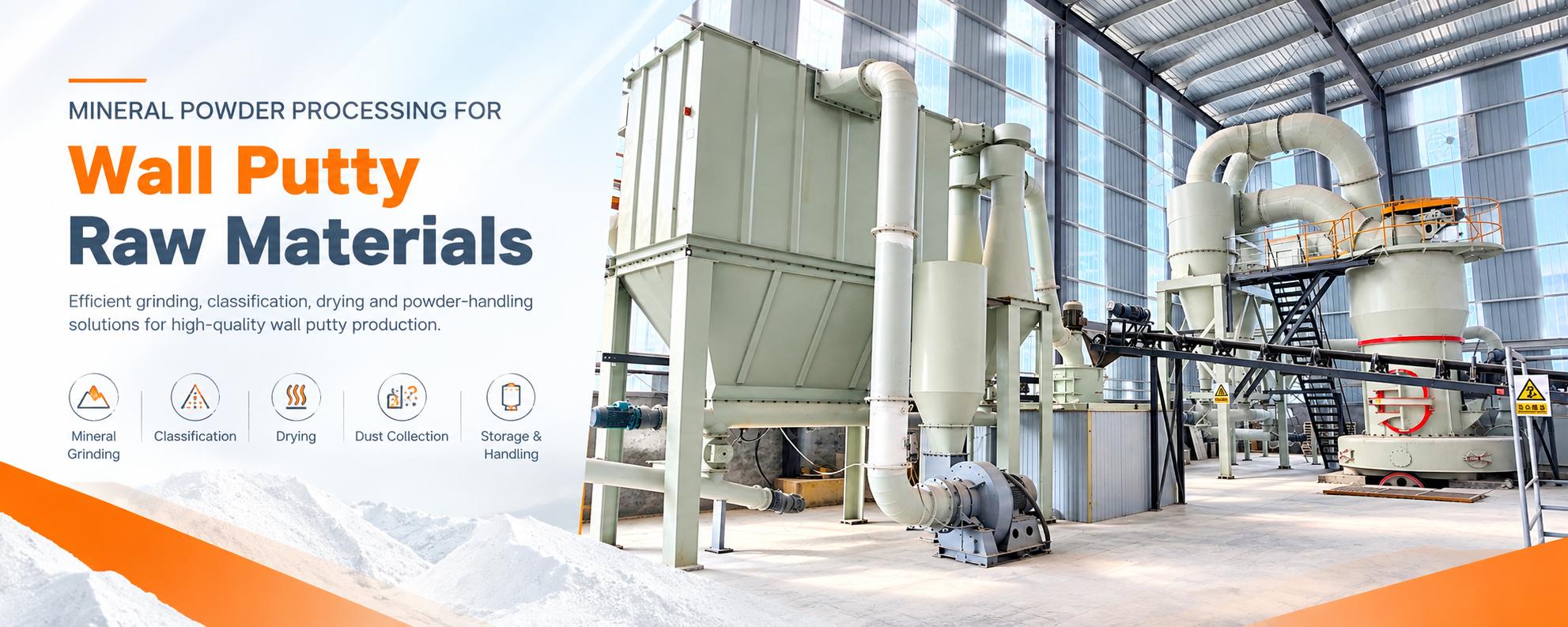
Grinding should be designed around the required filler function, not simply the smallest achievable particle size. Particle distribution, contamination control, and repeatable production matter alongside fineness. Where particle morphology is important, evaluate the trial-ground material rather than assuming that every grinding route preserves the same platelet characteristics.
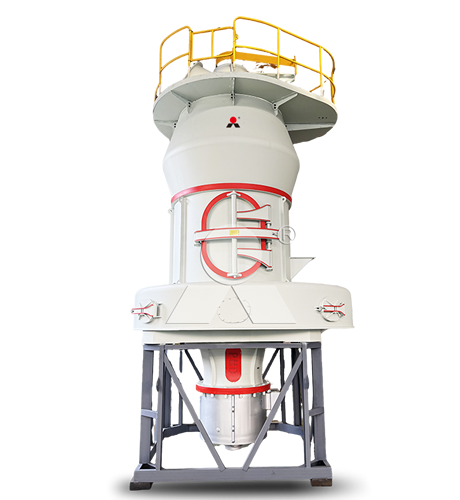
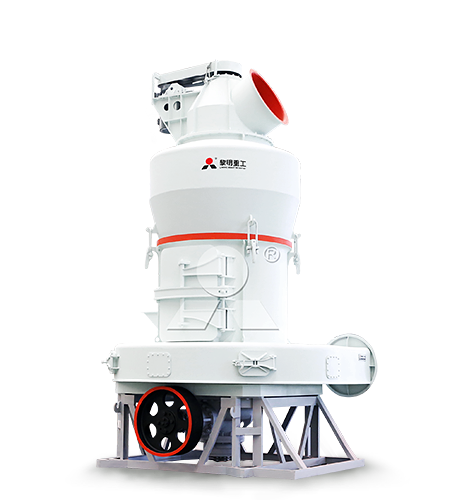
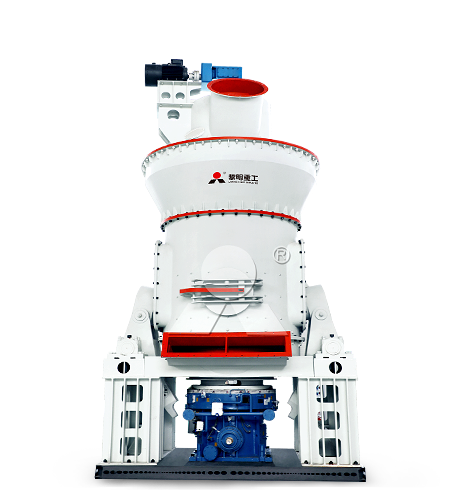
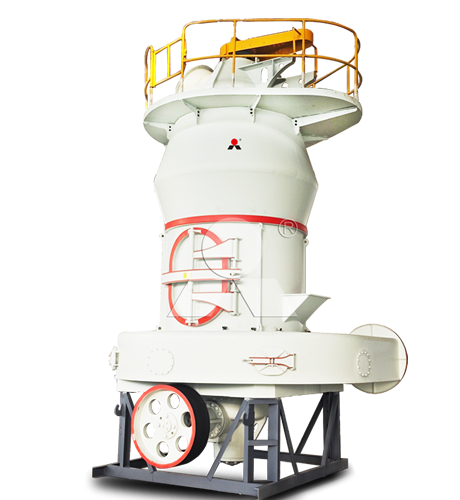
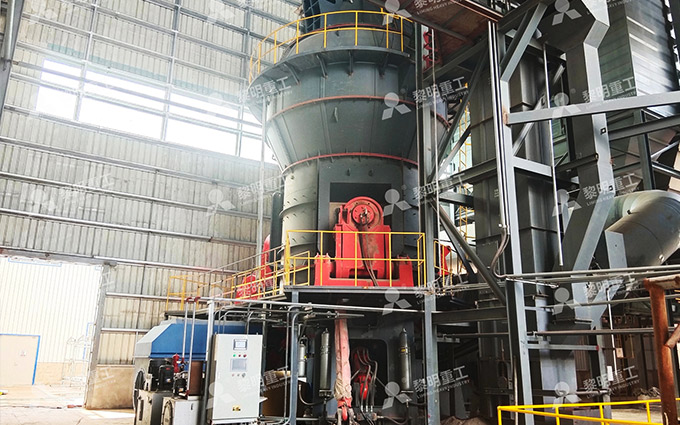
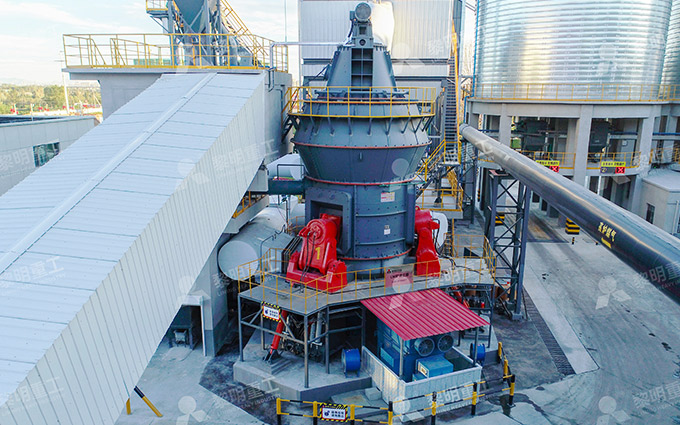
For conventional fine-powder processing, the Liming Heavy Industry MTW European Type Grinding Mill can be evaluated for suitable talc and kaolin feedstocks. Where the product genuinely requires ultrafine processing, the Liming Heavy Industry LUM Ultrafine Vertical Mill is another option. The final choice should follow representative material testing and a defined output specification.
Kaolin processing may require preparation beyond grinding, depending on the feedstock. A grinding mill should not be expected to remove all discoloring impurities or convert untreated kaolin into a purified or calcined grade. Define the incoming material and intended product before establishing the equipment scope.
During trials, collect enough finished powder for both laboratory characterization and putty application tests. Record the feed condition and operating settings so that an acceptable sample can be connected to a reproducible production process.
A Controlled Trial Gives a Clearer Answer
Start with the existing approved putty as the control. Introduce one candidate grade at a time, using a clearly recorded replacement basis. Keep the initial binder and additive quantities unchanged so that the effect of the filler change can be identified.
Compare the candidate powder with the existing filler for grading, residue, moisture, and color.
Record wetting, dispersion, mixing time, and consistency development.
Measure any water adjustment needed to reach a comparable application consistency.
Apply to the same substrate at a controlled thickness using the same tools.
Check spreading, sag, blade marks, working time, and dried-surface appearance.
Evaluate sanding, adhesion, and surface cohesion after the specified drying or curing period.
For ready-mixed products, extend the assessment to storage stability.
A successful result is a documented improvement without unacceptable trade-offs. Talc and kaolin do not need to replace the principal carbonate filler to be useful; their value may lie in a carefully controlled part of the blend.
For a dedicated powder-processing project, provide Liming Heavy Industry with the raw-material sample, required hourly output, target particle distribution, and an approved filler reference where available. Include the intended putty application so that equipment trials focus on the grade the customer needs, not fineness alone.