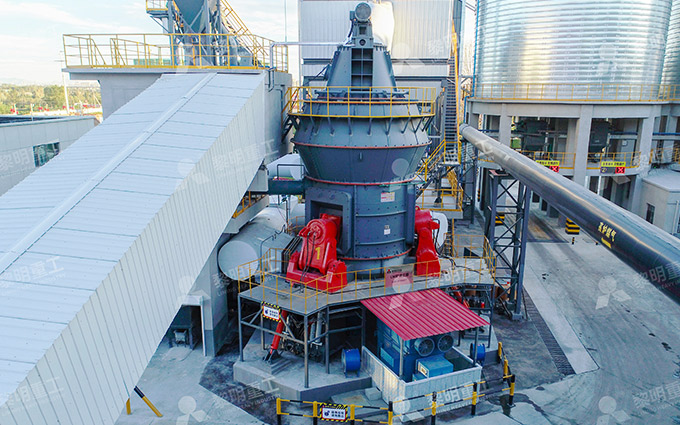
Wall Putty Raw Material Processing
Dust Collection in Mineral Grinding Plants
2026-10-20 09:53:38
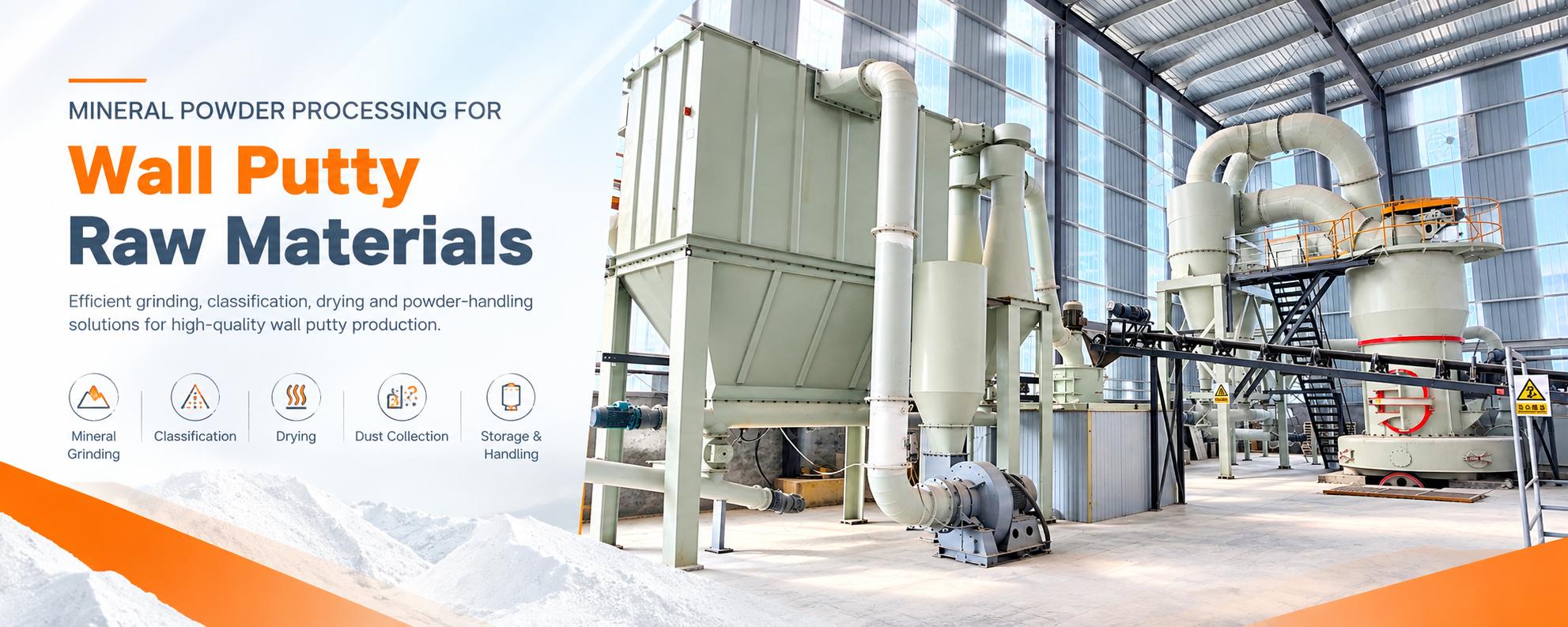
Dust collection in a mineral grinding plant must do more than clean the exhaust air. It must capture dust where it is generated, separate powder from the process airflow, discharge collected material reliably, and maintain the airflow needed for stable operation. For plants producing wall putty fillers, the system must also protect powder cleanliness and prevent uncontrolled mixing of different mineral grades.
The guiding principle is capture: dust that escapes a feed opening, transfer point, or packaging station cannot be controlled simply by installing a larger collector elsewhere in the plant.
Separate Product Collection from Workplace Dust Extraction
A grinding plant can contain several collection duties that should not be treated as identical. The main process collector separates saleable powder from conveying air. Local extraction captures dust escaping from handling equipment. Silo vent filters manage displaced air during filling.
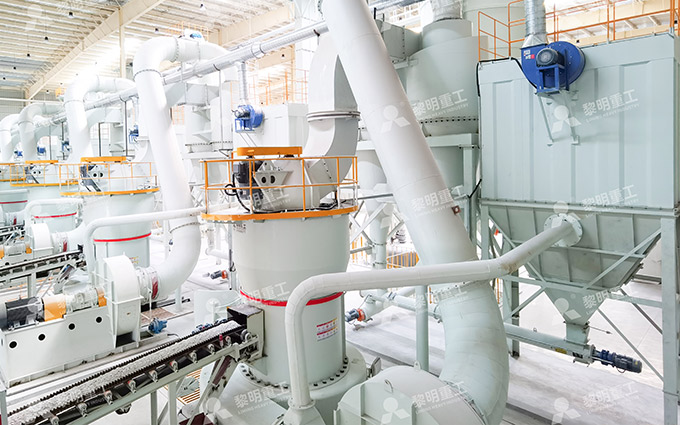
In one Liming Heavy Industry grinding-system arrangement, classified powder enters a cyclone for separation, while finer particles remaining in the airflow are captured by a pulse dust collector. This illustrates why the collection system must be considered together with the mill, classifier, and conveying circuit. The exact arrangement depends on the selected grinding system.
| Collection Duty | Typical Location | Main Design Concern |
|---|---|---|
| Process powder collection | After classification or pneumatic transport | Recovering powder while maintaining the required process airflow |
| Local dust extraction | Feed points, transfers, and packaging equipment | Capturing escaping dust close to its source |
| Silo vent filtration | Finished-powder storage | Filtering displaced air without obstructing the intended venting arrangement |
| Collected-powder discharge | Collector hoppers and return conveyors | Removing material without buildup, leakage, or cross-contamination |
Follow the Powder Through the Entire Plant
When evaluating dust control, trace the material from unloading to dispatch. A well-contained mill does not prevent dust from escaping upstream or downstream.
Inspect the following locations during representative production:
Raw-material unloading and receiving hoppers.
Crusher discharge and conveyor transfer points.
Mill feeding equipment and inspection openings.
Collector discharge valves and powder conveyors.
Finished-powder silo filling points.
Bag filling, bag closing, and bulk loading.
For each location, identify how the dust is released. Material falling through an open transfer, air displaced from a container, and leakage from a pressurized section require different enclosure and extraction arrangements.
Reduce unnecessary openings and uncontrolled drops before increasing extraction volume. Otherwise, the system may move large quantities of air without effectively capturing the escaping dust.
How a Pulse-Jet Fabric Filter Works
A fabric filter, often called a baghouse, removes particles as dust-laden air passes through filter media. Dust accumulates on the fabric and forms a layer that contributes to fine-particle collection. As this layer builds, resistance to airflow increases, so the filters require controlled cleaning.
In a pulse-jet collector, short bursts of compressed air dislodge accumulated dust from the filter surface. The released material falls into a hopper and must then be discharged. Cleaning commonly takes place in groups of bags while the remaining filters continue operating.
This makes the collector a coordinated system of filtration, cleaning, and powder removal. Good filter media cannot compensate for ineffective pulse cleaning or a hopper that fails to discharge.
Size the Collector for Its Actual Duty
Collector selection should account for gas flow, dust loading, particle characteristics, and the cleaning method. Filter area is particularly important: insufficient area can produce excessive resistance and an unsuitable operating burden.
Provide the equipment supplier with the conditions expected during normal operation and demanding production periods:
Actual gas volume at the collector’s operating conditions.
Dust concentration and particle-size distribution.
Mineral composition, abrasiveness, and tendency to adhere.
Gas temperature, moisture, and possible condensation conditions.
Continuous or intermittent operating requirements.
Available compressed-air supply for pulse cleaning.
Required discharge, storage, and powder-return arrangements.
Applicable emission and workplace-exposure requirements.
Do not select a collector solely from the mill’s hourly tonnage. Two plants producing the same powder output can have different airflow, drying, and collection duties.
Airflow Must Serve Both Grinding and Dust Control
In an air-swept grinding system, the collector is part of the process circuit. Changes in filter resistance, duct condition, fan operation, or leakage can alter the airflow available to transport powder.
This is why collector condition should be assessed alongside mill and classifier behavior. Exhaust flow, pressure differential, fan current, and cleaning-system operation are recognized indicators of fabric-filter performance.
If additional extraction points are connected to an existing system, reassess the complete airflow arrangement. Adding branches without checking fan capability and balancing can weaken capture at other locations or disturb the intended process conditions.
Moisture and Condensation Can Undermine Filtration
Plants that combine drying and grinding must consider the moisture carried into the collector. Condensation can blind filter media, restrict airflow, and contribute to corrosion. The gas stream and equipment surfaces must be managed with the relevant dew-point conditions in mind.
Cold surfaces, startup, shutdown, and variable feed moisture deserve particular attention. A satisfactory temperature reading during steady production does not establish that condensation is avoided throughout the operating cycle.
Evaluate insulation, temperature monitoring, operating sequences, and filter-media suitability as part of the proposed design. Do not resolve a moisture problem by increasing temperature without checking the limits of the media, equipment, and mineral product.
Protect the Quality of Recovered Powder
Collected material should have a defined destination. Powder from a dedicated process collector may be suitable for product recovery, while dust extracted from shared handling or housekeeping points may contain mixed grades or other contamination.
For white wall putty fillers, establish clear rules:
Identify which collection streams are approved for return to the product.
Keep mixed-mineral or contaminated streams separate.
Check residual material during product changeovers.
Protect collector discharge and return conveying from moisture ingress.
Inspect recovered powder before changing its return route or blend proportion.
Where cyclone and filter fractions are collected separately, characterize them before deciding how to combine them. Their particle distributions may differ, so changing the return arrangement can change the finished powder.
Use Operating Trends to Find Problems Early
Pressure differential across the filters is useful, but it should not be interpreted in isolation. Review it together with airflow, temperature, cleaning activity, discharge condition, and emissions indicators.
| Observed Change | Possible Areas to Investigate |
|---|---|
| Increasing filter pressure differential | Dust buildup, ineffective cleaning, moisture-related blinding, or changed airflow |
| Unexpectedly low pressure differential | Reduced airflow, damaged media, leakage, or measurement problems |
| Visible dust at an extraction point | Capture arrangement, duct restriction, branch balance, or inadequate airflow |
| Dust appearing at the clean-air outlet | Filter integrity, seals, installation, or another bypass path |
| Powder accumulating in the hopper | Discharge equipment, bridging, moisture, or insufficient removal capacity |
Establish normal ranges during commissioning rather than applying arbitrary alarm values from an unrelated installation. Document how operators should respond to deviations.
Cleaning also needs balance. Excessively frequent or intense cleaning can reduce the contribution of the dust layer to fine-particle capture, while insufficient cleaning allows resistance to rise. Follow the collector supplier’s settings and adjust them using operating evidence.
Integrate Dust Collection with the Liming Heavy Industry Grinding Line
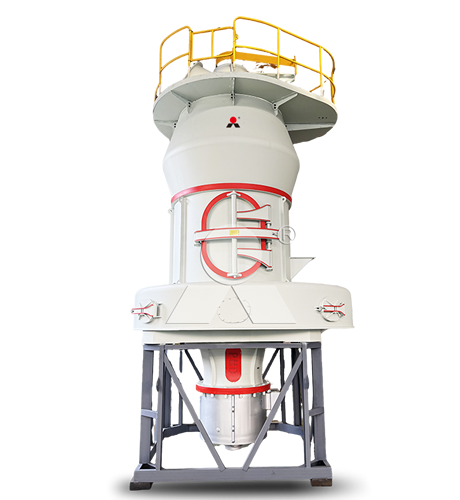
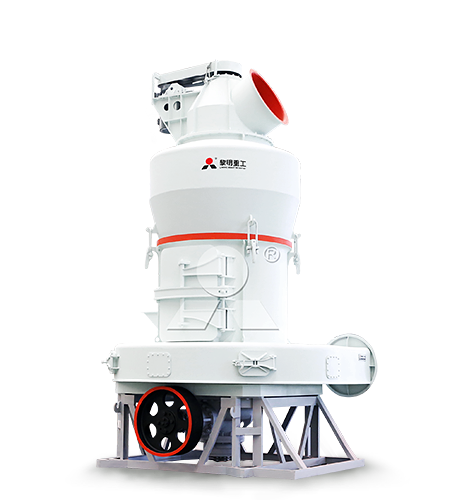
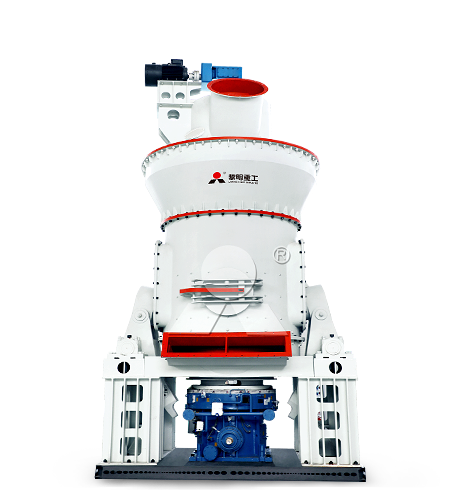
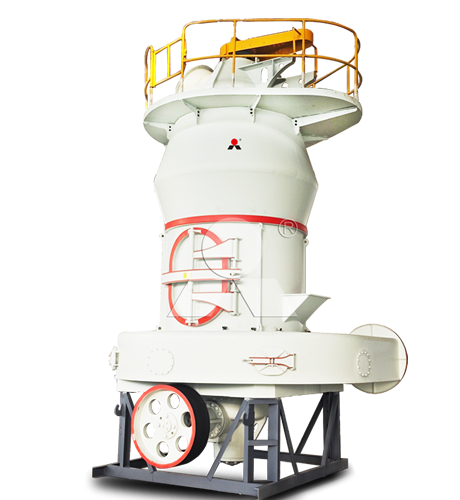
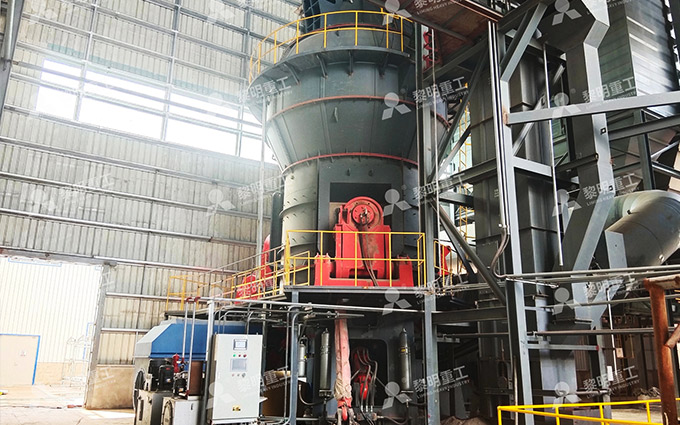
When evaluating a Liming Heavy Industry MTW European Trapezium Mill, LM Vertical Roller Mill, or LUM Ultrafine Vertical Mill, request a complete process and airflow description. The proposal should identify product collection, local extraction, fan duties, discharge equipment, monitoring points, and the destination of recovered powder.
Liming Heavy Industry documents grinding installations using pulse dust collectors, including an MTW limestone line. However, equipment presence alone does not establish compliance for a different site or operating duty. The proposed installation must be assessed against its own material, airflow, operating conditions, and applicable requirements.
Commission the System Under Representative Conditions
Check dust capture with the plant operating at its intended output, including transfer, storage filling, and packaging activities. Verify filter pressure differential, airflow, cleaning operation, hopper discharge, and any required emissions or workplace-exposure measurements.
A clean-looking workshop is useful evidence of housekeeping and containment, but it is not a substitute for the measurements needed to verify performance. Establish a recorded operating baseline and a maintenance plan that keeps the system effective as filters, seals, valves, and ducts age.