Wall Putty Raw Material Processing
When Does Mineral Powder Processing Need Drying?
2026-10-20 09:52:00
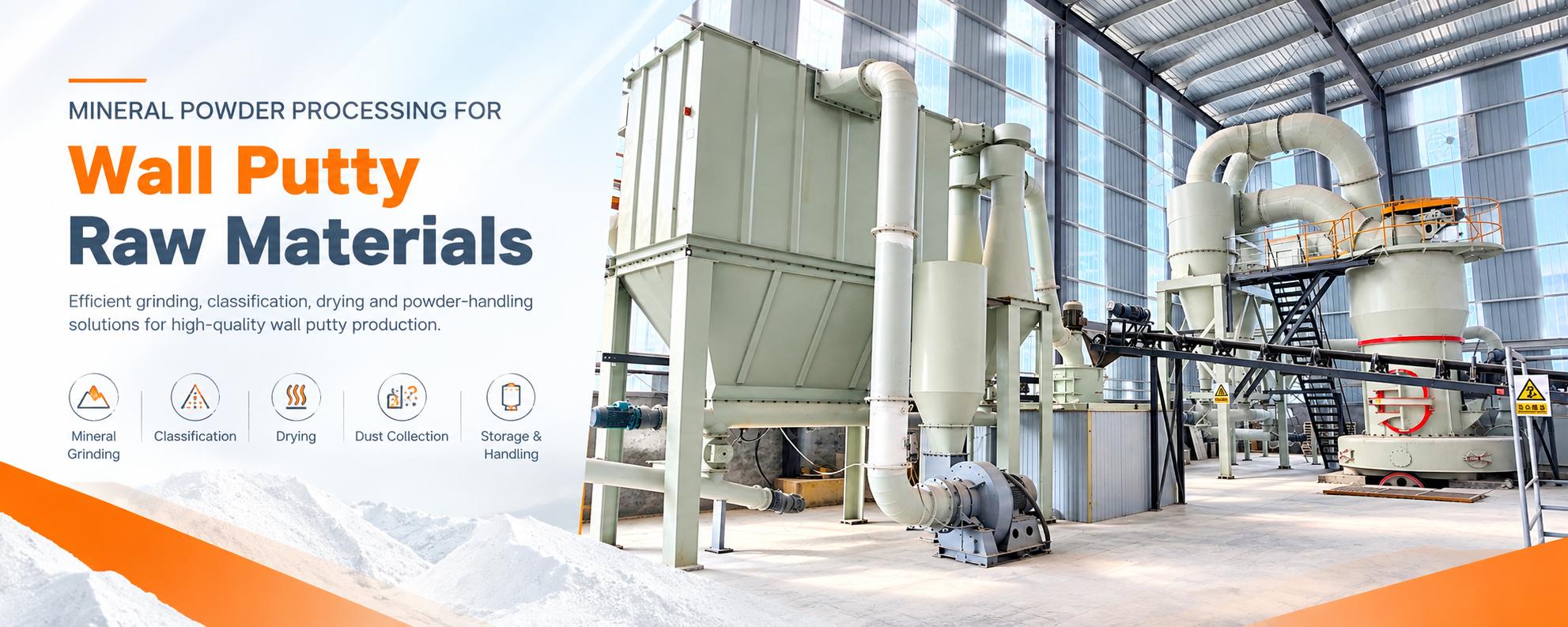
Mineral powder processing needs drying when incoming moisture prevents stable feeding, grinding, or classification, or when the collected powder cannot meet its finished-product moisture requirement. For wall putty fillers, the decision should account for the condition of the limestone, calcite, dolomite, talc, or kaolin entering the plant and the condition required when the powder reaches the customer.
Drying is not automatically necessary for every grinding line. The objective is control: remove enough moisture to maintain reliable production and an acceptable finished powder without adding unnecessary heat, equipment, or operating cost.
Two Different Reasons to Dry Mineral Feed
To Keep the Processing Line Operating Reliably
Wet feed can become sticky, particularly where fine particles and clay-bearing material are present. It may build up in feed chutes, adhere to grinding-system surfaces, or form agglomerates that interfere with powder transport. Excessive moisture can therefore cause operating problems before the finished-powder moisture limit is even considered.
In this situation, drying is part of feed preparation and process stabilization. However, the plant should also examine stockpile drainage, rain protection, feed consistency, and contamination. A dryer should not be used to compensate for avoidable water entering the process.
To Meet the Customer’s Powder Specification
A material may pass through the mill without obvious blockage yet still leave the system wetter than the customer allows. Conversely, a relatively dry feed may require little or no additional heat if it already produces acceptable powder.
Liming Heavy Industry’s LM technical information distinguishes these conditions by noting that additional hot air is needed when the required outlet moisture is lower than the inlet moisture. The actual drying arrangement must still be matched to the selected model and operating duty.
For a wall putty filler, agree on the finished-powder moisture requirement before selecting equipment. The acceptable condition for feeding a mill is not necessarily the acceptable condition for storage, transport, or use in a dry-mix formulation.
Signs That Moisture Needs Investigation
| Observation | Possible Moisture-Related Cause | What to Check Before Adding Drying Capacity |
|---|---|---|
| Feed rate becomes irregular | Wet fines stick or accumulate in the feeding system | Feed moisture, material texture, hopper condition, and feeder operation |
| Material builds up in chutes or ducts | Sticky feed or moisture-related deposits | Deposit location, airflow, water ingress, and operating temperatures |
| Powder contains unexpected lumps | Moisture-related agglomeration during processing or storage | Samples before storage, after storage, and after transport |
| Production falls during rainy periods | Higher incoming moisture or wetter fine material | Seasonal feed records, stockpile drainage, and the available drying duty |
| Powder meets fineness requirements but fails moisture acceptance | Insufficient moisture removal for the specified output | Inlet and outlet moisture, sampling method, heat input, and actual throughput |
These observations are reasons to investigate, not proof that moisture is the only cause. Restricted airflow, mechanical faults, inconsistent feeding, and unsuitable material can produce overlapping symptoms.
Measure the Feed You Will Actually Process
A single sample collected on a dry day is a weak basis for designing a drying system. Establish how moisture changes with rainfall, quarry location, storage duration, and any washing or other upstream preparation.
At a minimum, collect representative information for:
Normal operating conditions.
The wettest conditions expected during routine production.
Different material sources or quarry layers.
Any washed or unusually fine feed.
Material after storage and immediately before entering the mill.
Use an agreed sampling and laboratory procedure. Moisture figures are only comparable when the measurement basis and test conditions are clear. For clay-bearing minerals, distinguish the moisture the process is intended to remove from changes caused by heating the mineral itself.
Record feed size and the proportion of fines alongside moisture. Two deliveries with the same measured moisture can behave differently if one contains substantially more fine or clay-bearing material.
Choose Between Prevention, Integrated Drying, and Separate Preparation
Prevent Unnecessary Water Entry First
Covered storage, effective drainage, protected transfer points, and suitable stockpile management can reduce the drying burden. Compare these measures with the cost of continuously evaporating water that could have been kept out of the feed.
Prevention may not eliminate drying, especially where the mineral arrives naturally wet or has undergone washing. It can nevertheless make incoming conditions more predictable and improve the basis for equipment selection.
Evaluate Drying Within the Grinding System
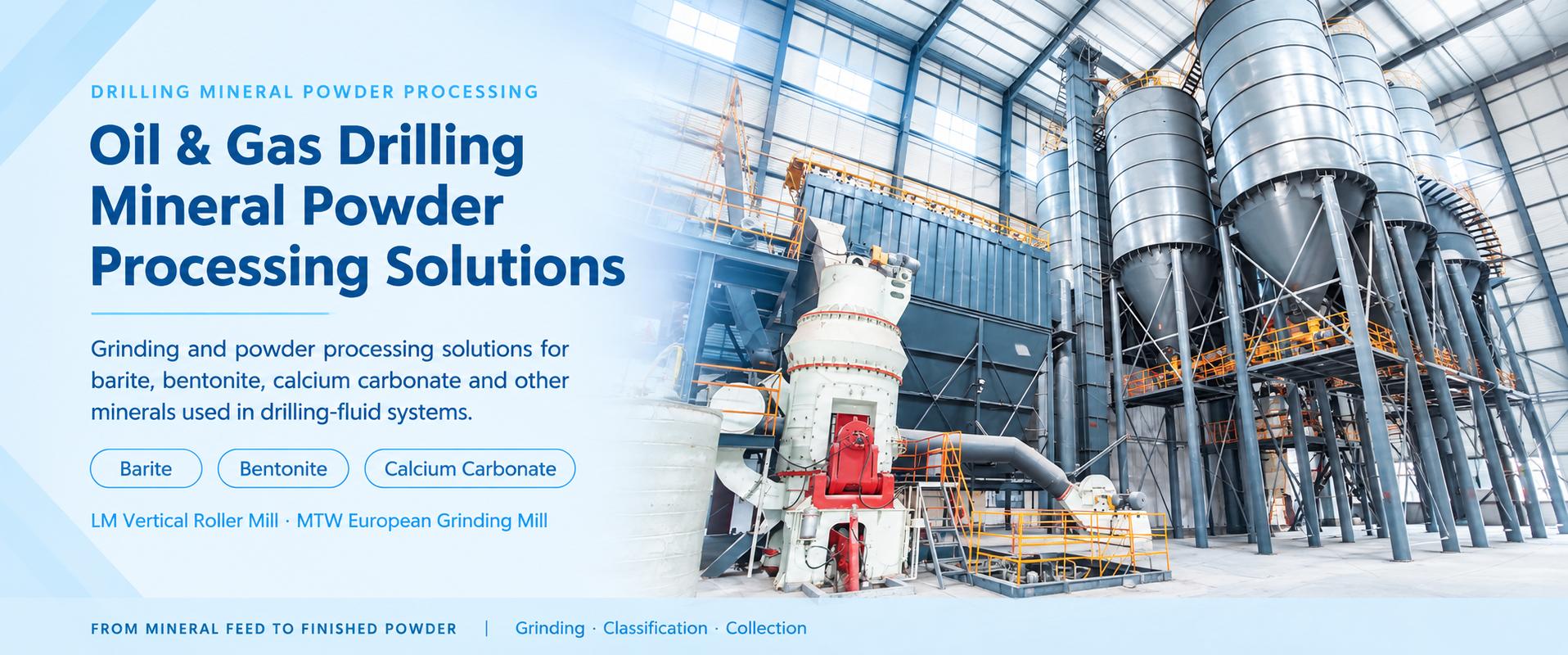
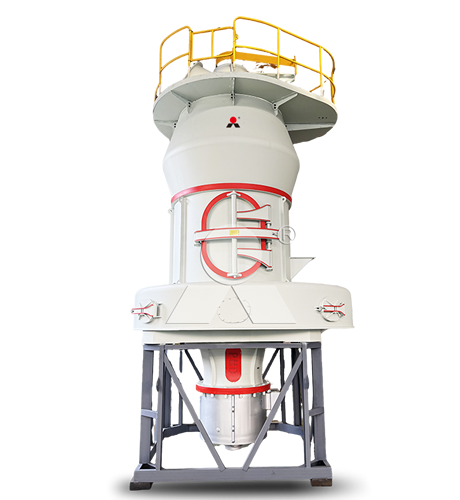
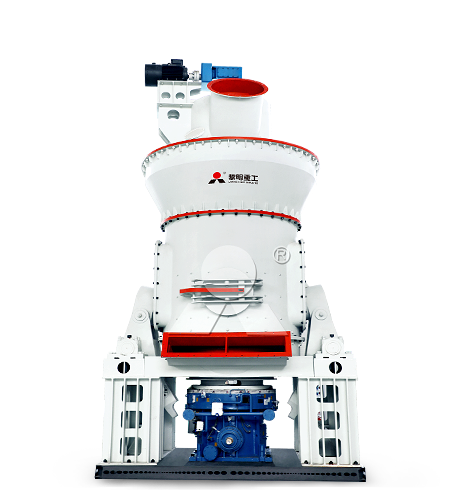
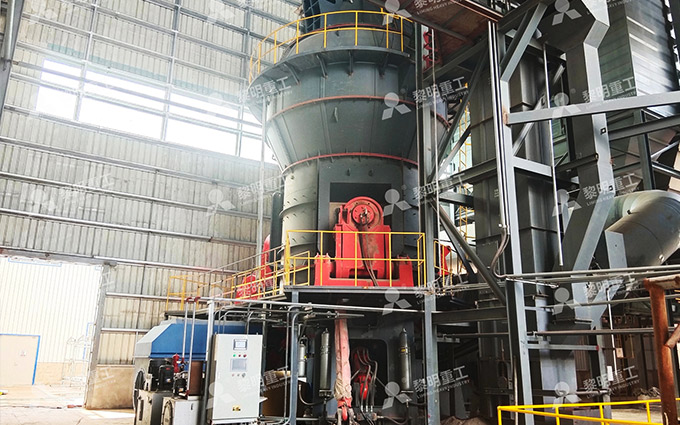
The Liming Heavy Industry LM Vertical Roller Mill integrates drying, grinding, classification, and conveying. Hot air contacts the material during processing, helping remove moisture while carrying powder toward the classifier. This makes integrated drying an option for suitable mineral-powder projects.
Its suitability depends on more than an advertised maximum moisture figure. The selected system must handle the required water-removal duty at the intended output while maintaining the powder specification.
Consider Separate Preparation When Required
If the incoming material cannot be fed reliably, or if its moisture-removal requirement exceeds the proposed grinding system’s capability, separate preparation may be necessary. The appropriate arrangement should follow material testing and a project-specific process assessment.
Do not assume that every wet mineral requires a separate dryer, or that an integrated mill can accommodate every wet feed. Both decisions require a defined operating duty.
What a Drying Assessment Must Include
A percentage moisture value alone does not describe the size of the drying task. The assessment also needs the feed rate, target product moisture, material temperature, available heat, and gas-handling conditions.
| Required Information | Why It Matters |
|---|---|
| Incoming moisture range | Establishes normal and demanding operating conditions |
| Required finished-powder moisture | Defines the actual product target rather than only the mill’s feed tolerance |
| Production rate | Determines the amount of wet material the system must process |
| Mineral composition and feed condition | Helps assess stickiness, handling, and temperature-related constraints |
| Heat source and gas quality | Allows evaluation of heat availability and possible product contamination |
| Collection and exhaust arrangements | Ensures that moisture removal is considered across the complete system |
For white wall putty fillers, examine the proposed heat source carefully. If combustion gases contact the material directly, establish how the arrangement will protect product color and cleanliness. Available heat is useful only when it is compatible with the required powder quality.
Drying Is Not the Same as Calcination
Ordinary drying removes moisture to support processing and product handling. Calcination is a different thermal treatment intended to change the mineral. A drying system for limestone, dolomite, or hydrous kaolin should therefore not be specified as though more heat were always beneficial.
Define suitable operating temperatures for the material and equipment. Where preserving the supplied mineral grade is essential, verify that the proposed thermal conditions do not create an unintended product change.
Protect the Powder After Drying
A satisfactory moisture result at the collector does not establish that the powder will arrive in the same condition at the putty plant. Inspect storage, conveying, packaging, and transport for water ingress or moisture pickup.
Useful checks include:
Comparing samples at collection and after storage.
Inspecting silos and transfer equipment for condensation or deposits.
Checking that packaging preserves the agreed delivery condition.
Separating production-related moisture problems from damage during transport.
If powder becomes damp after storage, increasing mill heat may not address the actual cause. Locate where the condition changes before modifying the drying process.
Verify Drying at the Required Output
During commissioning, assess feed stability, throughput, finished moisture, particle-size distribution, and residue together. A low-moisture sample produced at reduced output is not sufficient evidence that the line can meet its full production duty.
Include representative operating conditions and document the sampling procedure. Where seasonal variation is significant, agree on how performance will be checked across the specified moisture range.
For a wall putty mineral project, provide Liming Heavy Industry with representative feed samples, seasonal moisture data, target powder moisture, fineness requirements, and hourly output. These inputs allow the grinding and drying arrangement to be evaluated around the actual material and delivery specification, rather than an assumed need for additional heat.